

Tag: IFAD

IMG_2279
News & EventsStories

Bogura’s Tk273cr organic fertiliser production sows seed of ‘agro revolution’

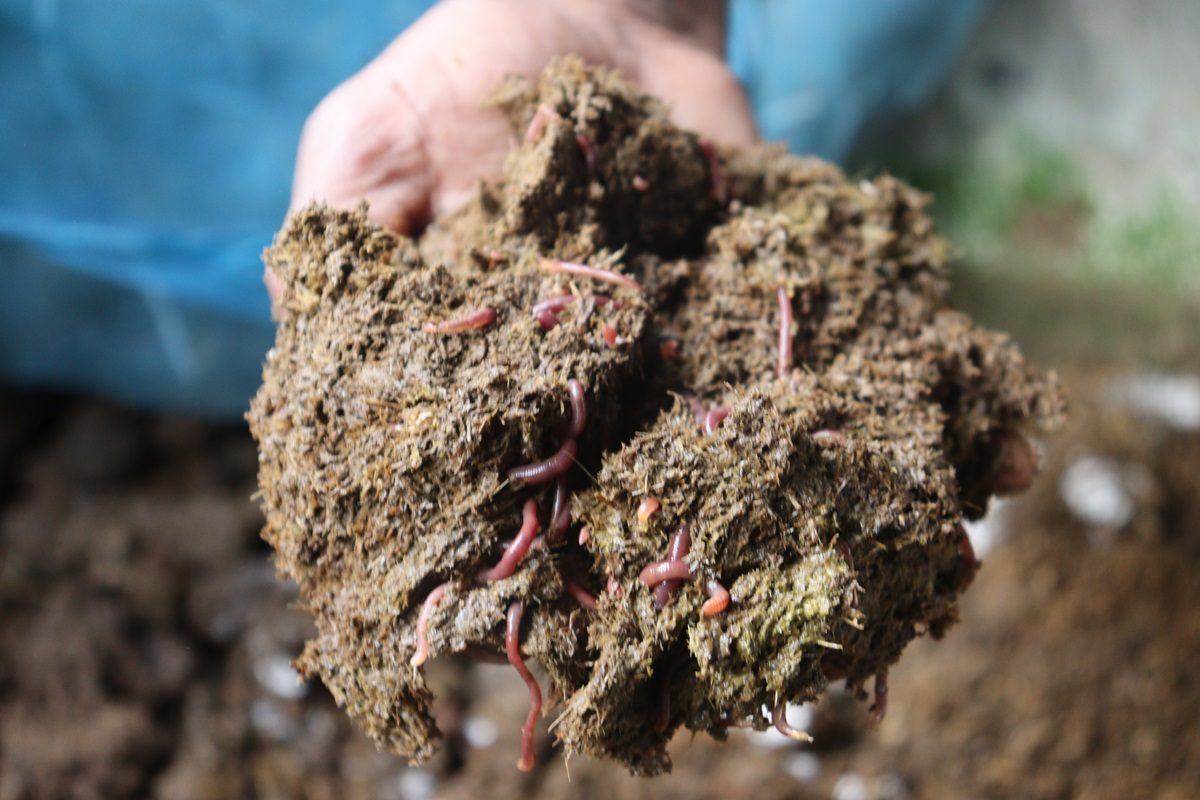
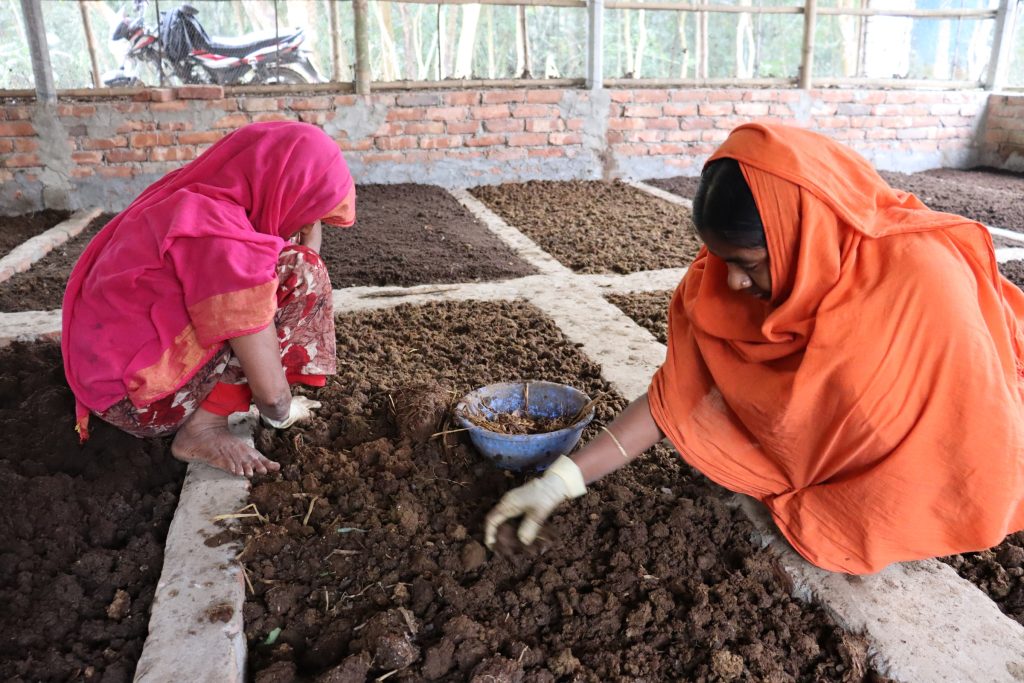
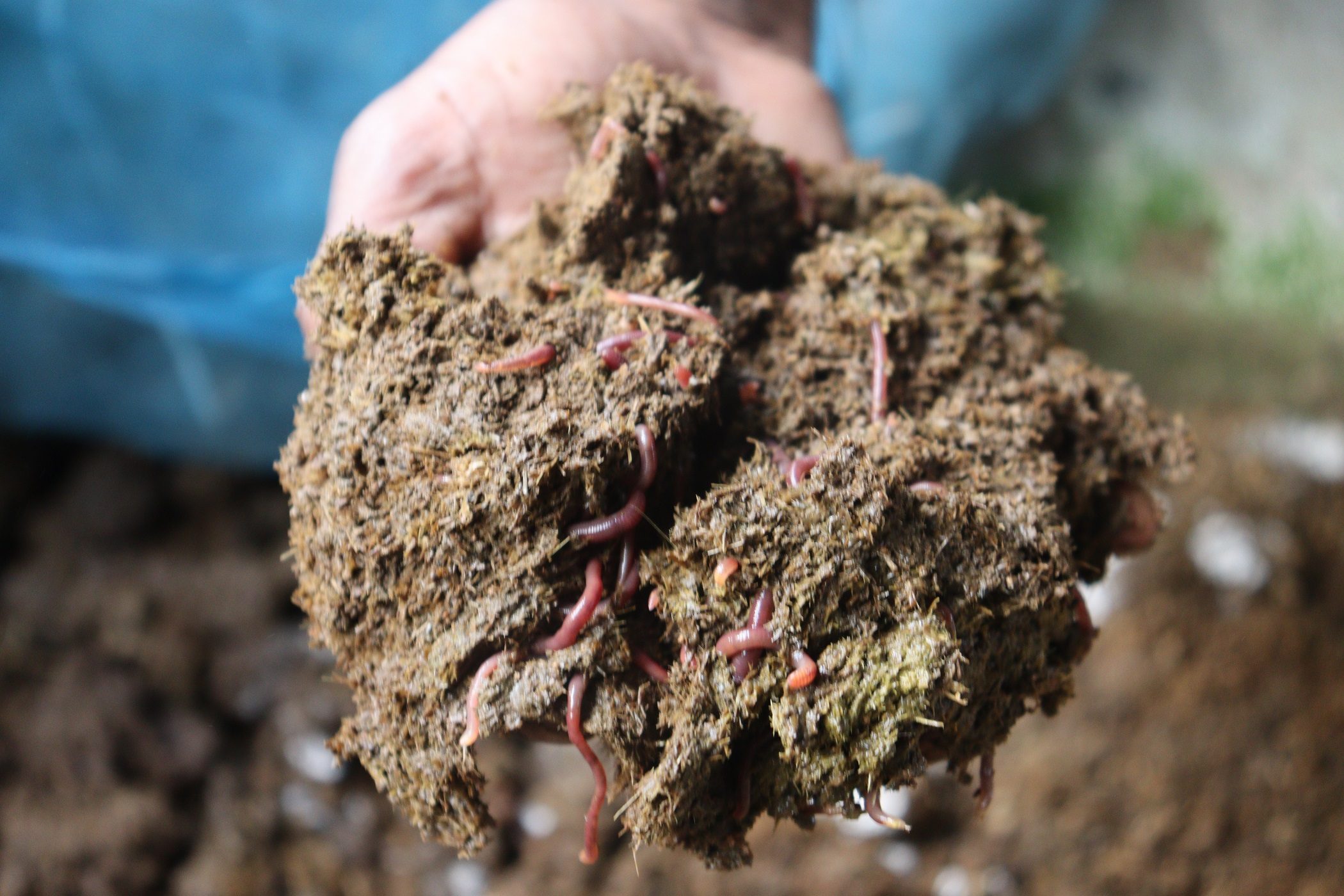
Suraiya Farhana Reshma considers herself part of an “agricultural revolution” sweeping through Bogura, which aims to replace chemical fertilisers with organic alternatives. She now earns Tk2.5 lakh per month producing organic fertilisers on her farm, using earthworms and dung. The venture, which employs 15 people, has transformed her economic situation and turned her into an advocate for environmental preservation.
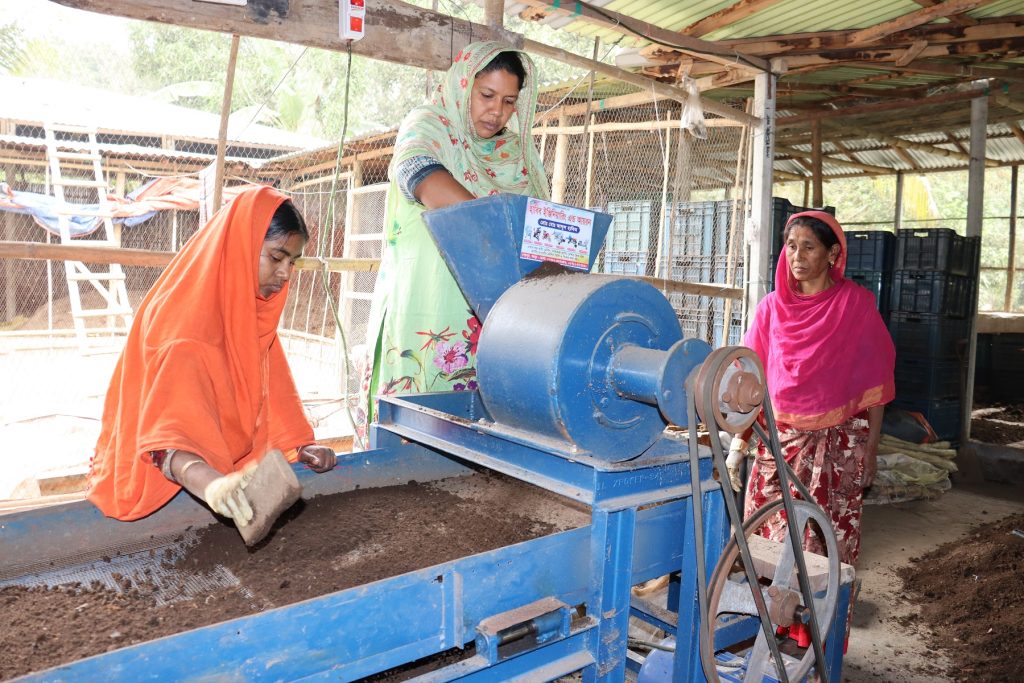
Her vision and hard work have also earned her several national awards. Starting from a modest background, her net wealth now exceeds Tk2 crore. Promoting the slogan of preserving ecological balance, she has already trained around 700 people to produce organic fertilisers in the district.

“Hundreds of unemployed men and women are turning to organic fertiliser production. Public-private initiatives and assistance have also increased. We plan to create large-scale pesticide-free agricultural areas in the future,” Reshma told TBS.

According to the Department of Agricultural Extension, Bogura, at least 1.83 lakh tonnes of organic fertilisers worth over Tk273 crore are produced in the district annually. The price of one kg of organic fertiliser is around Tk15.

Big companies, including ACI, purchase organic fertilisers from producers in Bogura and sell them under their own brands and packaging. 

NGOs training entrepreneurs

Organic fertiliser entrepreneurs in Bogura and nearby districts also receive training from private organisations, such as Gram Unnayan Karma (GUK) under Rural Microenterprise Transformation Project (RMTP).

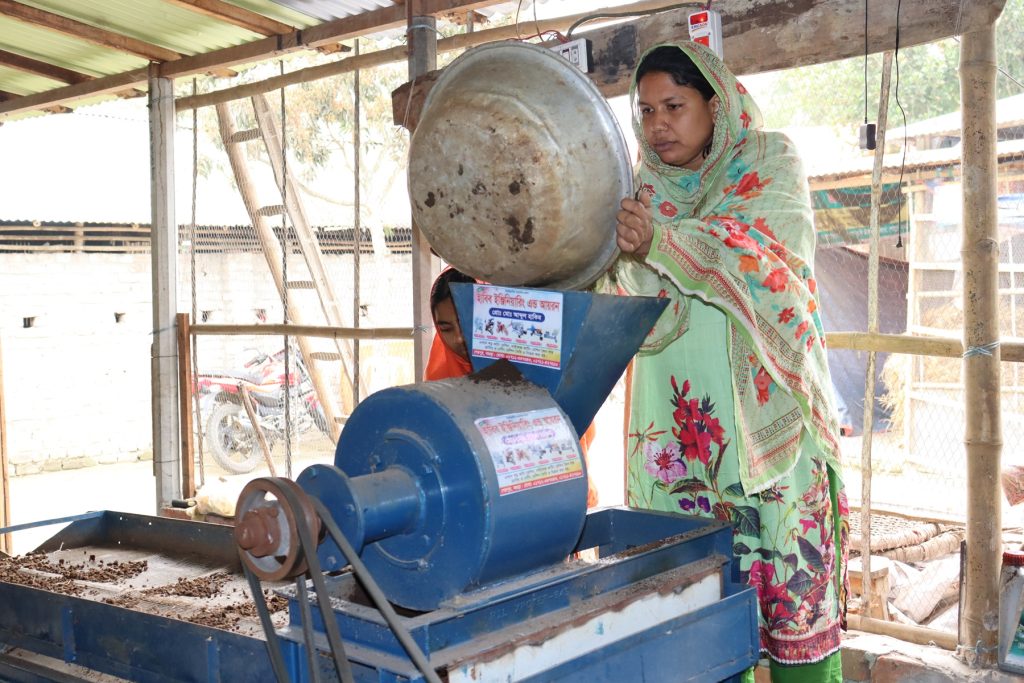
This NGO has trained 30 entrepreneurs in producing organic fertilisers commercially. They produce and market at least 1,551 tonnes of compost every month. According to sources, they sell organic fertilisers worth Tk11.6 crore annually, collecting dung from 7,000 local farmers.

The project is funded by the International Fund for Agricultural Development (IFAD), Palli Karma-Sahayak Foundation (PKSF), and Danish International Development Agency. About 22,670 farmers use the fertilisers produced through the project in Bogura alone.

Dr Md Mahbub Alam, senior director of Gram Unnyan Karma, told TBS, “Due to the use of chemical fertilisers and pesticides, crops or milk and meat are full of poisons. They have long-term adverse effects on our health. For this reason, along with government institutions, we are working with the farmers to produce safe vegetables, fish and meat.”

One of the farmers involved in the project, Zainab Khatun from Sherpur upazila, has cultivated vegetables on one bigha of land using organic fertilisers. She said, “Organic fertilisers are our only way to produce poison-free vegetables. People now want to live in a healthy way.”

Rashedul Islam from the Shialkol area of Sirajganj began producing organic fertilisers after being trained at several government and private organisations. His farm produces at least 50 tonnes of organic fertilisers per month. He plans to increase production to between 150 and 200 tonnes per month next year.

Rashedul Islam further mentioned that entrepreneurs sell their manufactured fertilisers through their own Facebook pages, through big traders, and directly to farmers.
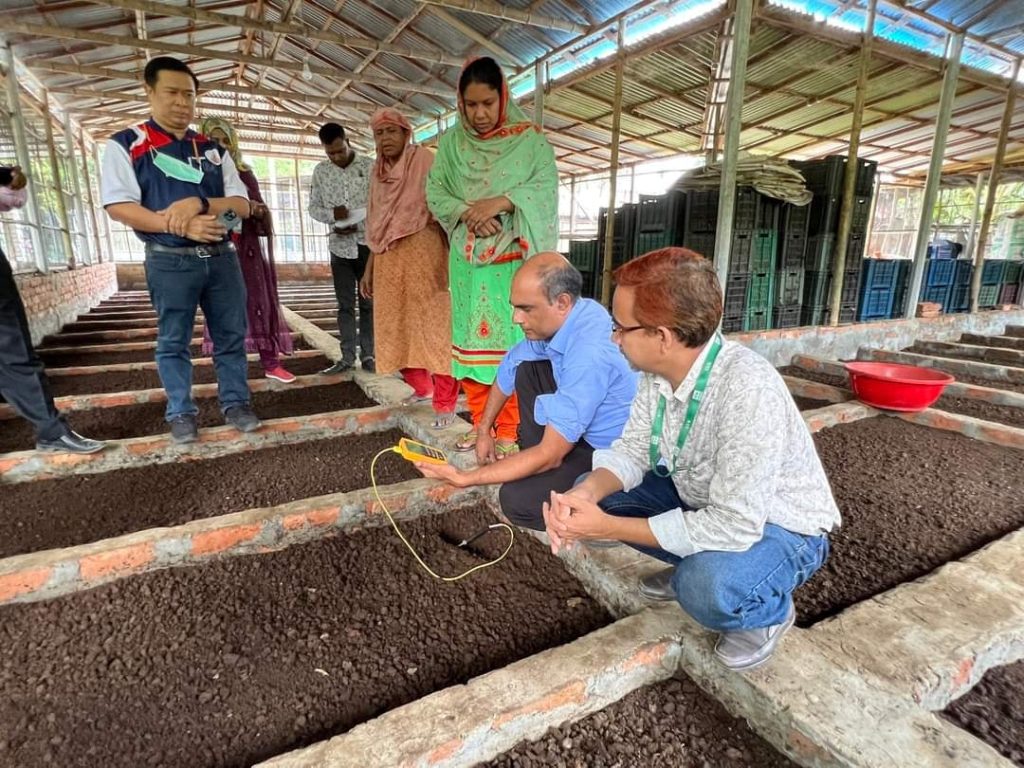
Entrepreneurs say the Palli Karma-Sahayak Foundation (PKSF) is helping them with training, cash assistance, and setting up machines and compost plants.

Officials at PKSF say that 352 commercial organic fertilisers production factories will be established in the country, with 174 already being in production. These factories are collectively selling about 5,000 tonnes of fertilisers per month and have created employment for hundreds of people.

Dr Nomita Halder, managing director of PKSF, said, “We are working to improve the quality of life by supporting those involved in safe food production. Various materials and technologies are being made available to entrepreneurs for this purpose.”

Farmers preferring organic fertilisers

Farmers in the area are increasingly adopting organic fertilisers because they are cost-effective and provide better yields.

Afzal Hossain, a farmer from Shajahanpur upazila, has been using organic fertilisers for a long time. He said, “Vegetable plants are more vibrant and strong with this fertiliser. The soil condition also remains good. Organic fertilisers cost half as much as chemical fertilisers. The yield is also higher.”

Shubhagat Bagchi, deputy director of Bogura Rural Development Academy, stated that yields increase by 25% to 30% with organic fertilisers compared to chemical ones.

He was involved in research on the impact of organic fertilisers in Bogura, Naogaon, Gaibandha, Jaipurhat, and Sirajganj a few years ago.
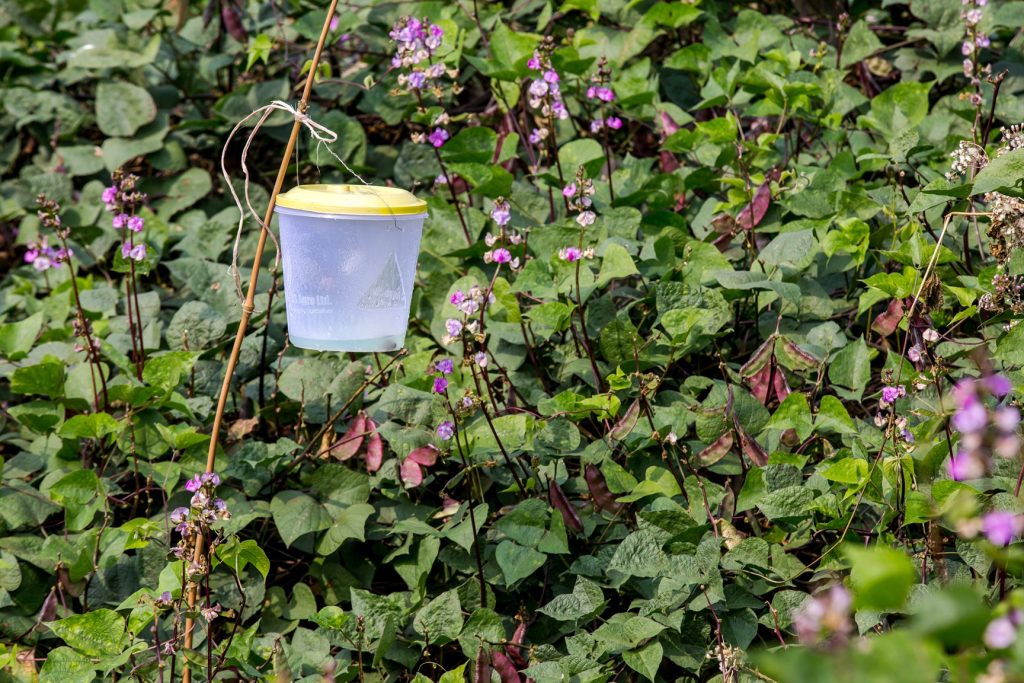
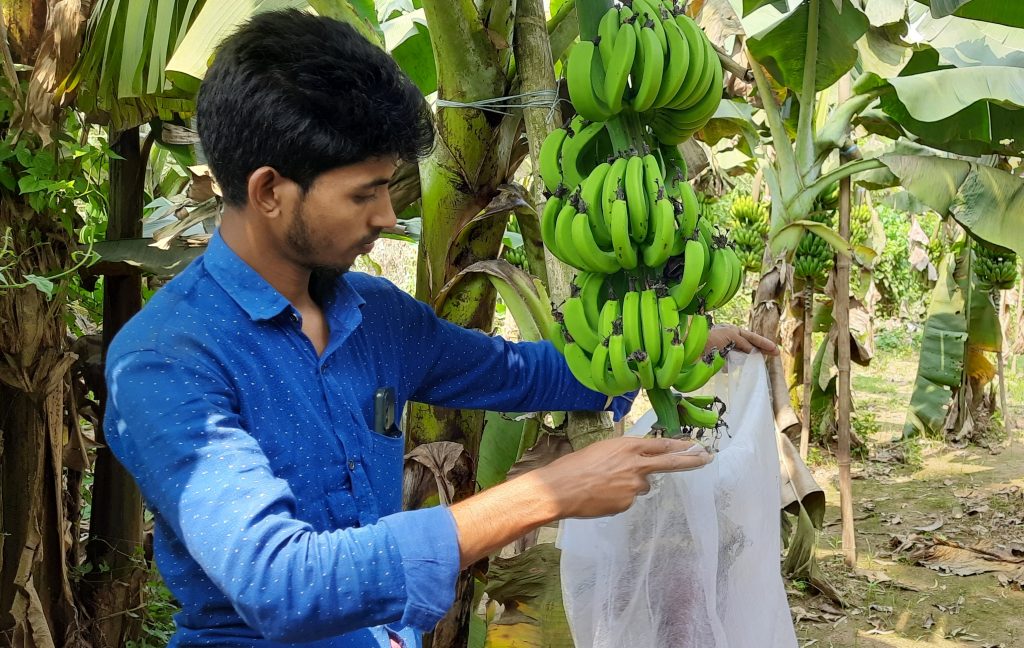
“Organic fertilisers are very beneficial for the soil. Our research also shows that once farmers use organic fertilisers, they no longer rely on chemical fertilisers. The trend of using organic fertilisers has increased among farmers,” he said.

Agricultural scientists highlight several benefits of using organic fertilisers, including improved air movement in the soil, better water retention, maintaining the right temperature, and enhanced soil structure.

Dr Rahedul Islam Rahi, associate professor in the Department of Geography and Environment at Pabna University of Science and Technology, said that producing organic fertilisers from cow dung reduces methane production. “Its use improves soil quality, reduces farmers’ production costs, and creates a means of obtaining safe food,” he explained. 
https://www.tbsnews.net/bangladesh/boguras-tk273cr-organic-fertiliser-production-sows-seed-agro-revolution-878726


01
News & Events

Pearl Harvesting in Pabna

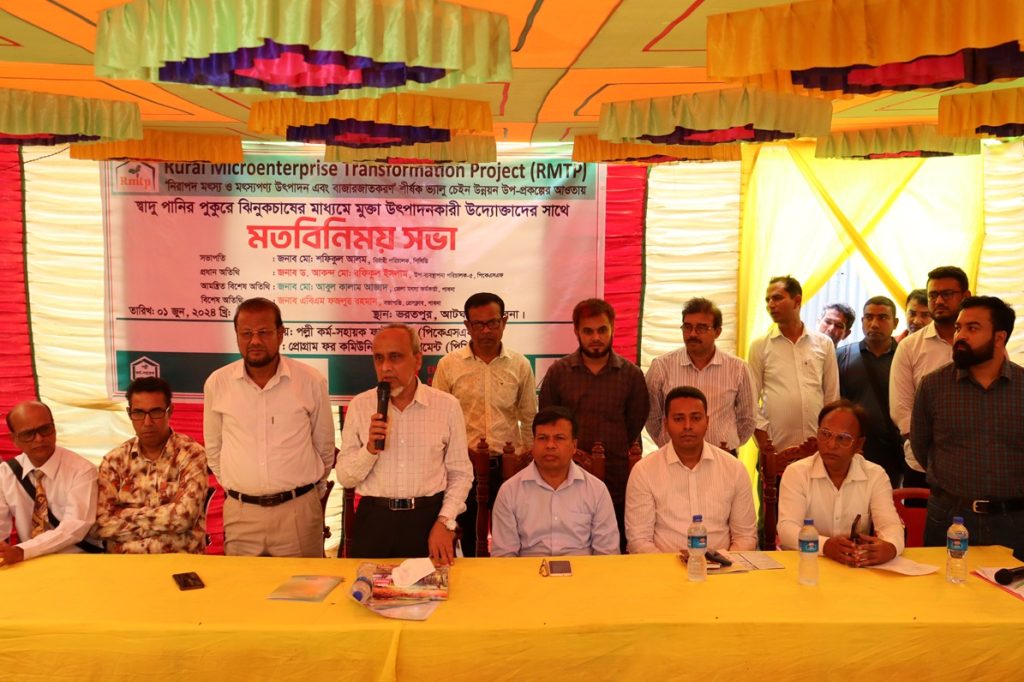
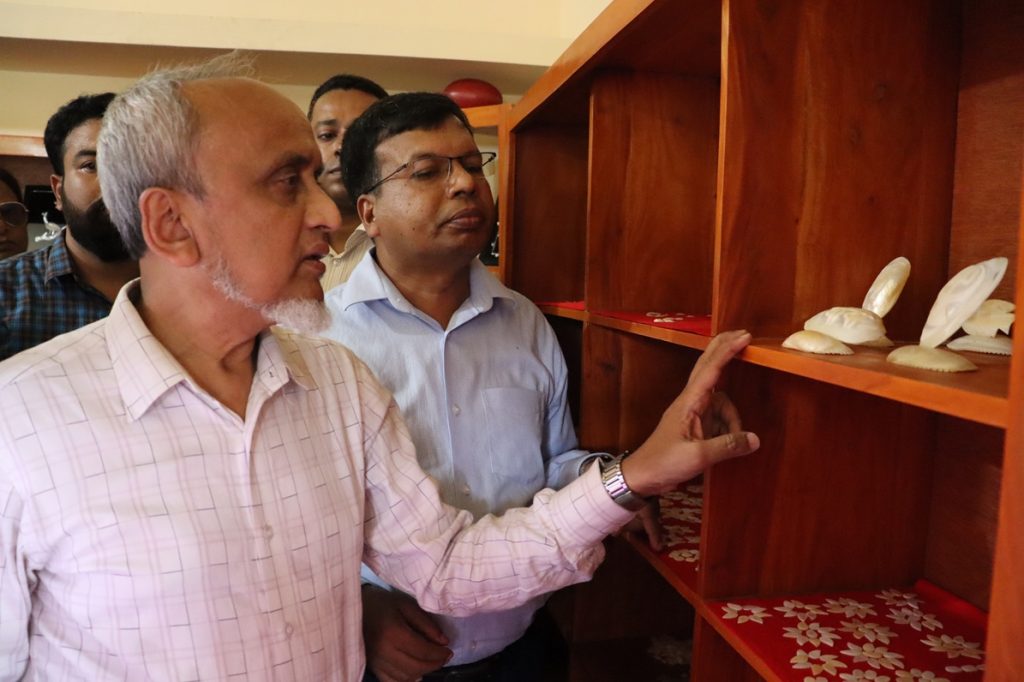
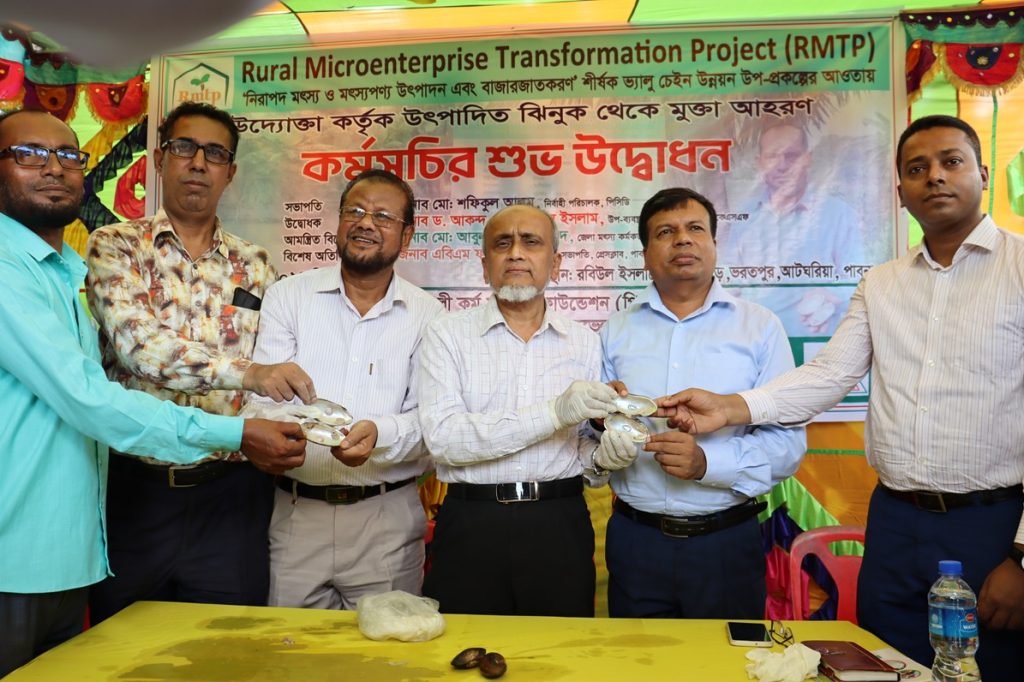
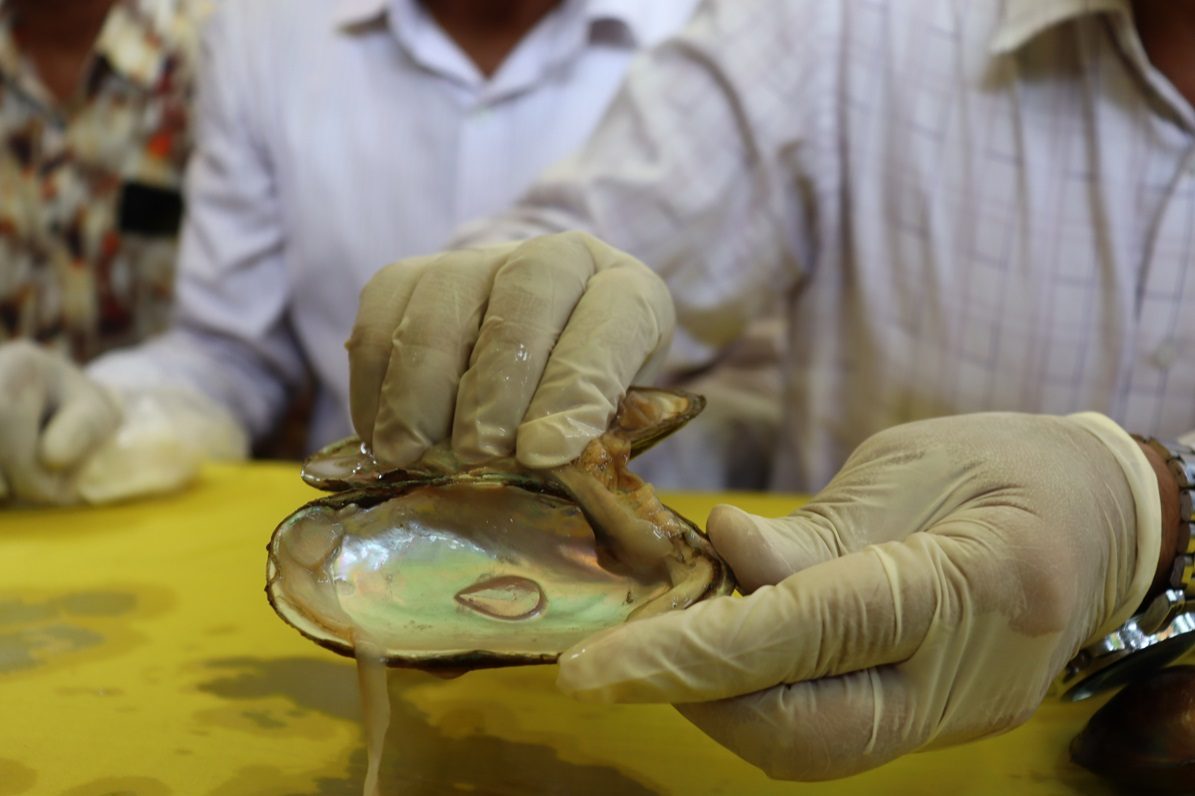
“Pearl cultivation offers significantly higher profitability compared to traditional fish farming. In ponds of the same size, the profit margin from pearl farming is three times that of fish cultivation,” remarked Dr. Akond Md. Rafiqul Islam, Deputy Managing Director of PKSF, during a pearl harvesting ceremony in Pabna.

He made these remarks while attending the pearl harvesting ceremony took place on June 1, 2024, in Pabna, featuring pearls harvested from locally cultivated oysters. The event was attended by Md Abul Kalam Azad, District Fisheries Officer; and Md Shafiqul Alam, Executive Director of the Programme for Community Development (PCD).

The project currently involves 33 farmers in the Pabna district, who have collectively cultivated pearls valued at an impressive BDT 8,250,000. RMTP, implemented by PCD, focuses on the marketing of safe fish and fish products, but the inclusion of pearl farming signifies a strategic expansion into high-value aquaculture.

https://www.youtube.com/watch?v=9AlnrZ9-TAk

_DSC6487
News & Events

IFAD Vice President praises RMTP interventions

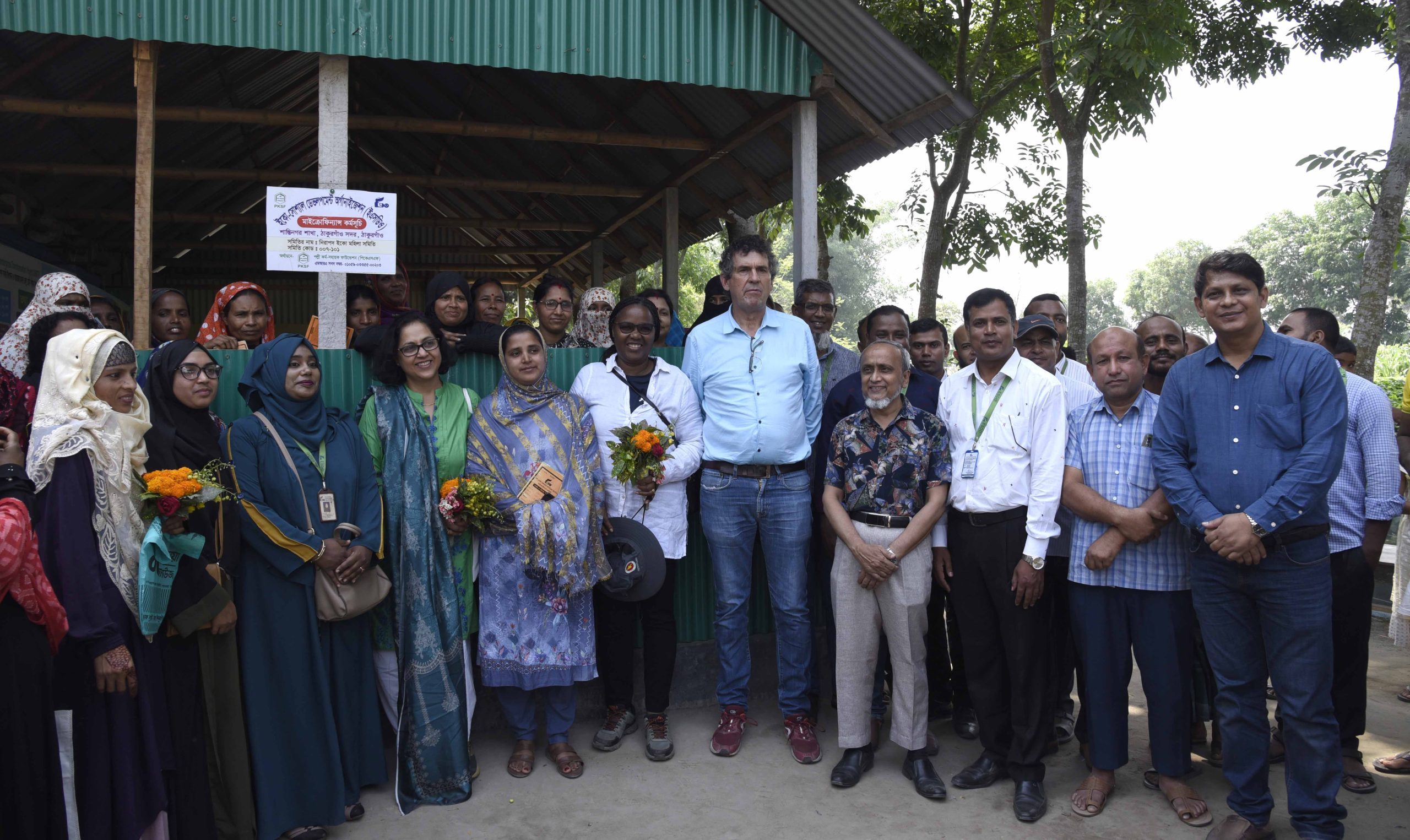
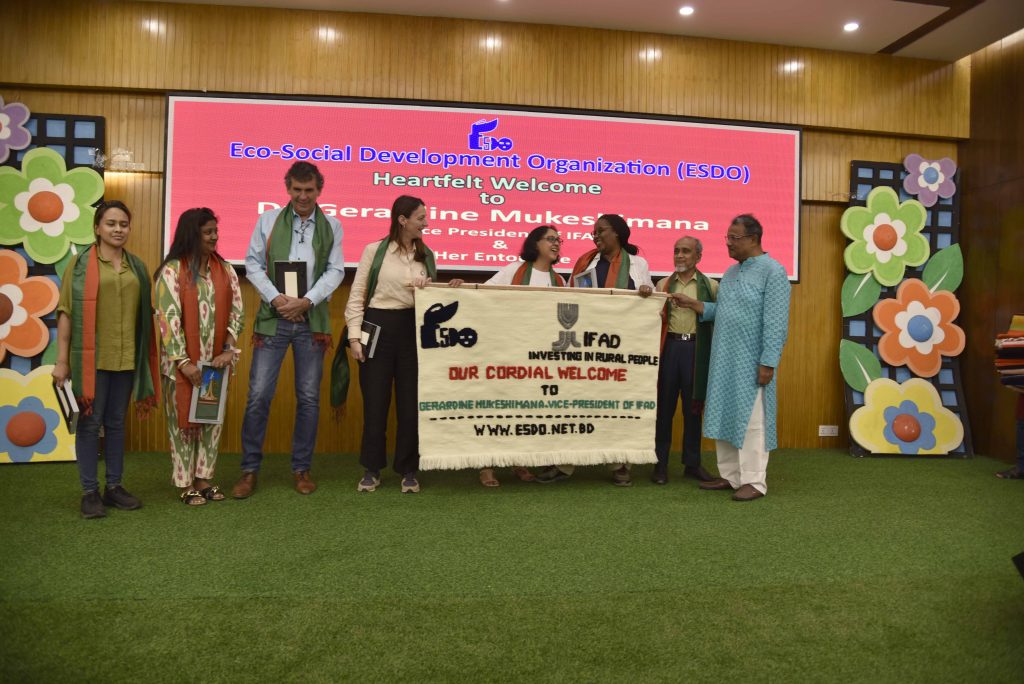
Gerardine Mukeshimana, Vice-President of the International Fund for Agricultural Development (IFAD), visited Thakurgaon in northern Bangladesh on 1 May 2024 to observe the interventions of the Rural Microenterprise Transformation Project (RMTP), implemented by PKSF. Its Partner Organization (PO) Eco-Social Development Organization (ESDO) carries out the field-level activities of the project in Thakurgaon.

She was accompanied by PKSF’s Deputy Managing Director Dr Akond Md Rafiqul Islam, IFAD’s Regional Director for Asia-Pacific Reehana Rifat Raza, IFAD’s Country Director for Bangladesh Arnoud Hameleers, Stephanie Micallef who works as Senior Adviser to IFAD’s Vice-President, and officials from IFAD Bangladesh’s country office and PKSF.

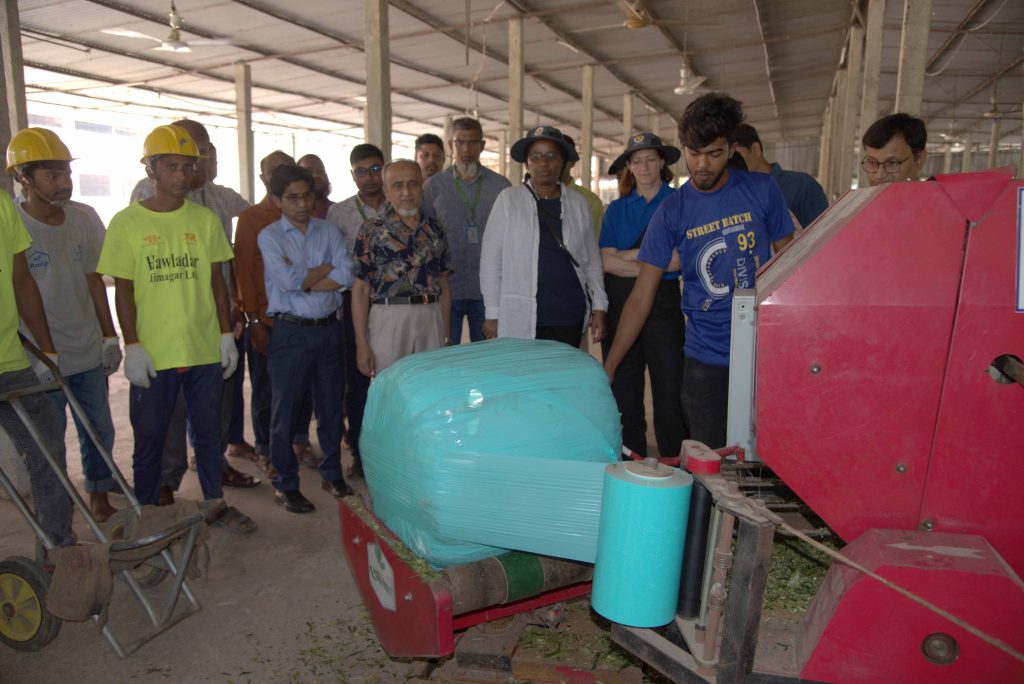
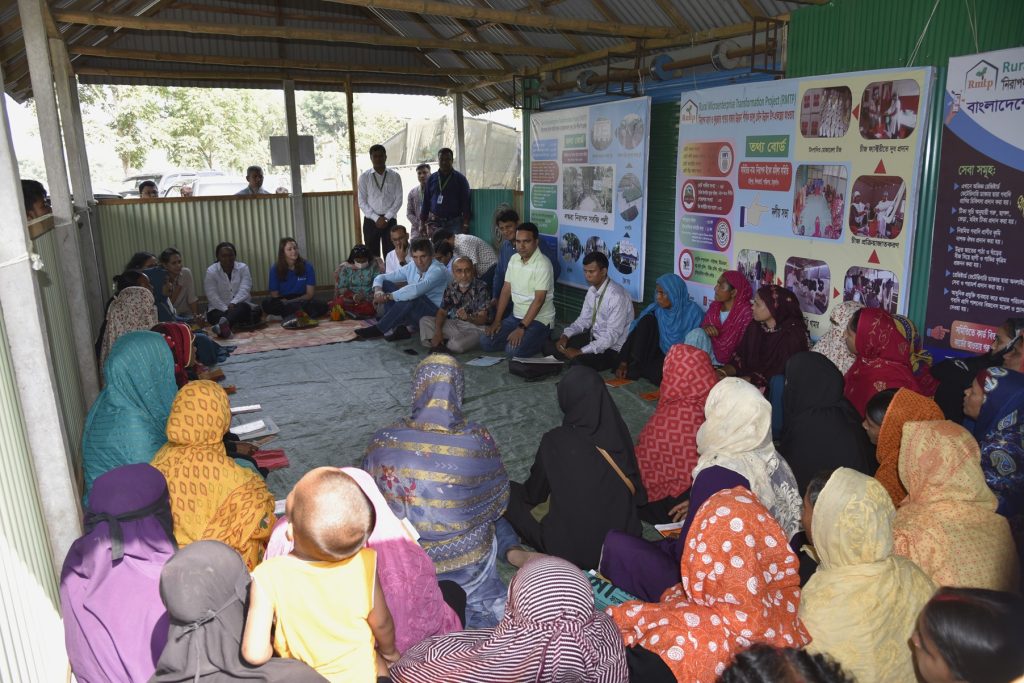
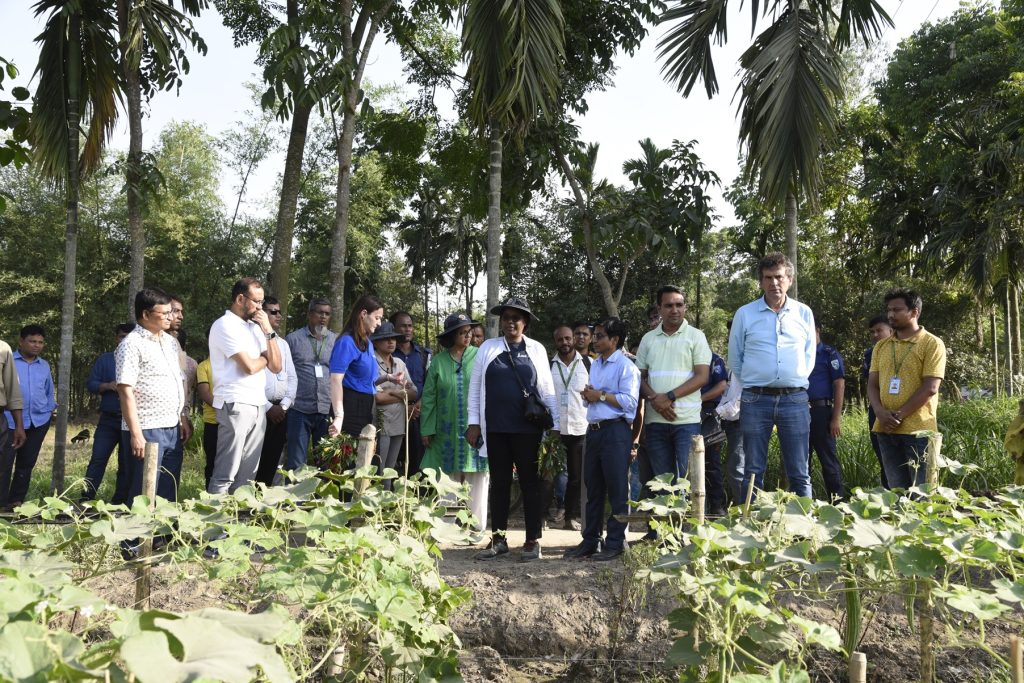
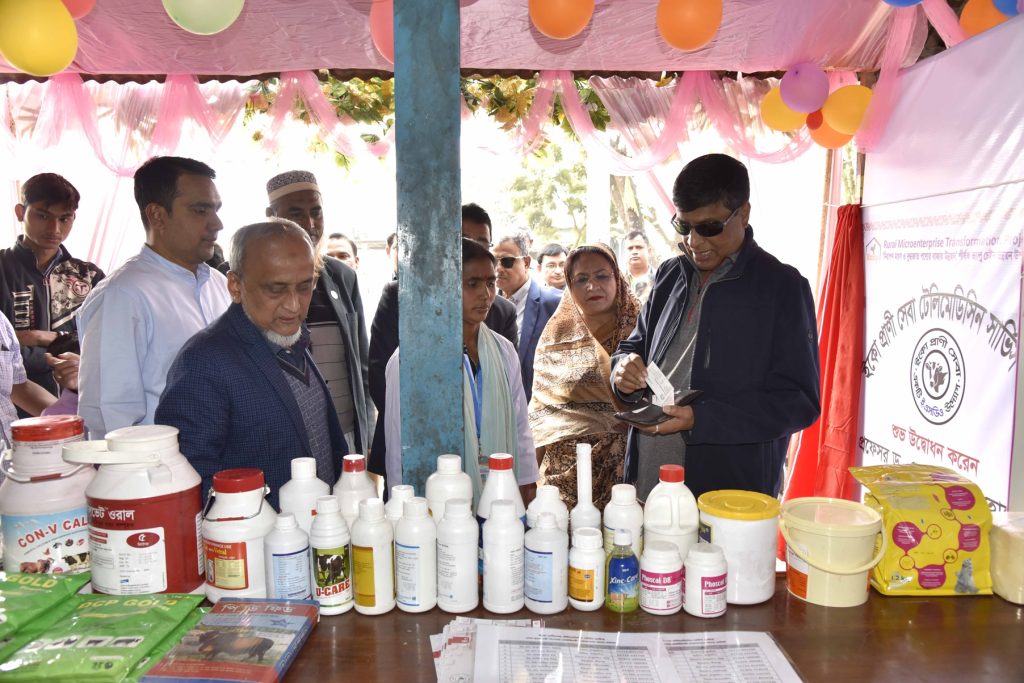
During the visit, Mukeshimana explored various initiatives under RMTP, including eco-friendly safe vegetable cultivation, meat and dairy activities, telemedicine services for livestock, silage production and marketing, microenterprise borrower group, seedling nurseries, and vegetable collection center operations. She also talked to the beneficiaries including small-scale farmers, producers, and agribusinesses owners.

“I have seen how IFAD, the Government of Bangladesh and PKSF have worked together to empower small-scale farmers – especially women and youth – to adapt to climate change, increase their incomes, and produce more nutritious food for their communities,” said Gerardine Mukeshimana.

Reflecting on the collaborative efforts between IFAD and Bangladesh, IFAD’s Regional Director for Asia-Pacific Reehana Rifat Raza highlighted the initiatives taken through RMTP to improve rural livelihoods. She underscored the crucial role played by IFAD, DANIDA, and PKSF in providing essential resources such as finance, inputs, training, and market linkages to communities served by RMTP, thereby fostering sustainable development and resilience in the rural areas of Bangladesh.

01 (1)
News & Events

Financial institutions division official conducts field visit

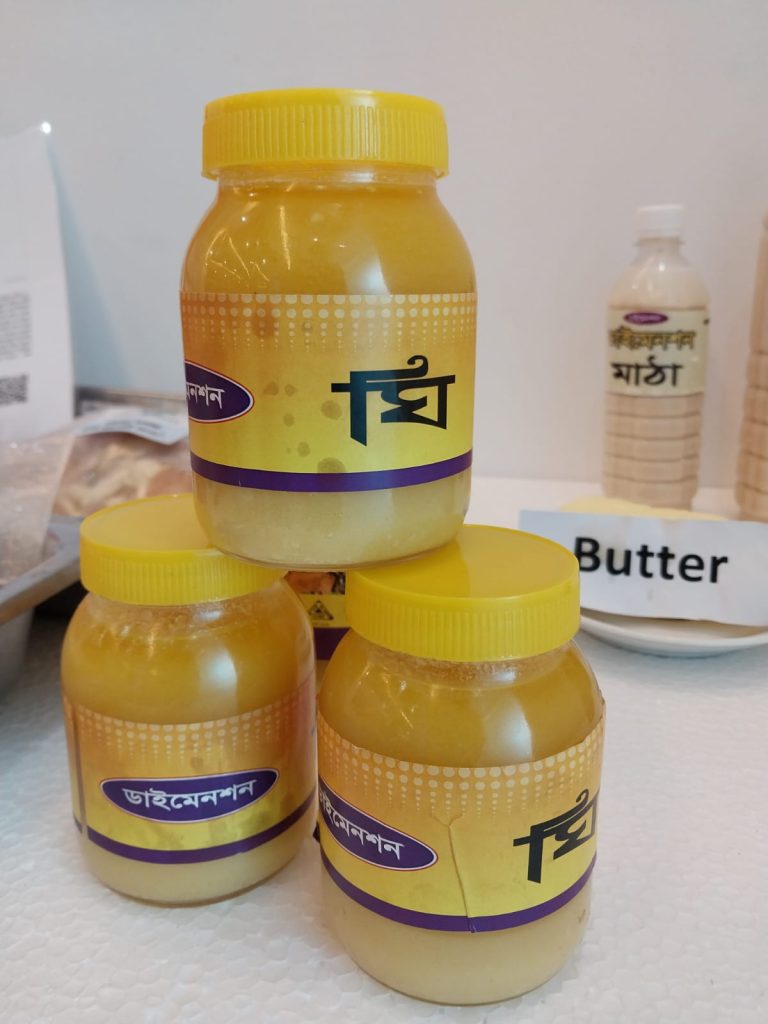
To oversee the progress of project implementation, Muhammad Amin Sharif, Senior Assistant Secretary of the Financial Institutions Division, Government of the People’s Republic of Bangladesh, visited Chittagong on April 14, 2023, to assess the Rural Microenterprise Transformation Project activities. These activities are being implemented by the partner organization YPSA. Mr Sharif expressed his satisfaction with the initiatives, particularly highlighting the commendable efforts in safe cattle rearing and the production of processed milk products such as ghee, curd, buttermilk, and sweets.

02 (4)
News & Events

3400 tonnes of vermicompost produced a month under RMTP

The Rural Microenterprise Transformation Project (RMTP) is currently helping entrepreneurs produce 3,400 tonnes of vermicompost throughout the country, valued at around BDT 34 million, every month. These initiatives not only help farmers contribute to the greater development of the country but also promote environmental conservation by producing and distributing biofertilizers.

01 (13)
News & Events

Vegetable Export to UK, UAE

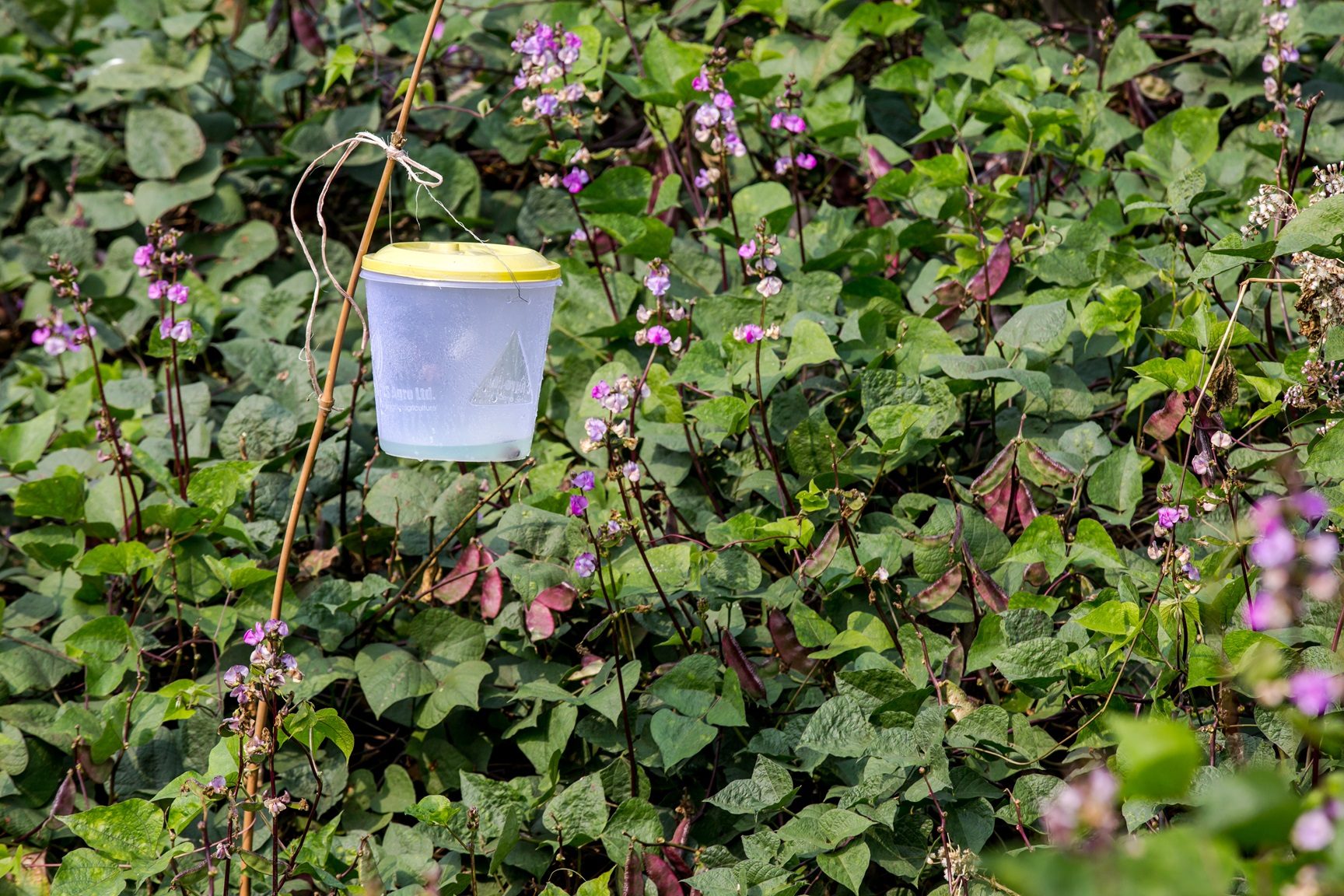
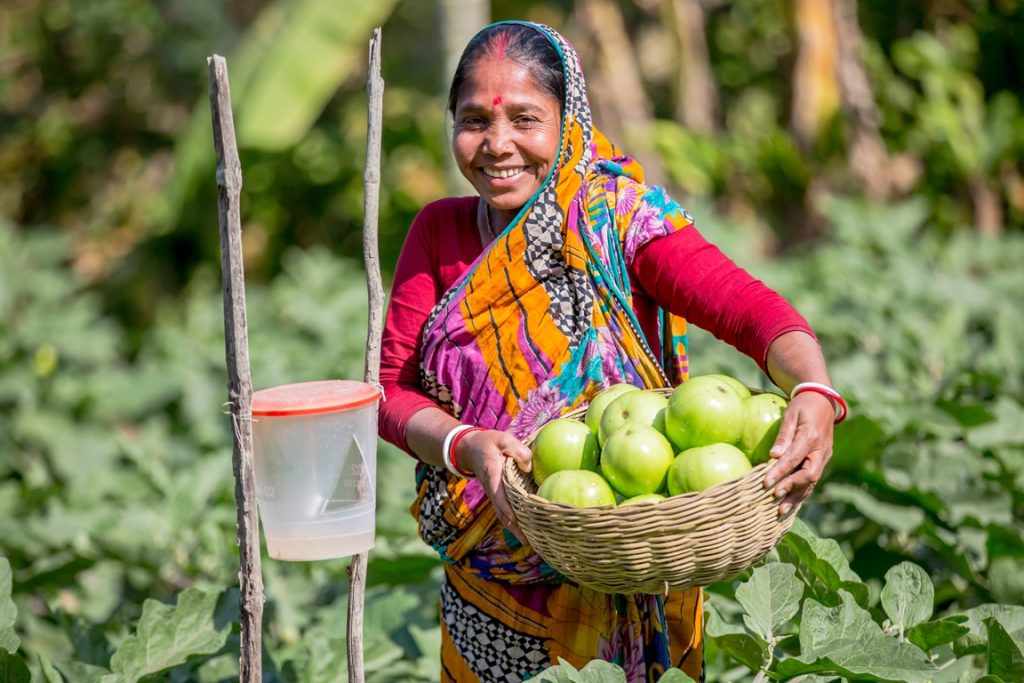
Five Rural Microenterprise Transformation Project (RMTP)-supported farmers are exporting safe vegetables to the United Kingdom and the United Arab Emirates. SDC, a PO of PKSF, are looking after them in the field. The farmers achieved a 25% price increase per kilogram in their export items including high-quality brinjals and beans. These vegetables are recognized for their adherence to safety standards, enhancing the farmers’ economic growth and establishing a positive reputation of Bangladesh in international markets.

01 (8)
News & Events

Farmers in hills get support for farming high-value fruits

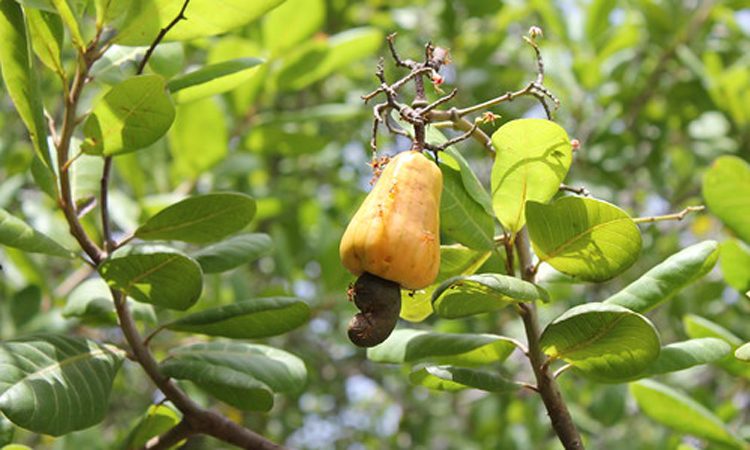
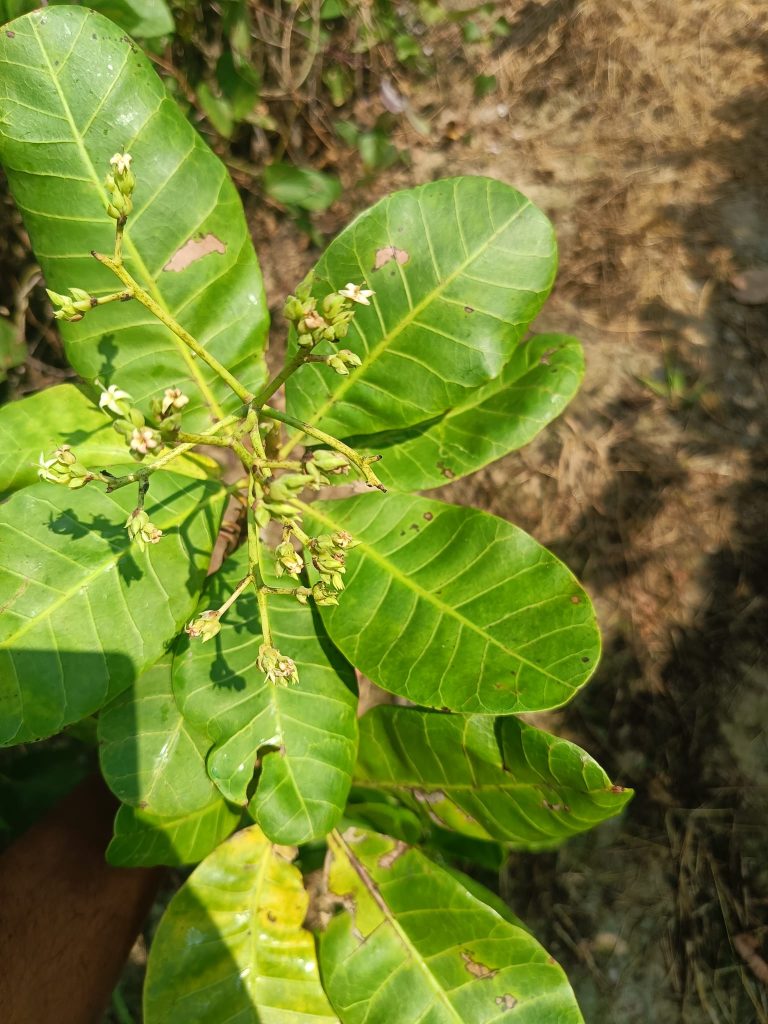
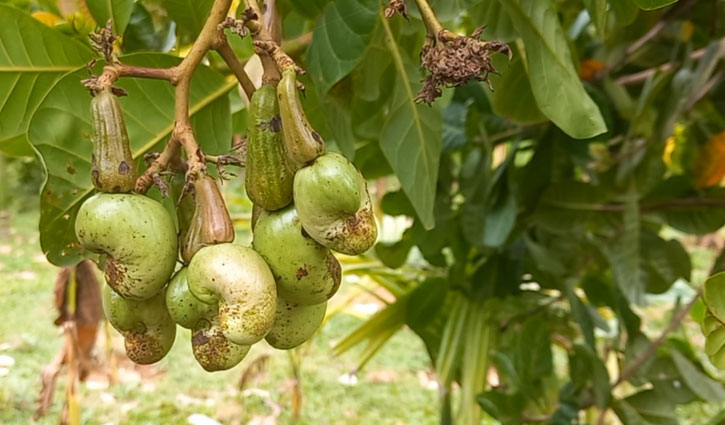
With the active assistance of the Rural Microenterprise Transformation Project, YPSA, a Partner Organization of Palli Karma-Sahayak Foundation (PKSF), works to support local farmers in Sitakunda and Mirsharai upazilas of the hill district of Chattogram to cultivate high-value fruits and crops in hilly soils under the RMTP.  As part of this initiative, 50 farmers have received 5,000 coffee seedlings and another 50 farmers have been provided with 1,200 cashew nut seedlings. These previously import-oriented crops are now fostering new aspirations among the local farming communities. The cashew nut trees are currently in bloom, raising hopes among farmers for a profitable yield.

IMG_0185
News & Events

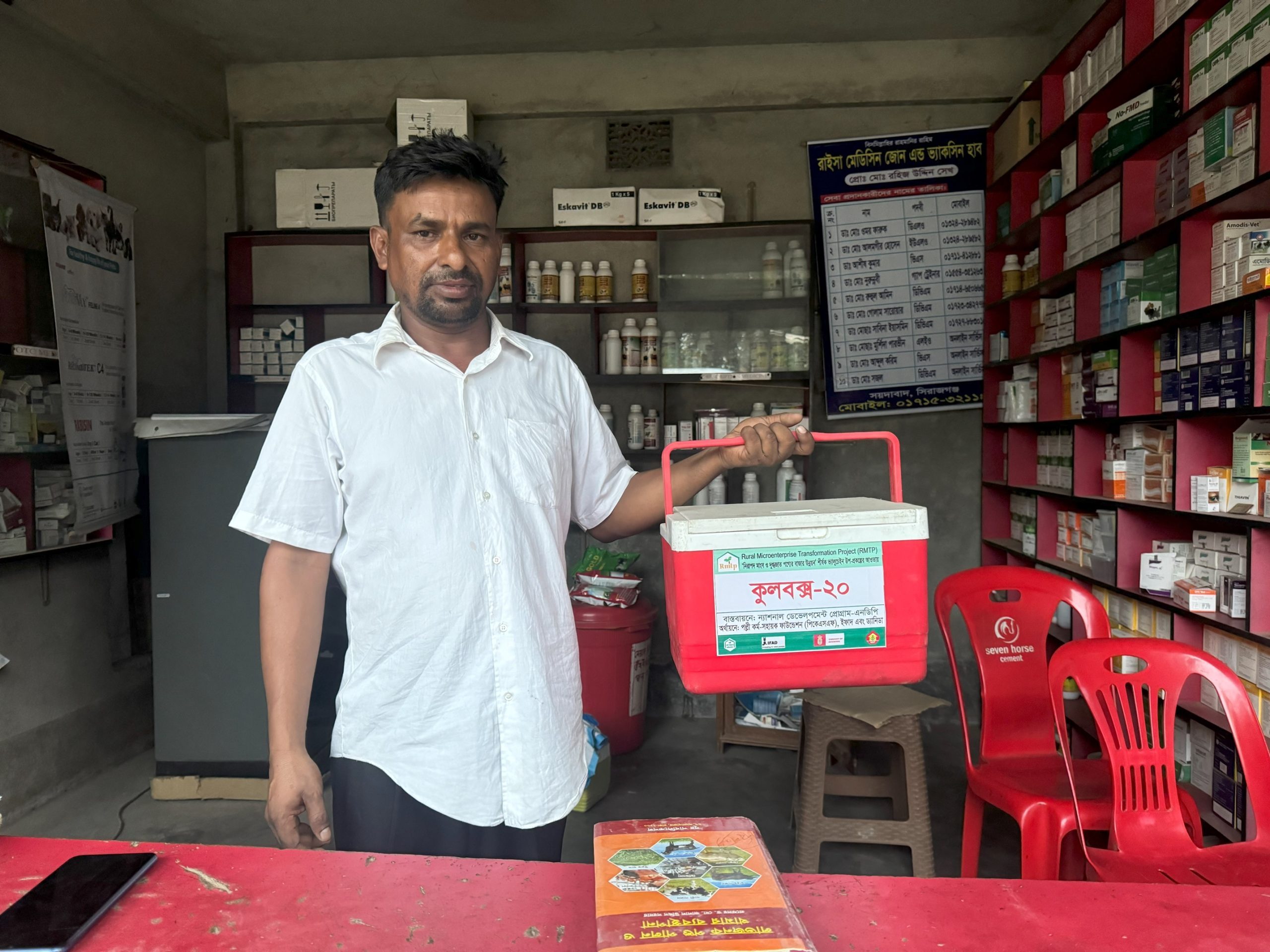
Establishing vaccine hubs in the grassroots

The livestock sector continues to face significant challenges, with high mortality and morbidity rates among cattle being particularly concerning. To address this issue, RMTP has established 175 vaccine hubs across 36 upazilas in 12 districts. This initiative aims to provide regular, high-quality vaccination services to approximately 650,000 livestock, including cows, buffaloes, goats, and sheep, benefiting 200,000 farmers annually. Furthermore, efforts to combat vaccine hesitancy include training around 2,000 skilled vaccinators and educating 200,000 farmers through comprehensive training programs.

03
News & Events

Diversified milk products to fulfil demands of consumers

Bangladesh’s dairy industry is meeting the growing demand for milk products by diversifying products. To meet an ever-increasing demand and reduce import dependency, RMTP has introduced various initiatives to produce a wide range of high-quality milk-based products. These include sweets, curd, ghee, cheese, butter, and buttermilk. These products are now easily accessible online and offline, offering better customer experiences. For details, please click on the link https://www.tbsnews.net/economy/industry/mozzarella-cheese-women-thakurgaon-who-work-wonders-805490

01
News & Events

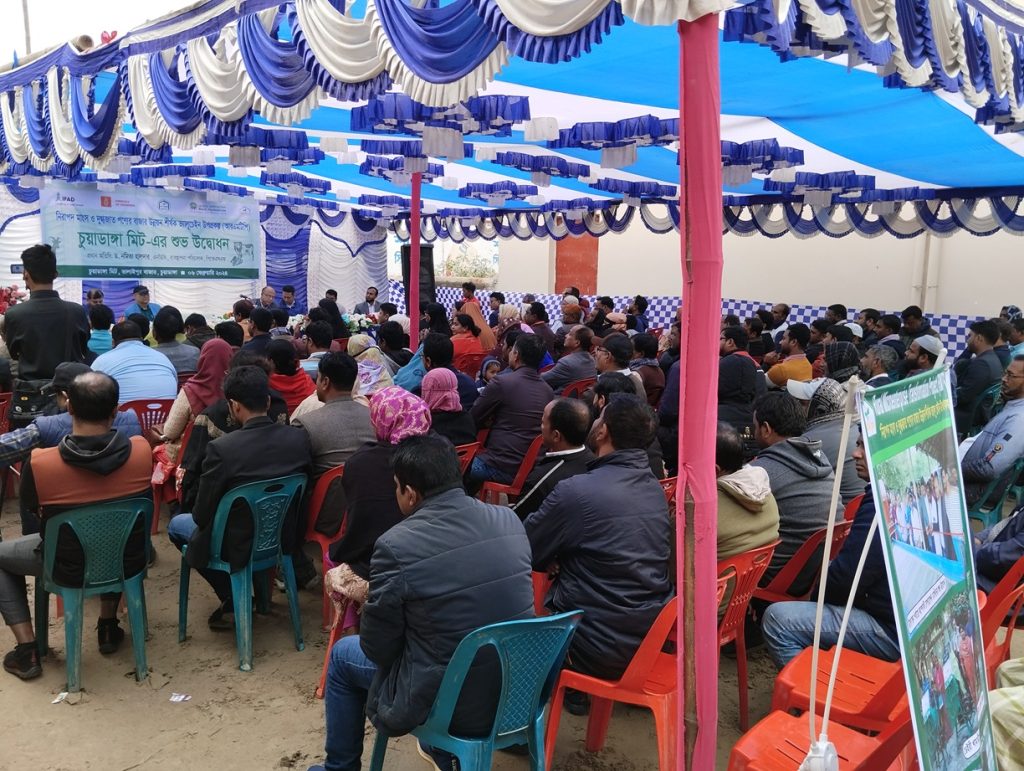
Managing Director of PKSF Inaugurates ‘Chuadanga Meat’ Enterprise of RMTP

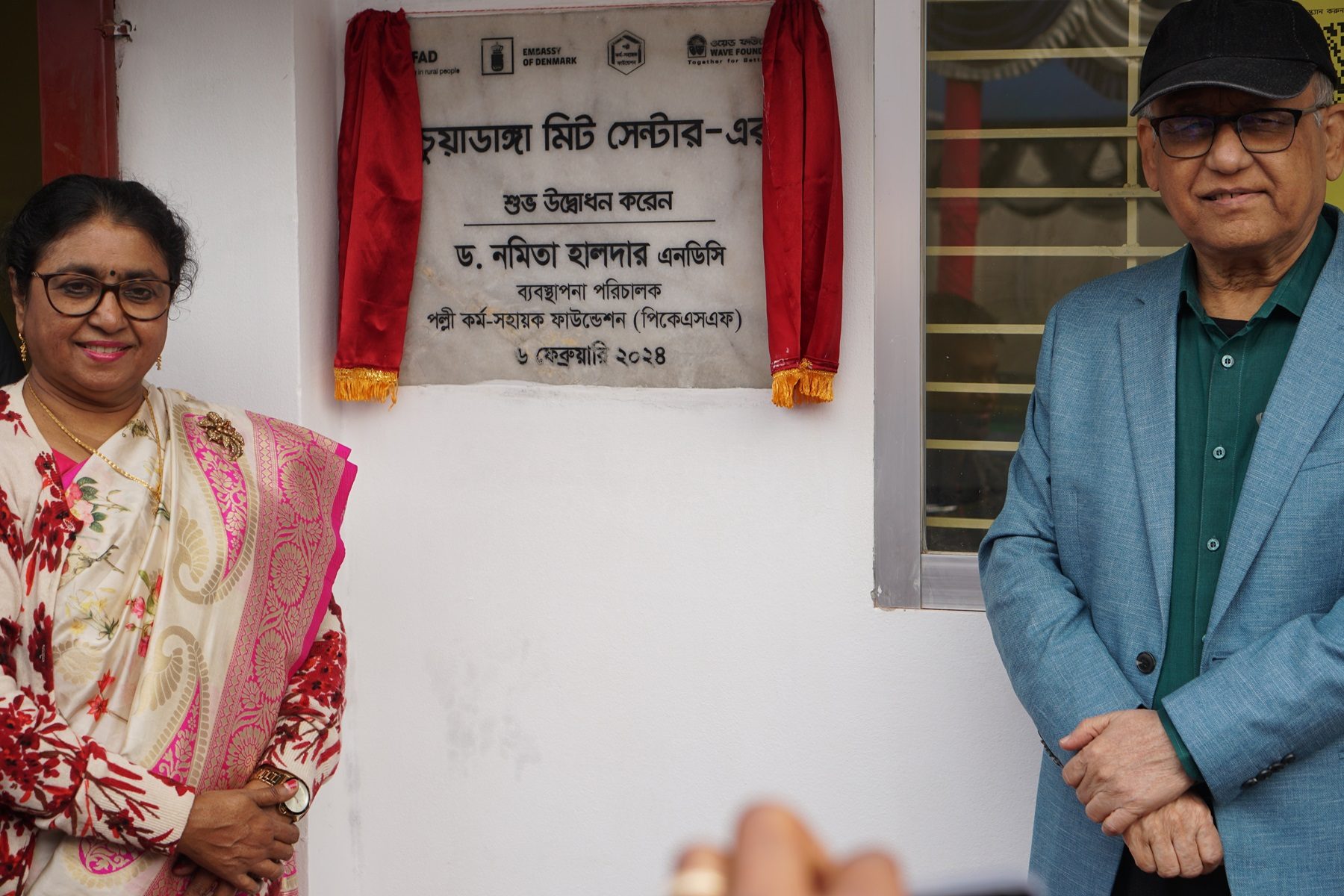
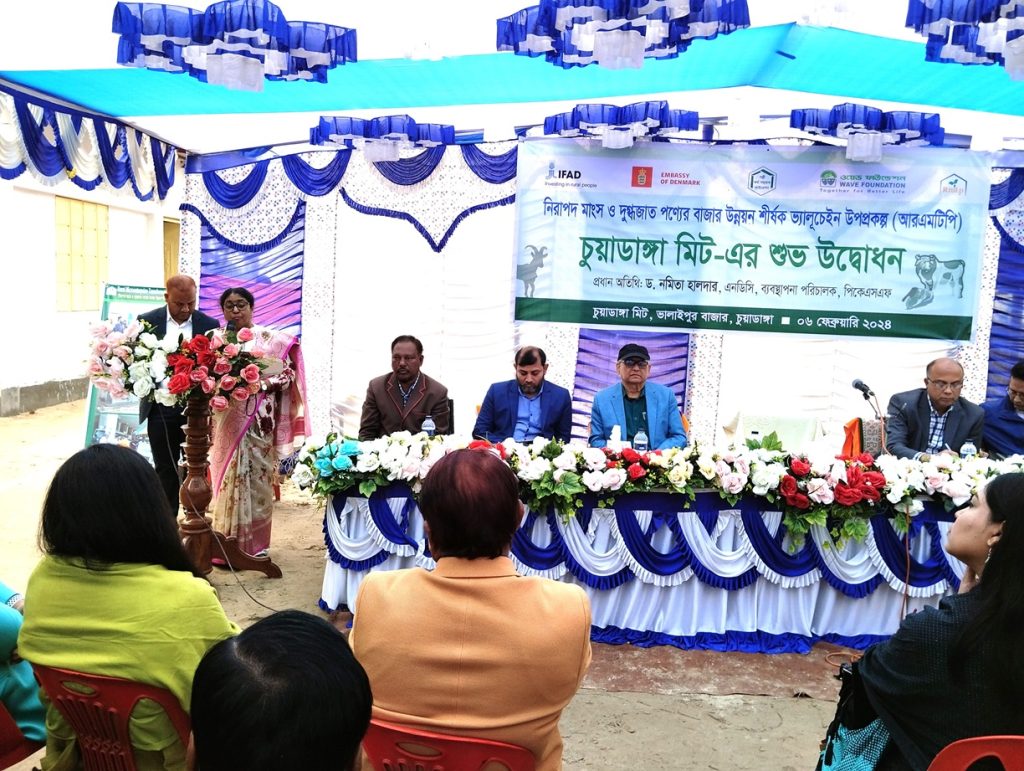
Dr Nomita Halder ndc, Managing Director of PKSF, inaugurated ‘Chuadanga Meat Center’ established by WAVE Foundation, a Partner Organization PKSF, in Alamdanga Upazila of Chuadanga district under RMTP on 6 February 2024. Dr Halder conveyed her sincere appreciation to all for initiating this innovative endeavour. The inaugural ceremony was also attended by Dr Mostafizur Rahman, Upazila Livestock Officer, and Mohsin Ali, Executive Director of Wave Foundation.

In acknowledgment of the entrepreneurial risk inherent in this initiative, Dr. Halder extended a warm welcome to Mr. Jillur Rahman. She expressed her optimistic anticipation for the widespread acceptance of ‘Chuadanga Meat’ among the general populace. The inaugural ceremony was also graced by the presence of Dr. Mostafizur Rahman, Upazila Livestock Officer, and Mr. Mohsin Ali, Executive Director of Wave Foundation. This significant event marks a pivotal milestone in the collaborative efforts aimed at fostering sustainable economic development and promoting the welfare of communities within the region.