

Tag: Agriculture

05 (3)
News & Events

Country’s first agro-ecophysiology lab launched to tackle climate challenges

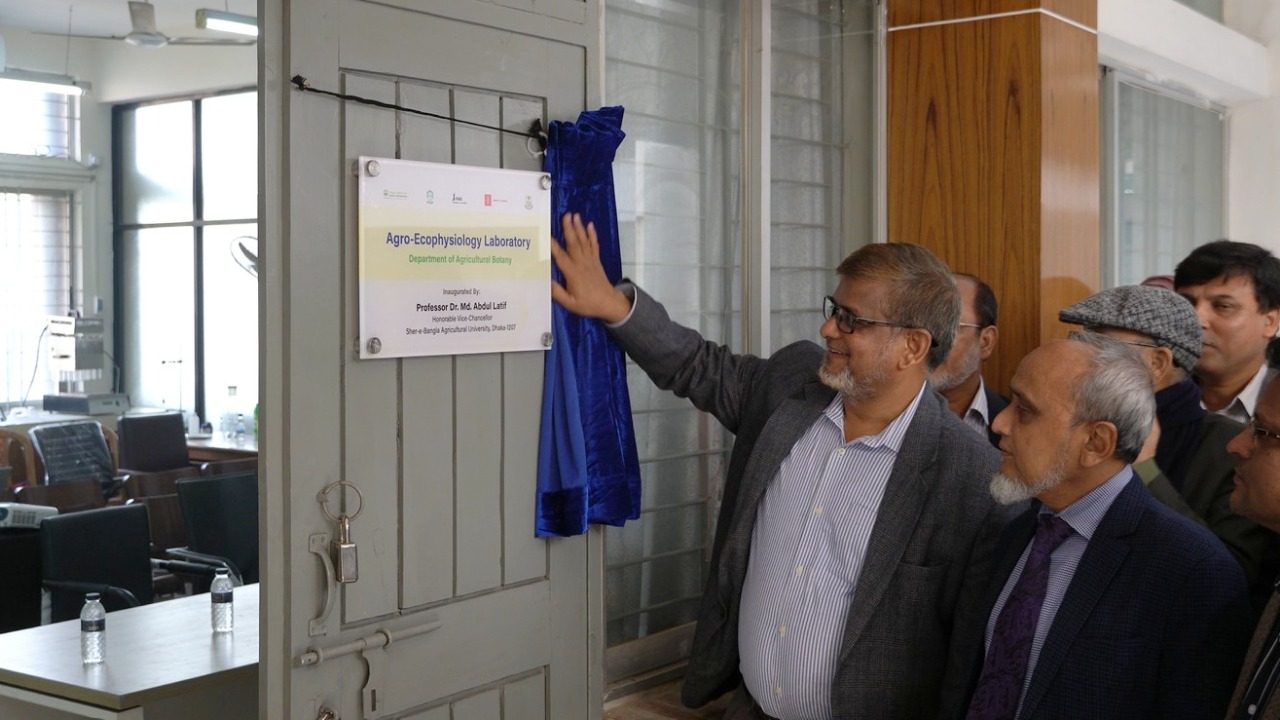
Bangladesh recorded an important advancement in agricultural research as Sher-e-Bangla Agricultural University (SAU) has recently set up the country’s first Agro-Ecophysiology laboratory on its campus. The laboratory, established with financial support from Palli Karma-Sahayak Foundation (PKSF), was inaugurated on 11 January 2026. The laboratory is expected to play a crucial role in promoting sustainable agriculture by enhancing soil health and supporting the production of safe and nutritious food amid climate change challenges. The laboratory was inaugurated at the Dr. Kazi Badruddoza Research Centre of SAU by the Vice-Chancellor, Professor Dr. Md. Abdul Latif. 
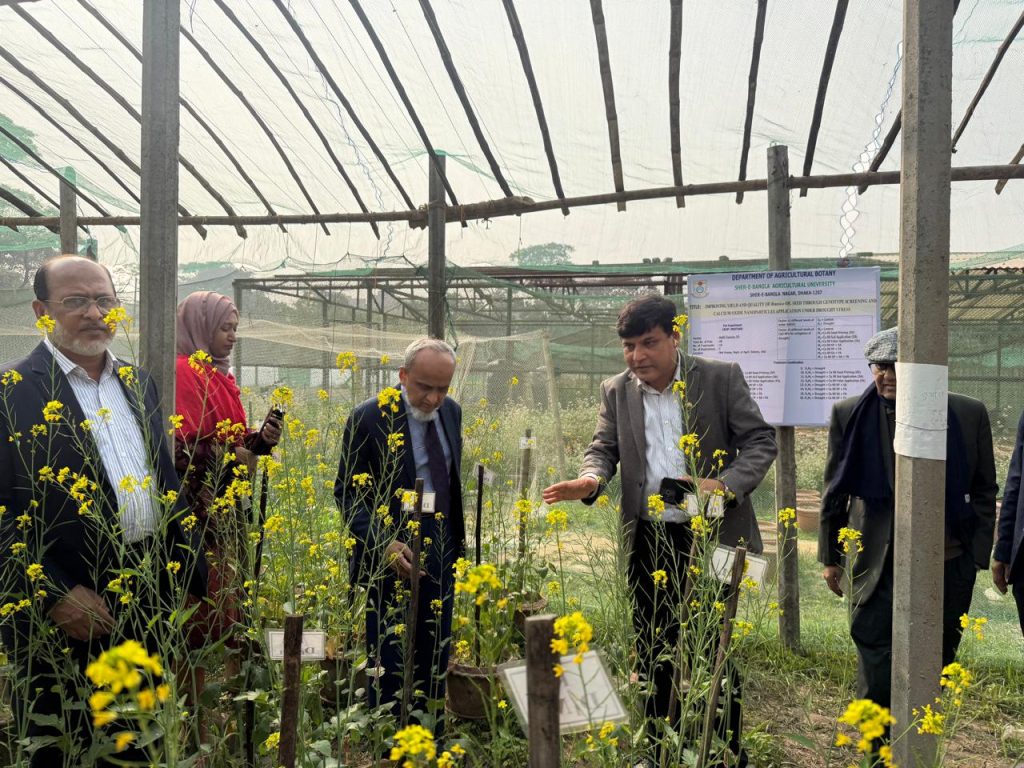
PKSF’s Deputy Managing Director, Dr. Akond Mohammad Rafiqul Islam, attended the event as special guest. Speaking at the ceremony, he highlighted that while research enjoys substantial funding in many countries, Bangladesh faces significant limitations in this area. Despite these constraints, he reaffirmed PKSF’s commitment to ensuring that research activities at agricultural universities continue uninterrupted, with PKSF extending all possible support within its capacity.

Equipped with modern instruments, the laboratory will enable precise analysis of nutrient levels and harmful elements in soil and plants. It will facilitate the assessment of plant responses under stress conditions and support the application of smart agriculture technologies, including organic soil inputs and nanotechnology to improve soil health. These initiatives are expected to enhance crop productivity while ensuring food safety and nutritional quality.

SAU Vice-Chancellor Professor Dr Md Abdul Latif, Treasurer Professor Md. Abul Bashar, Dean (Post-Graduate) Dr M Salahuddin M Chowdhury, , and Director (Planning and Development) Professor Dr Md Sarwar Hossain, among others, were present during the inauguration ceremony.
_DSC0295
News & Events

Expansion of small-scale processing of agro-commodities

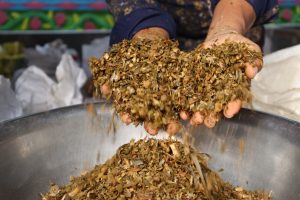
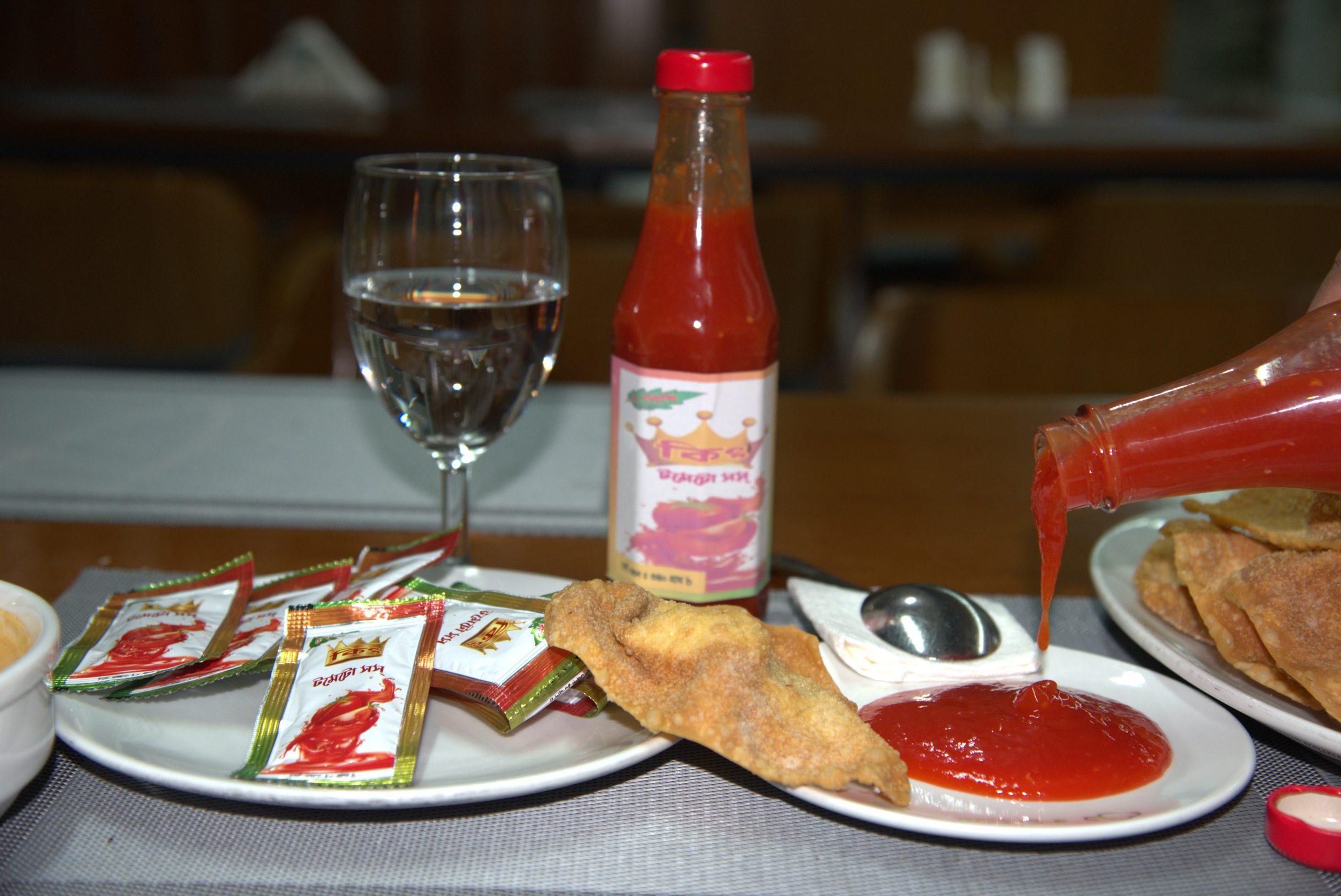
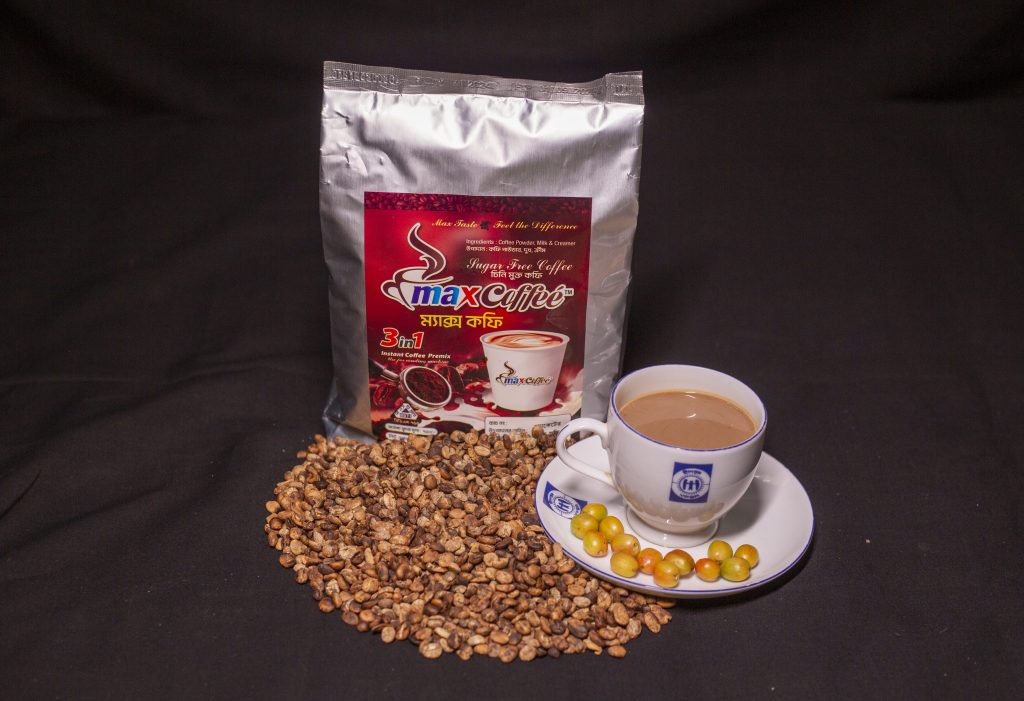
RMTP is promoting rural product commercialization through small-scale processing to reduce post-harvest losses of agro-commodities. The project has introduced a variety of products, including pumpkin pills (kumro bori), tomato sauce, dried cabbage, spice items, cold-pressed mustard oil, sunflower oil, rosella tea, coffee, banana chips, potato chips, dried mango, mango bar, ground nut fry, puffed rice, flattened rice, date palm jaggery, black piper powder, fruits juice and various pickles in different agro-business clusters across Bangladesh. The initiative aims to ensure safe production and enhance productivity by introducing machinery. Furthermore, the project has supported entrepreneurs in branding, packaging, certification, and marketing their products both online and offline. As a result, the entrepreneurs are now enjoying significant profits.

13
News & Events

Ecological farming systems introduced for vegetable cultivation

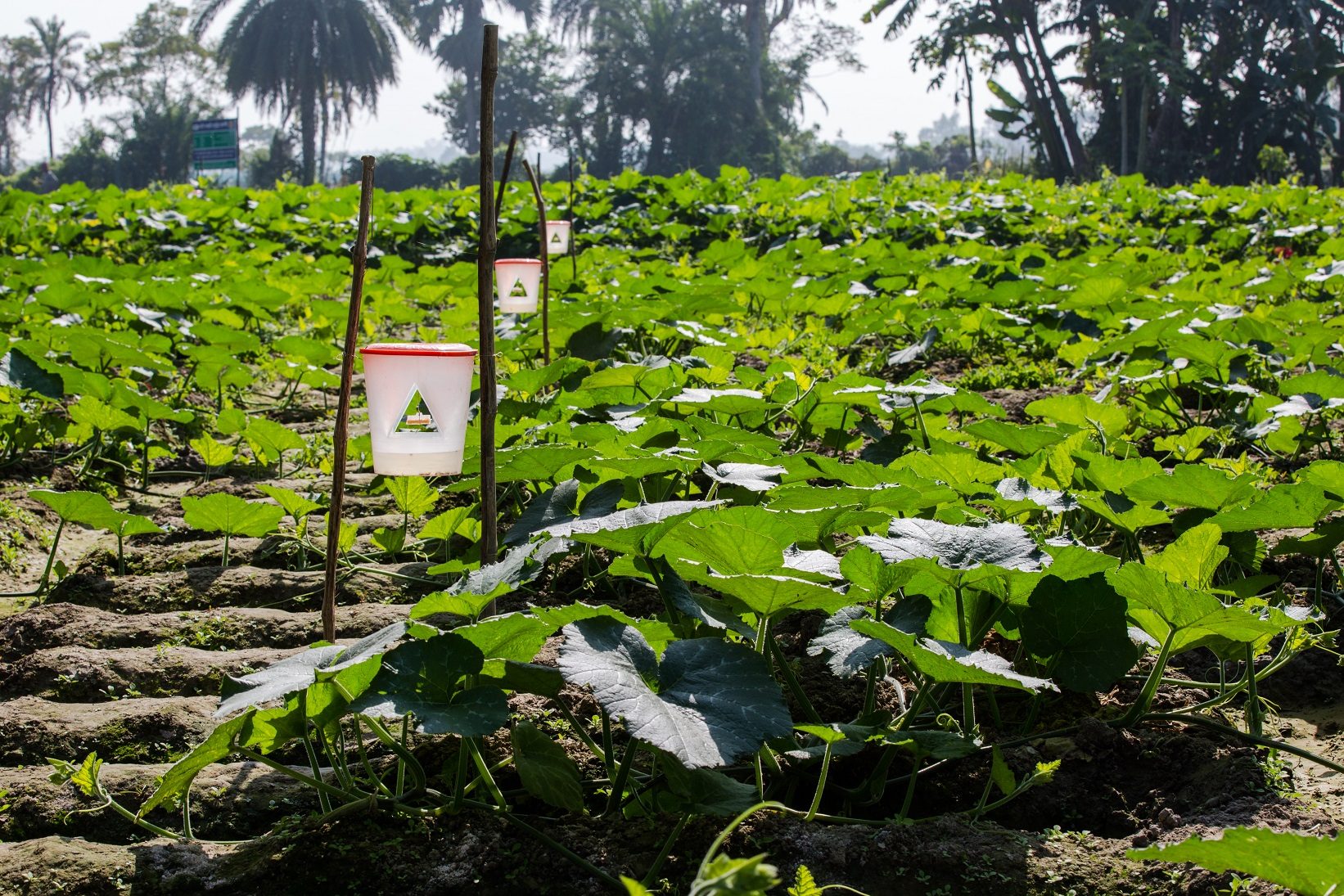
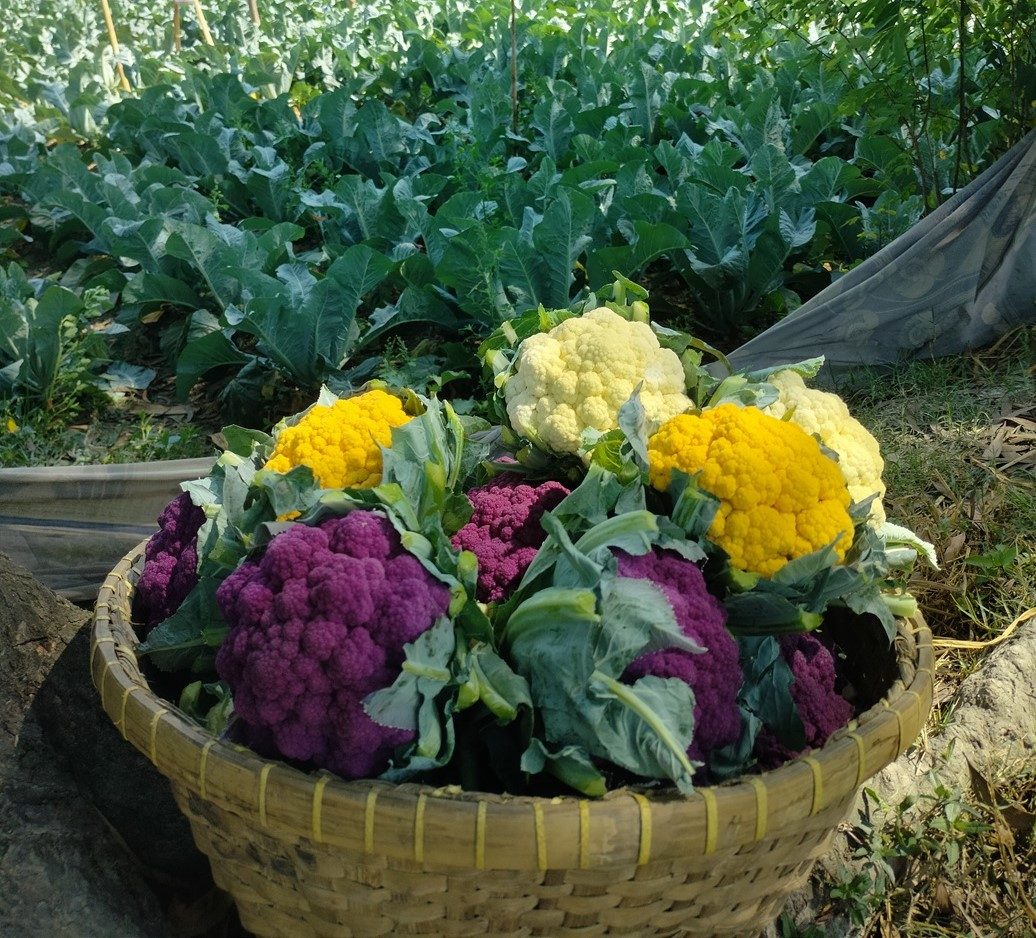
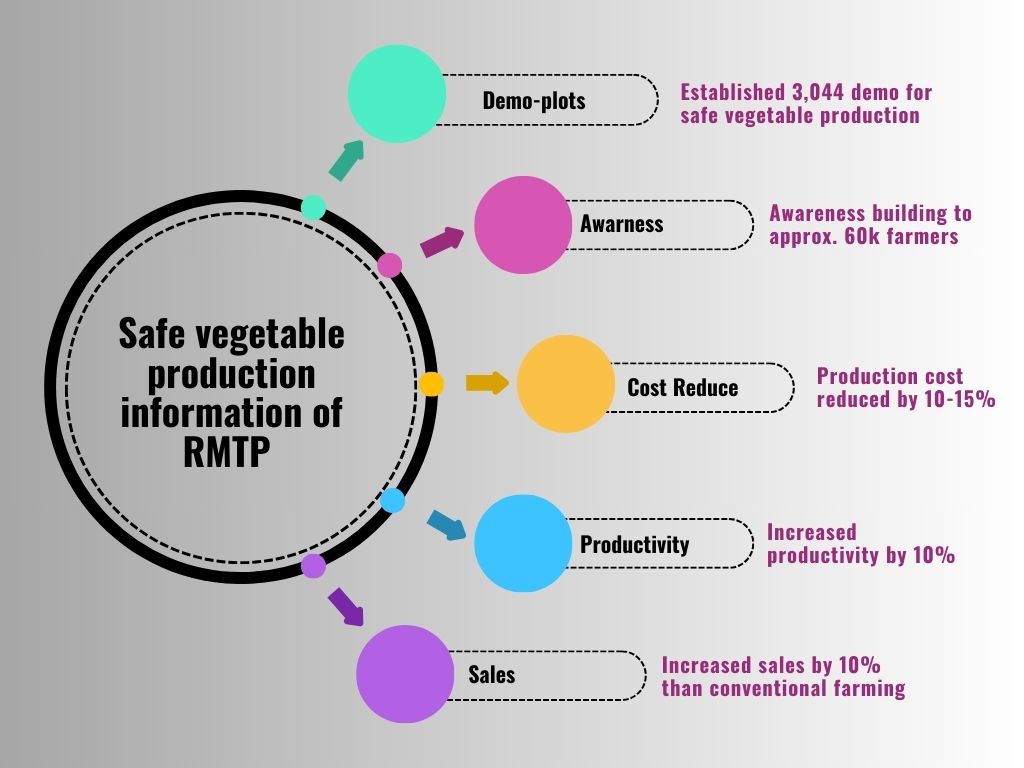
The RMTP is promoting ecological farming technology for vegetable cultivation. The project farmers have received orientation on Good Agricultural Practices (GAP), the use of organic pesticides, and organic fertilizers. Additionally, they have been trained to produce safe saplings using coco-media. According to the farmers, adopting ecological farming technology has reduced production costs compared to using chemical fertilizers, resulting in higher profitability than traditional (chemical-based) farming methods.

Vegetables grown through ecological farming are sold at premium prices due to increasing consumer health consciousness. Various supermarkets and safe food outlets are now demanding these safe vegetables. The project reports that farmers are cultivating a range of vegetables—such as brinjal, bottle gourd, cucumber, tomato, papaya, cauliflower, squash, chili, and sweet gourd—on an average 1.41-acre plots using ecological farming technology.

Currently, approximately 87,000 farmers are involved in cultivating safe vegetables on 30,000 hectares of land. An interim evaluation indicates that 65% of these farmers have increased their income by 40% through eco-friendly farming practices.

IMG-20250101-WA0050
Stories

Preetilata Tripura becomes self-reliant through black pepper cultivation

Spices have been essential to culinary traditions for centuries. The people of the Indian subcontinent have been familiar with cinnamon, black pepper, and pepper since ancient times. Though 57-year-old Preetilata Tripura lacked detailed knowledge of their historical significance, she recognized the potential of black pepper cultivation and took on the challenge of growing this unconventional crop.

A century ago in the same district, Pritilata Waddedar, the first female martyr in the fight against the British colonialism, was honored as a ‘Veer Kanya’ (Brave Woman). Today, another Preetilata from Koila village in Mirsarai upazila of Chattogram, Bangladesh, has gained recognition as a model black pepper farmer, turning her determination into inspiration for others.

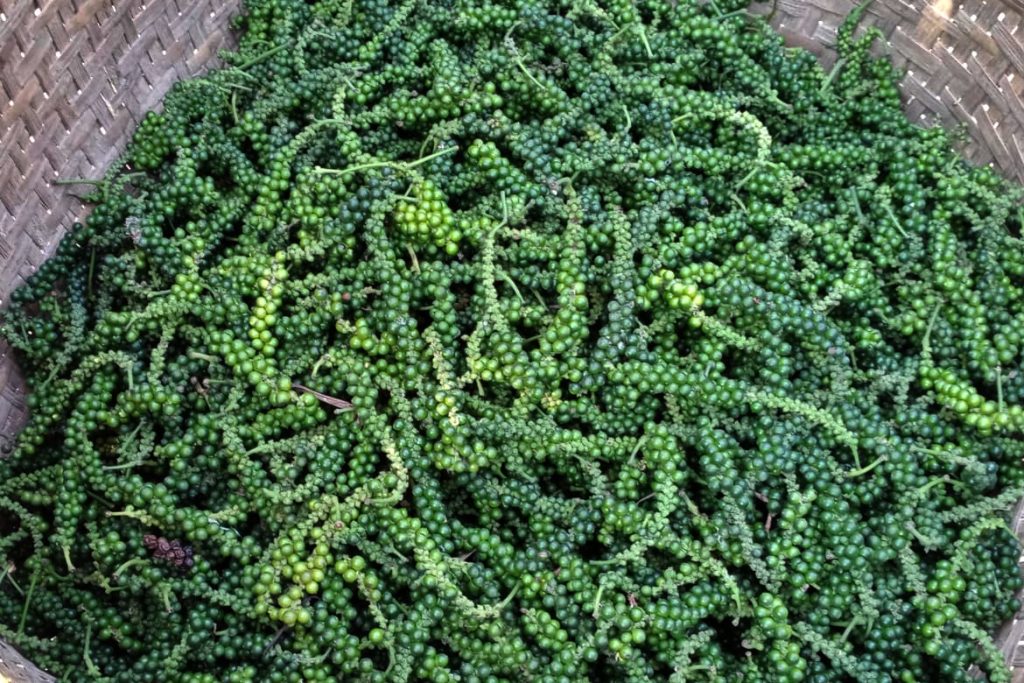
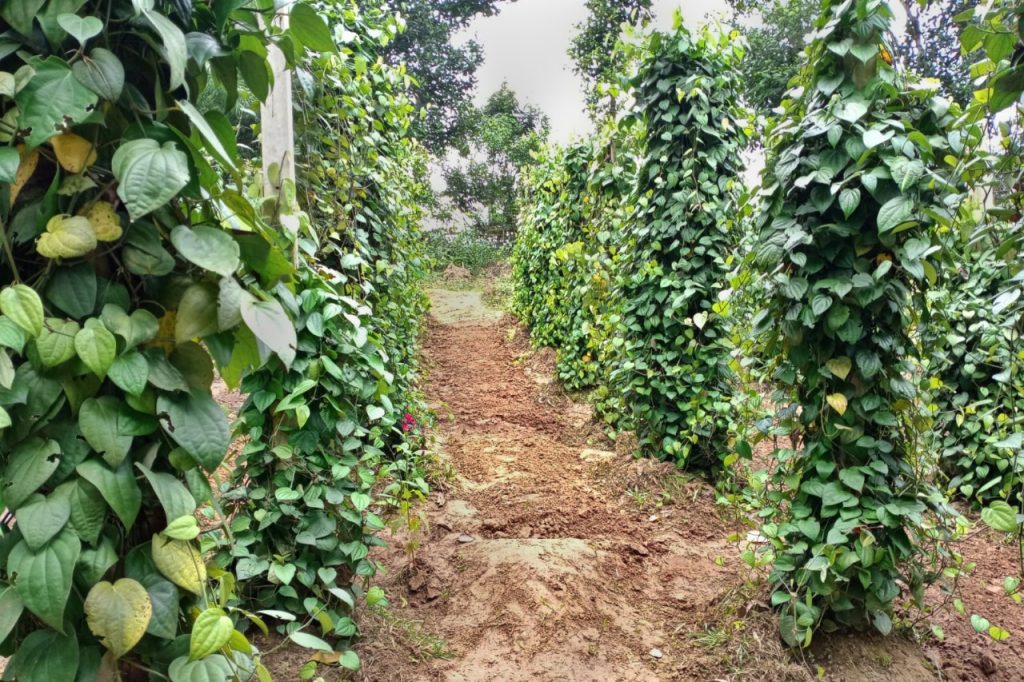
Preetilata shared, “They told me black pepper has good yields and higher profits. In 2018, I planted saplings on 125 poles, with four saplings per pole. The production began in 2021, and I sold 25 kgs of black pepper that year. Last year, I sold 40 kgs.” Since then, she never looked back. She has expanded black pepper cultivation to new areas, including her lemon and jackfruit orchards in the Golachipa village.

Using techniques learned from PKSF’s RMTP project, she now also grows and sells black pepper saplings. Among those who started black pepper cultivation with her, only Preetilata has succeeded in expanding her out-of-the-ordinary venture. To promote eco-friendly farming, she uses organic fertilizers and pesticides for her crops. Over the past few years, she has earned approximately BDT 2.4 lakh from black pepper, saplings, and inter-crops like ginger and turmeric.

Her success has also positively impacted her family. Her eldest daughter, Mitali, completed her bachelor’s degree before being married off. Preetilata’s second daughter, Shiuli, is pursuing her bachelor’s with honors at Barishal Nursing College. Her son, Amit, has passed SSC and now serves in the police. 

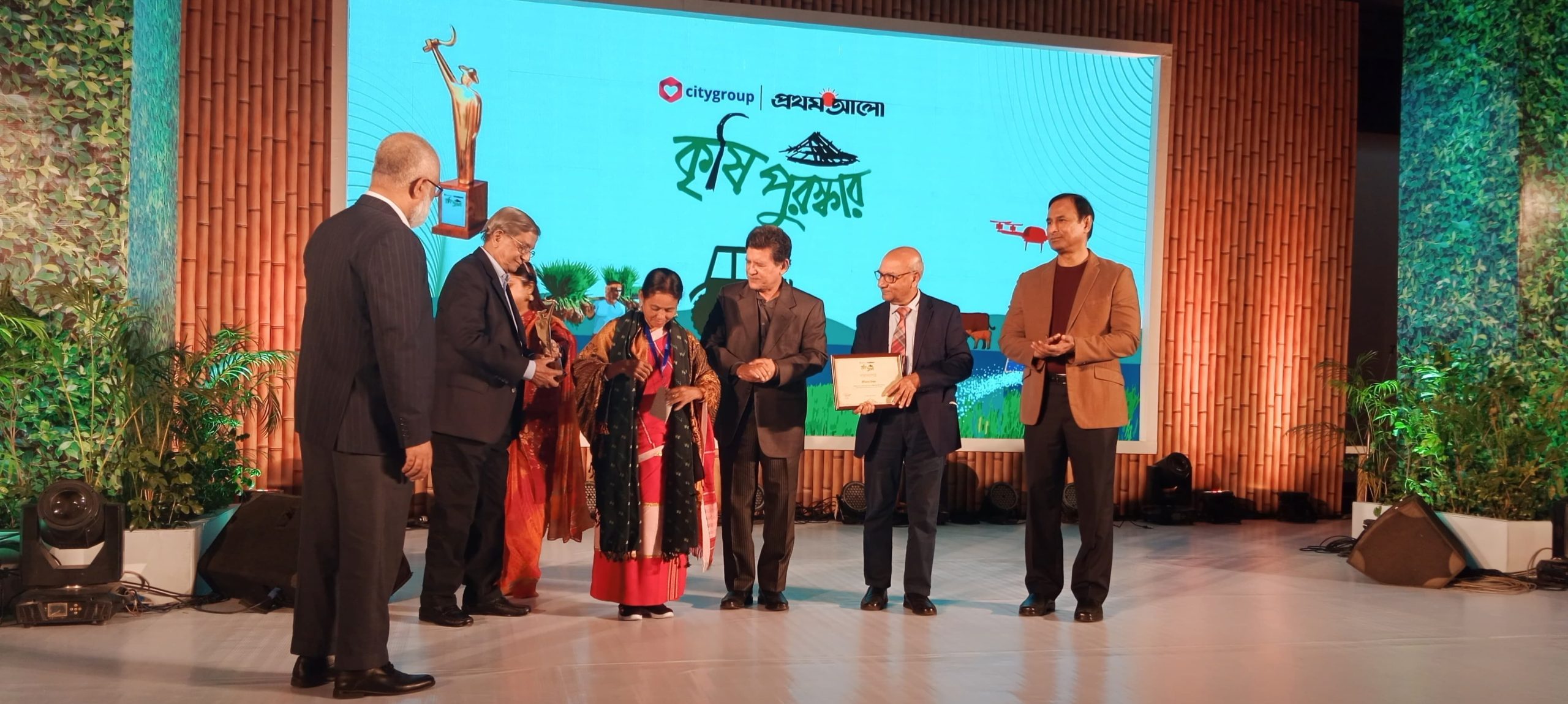
In recognition of her achievements, Preetilata was awarded the ‘City Group-Prothom Alo Agriculture Award 2024’ as the best female farmer. Her resilience and determination have made her a role model for others in her community.

IMG_2293
News & Events

Double-deck trucks and boats for livestock transportation

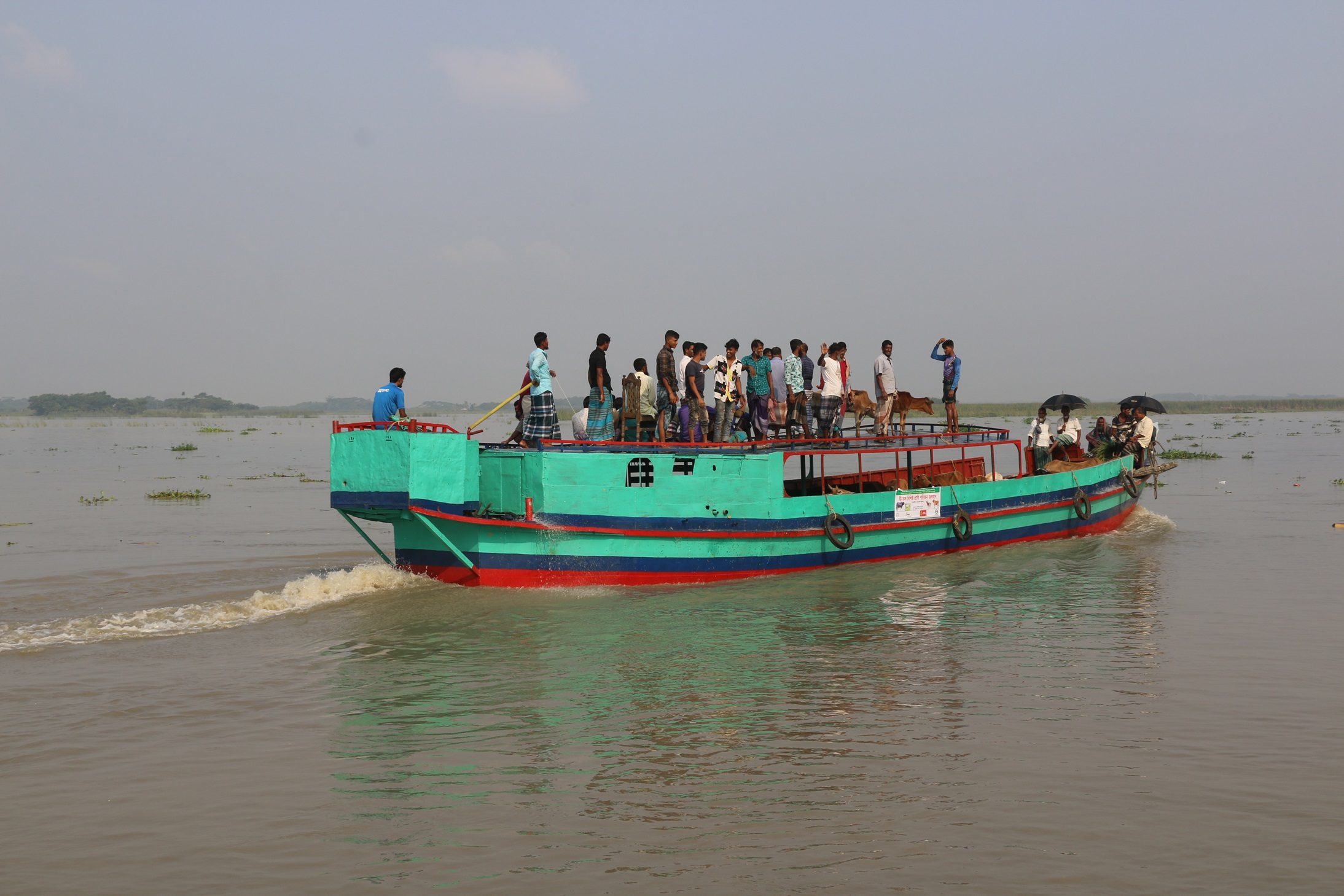
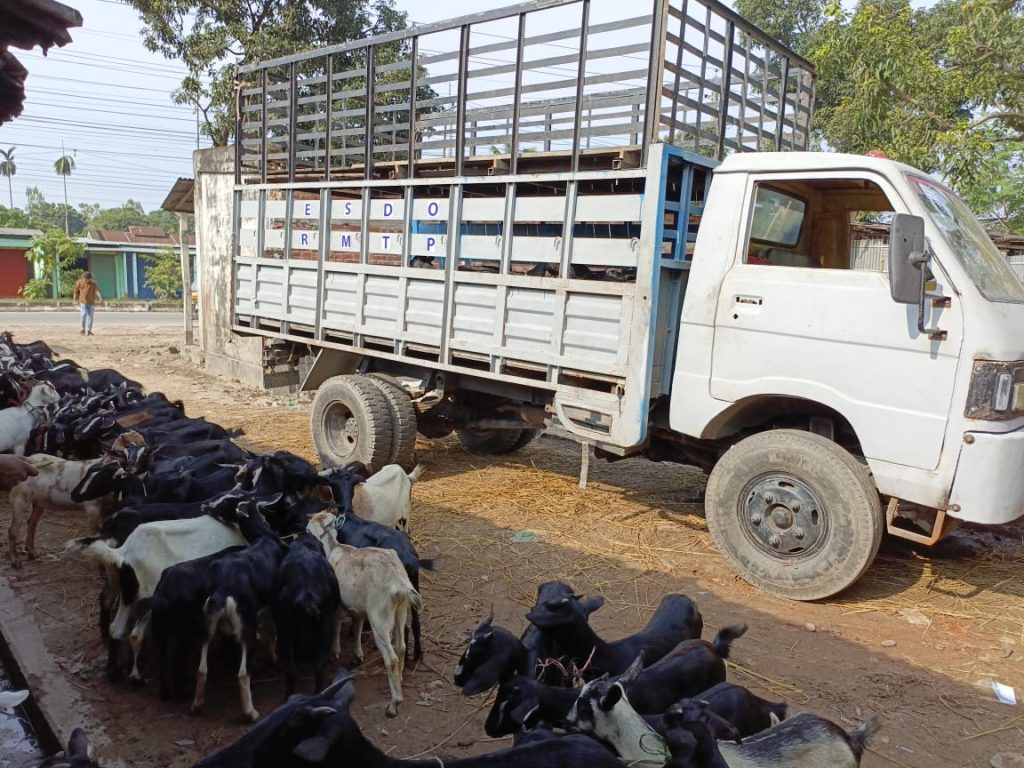
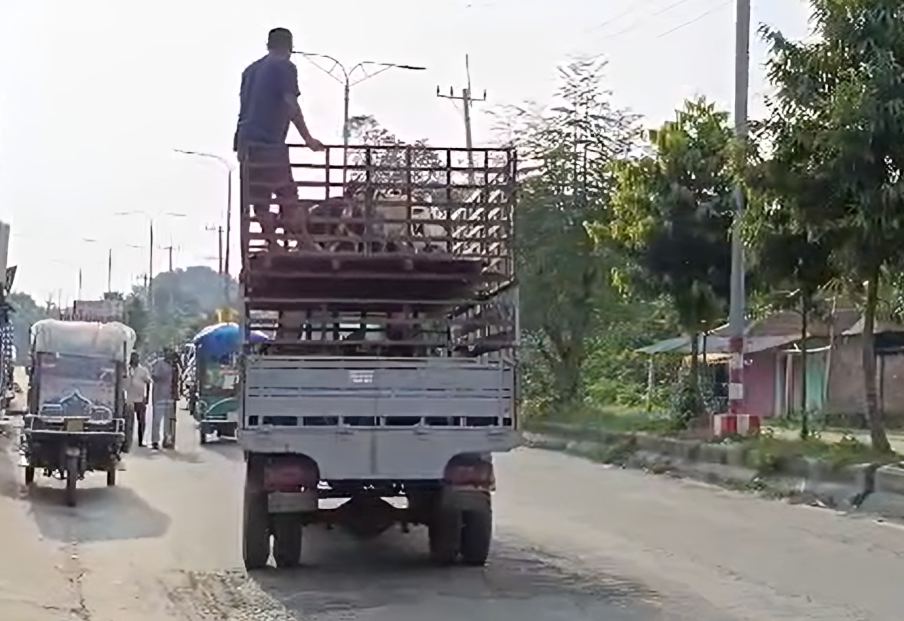
RMTP, in collaboration with PKSF’s partner organizations, has introduced double-deck trucks and boats for livestock transportation. This innovative system allows for the simultaneous transport of small and large animals in separate decks. This way, the project aims to significantly decrease transportation expenses, leading to increased profits for farmers and traders.

Drip
News & Events

Drip irrigation system expansion in horticulture sector

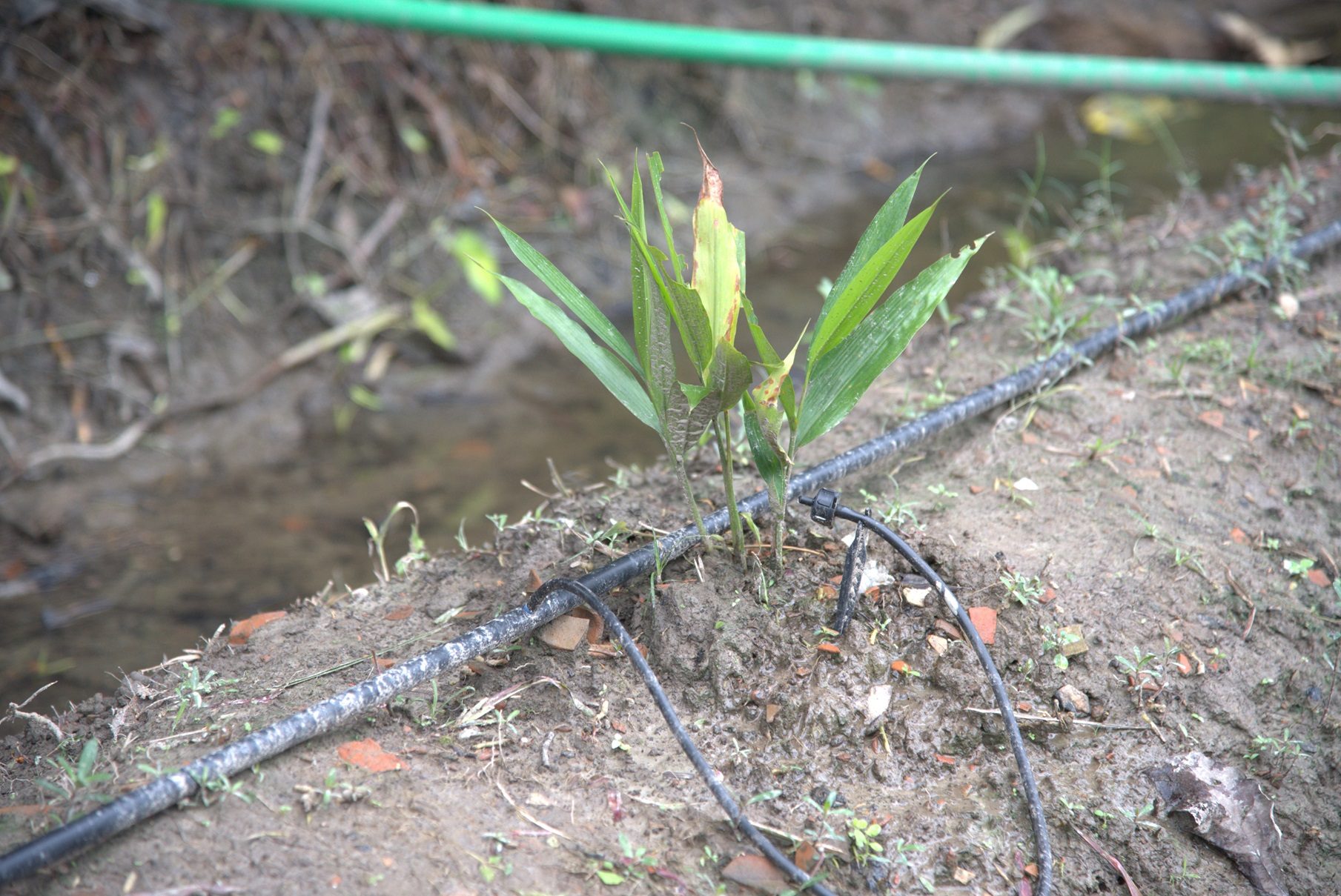
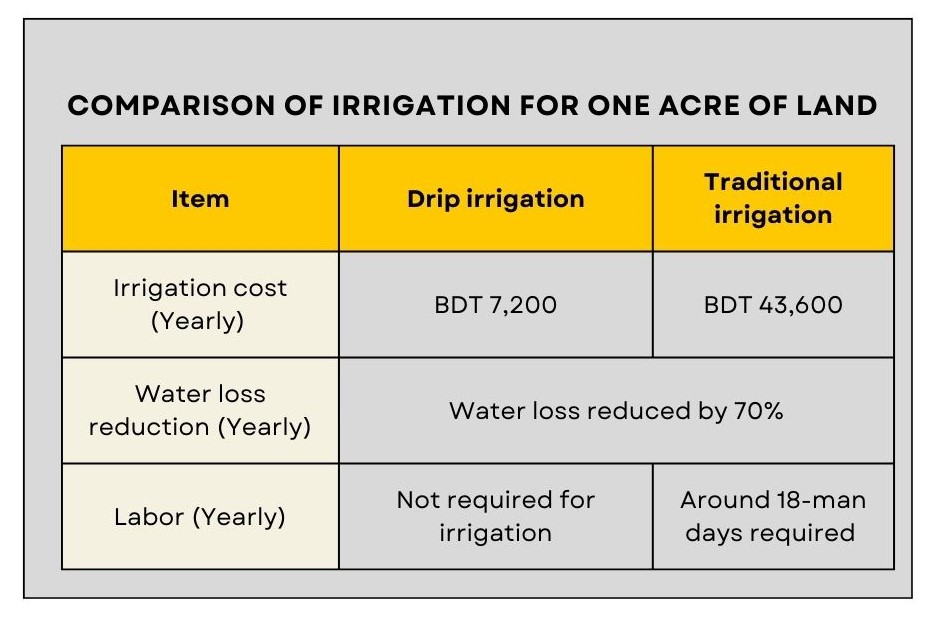
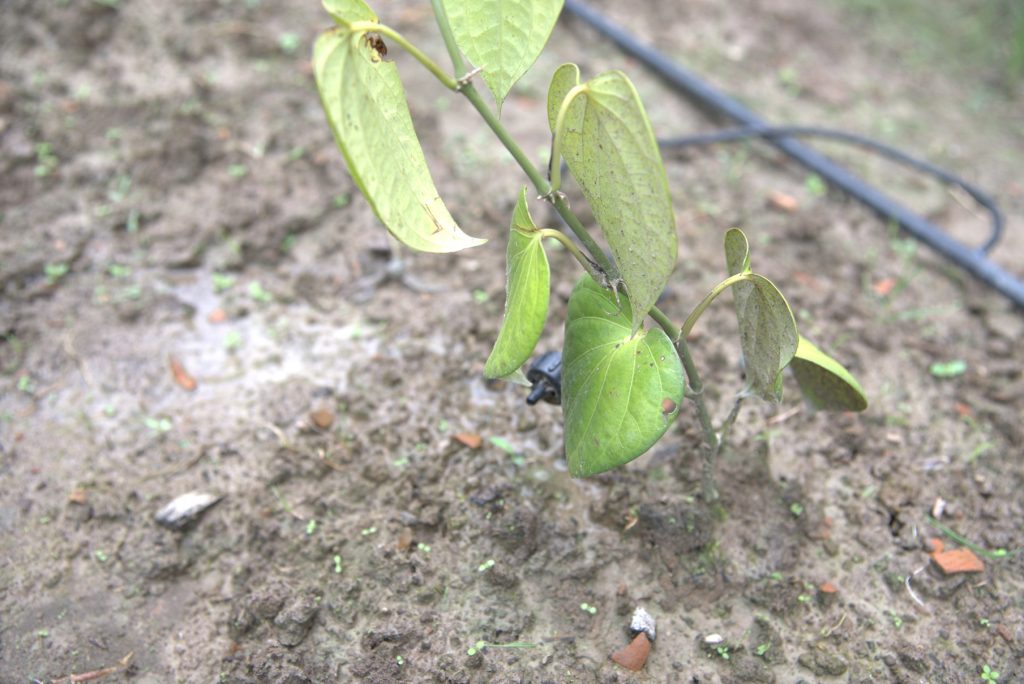
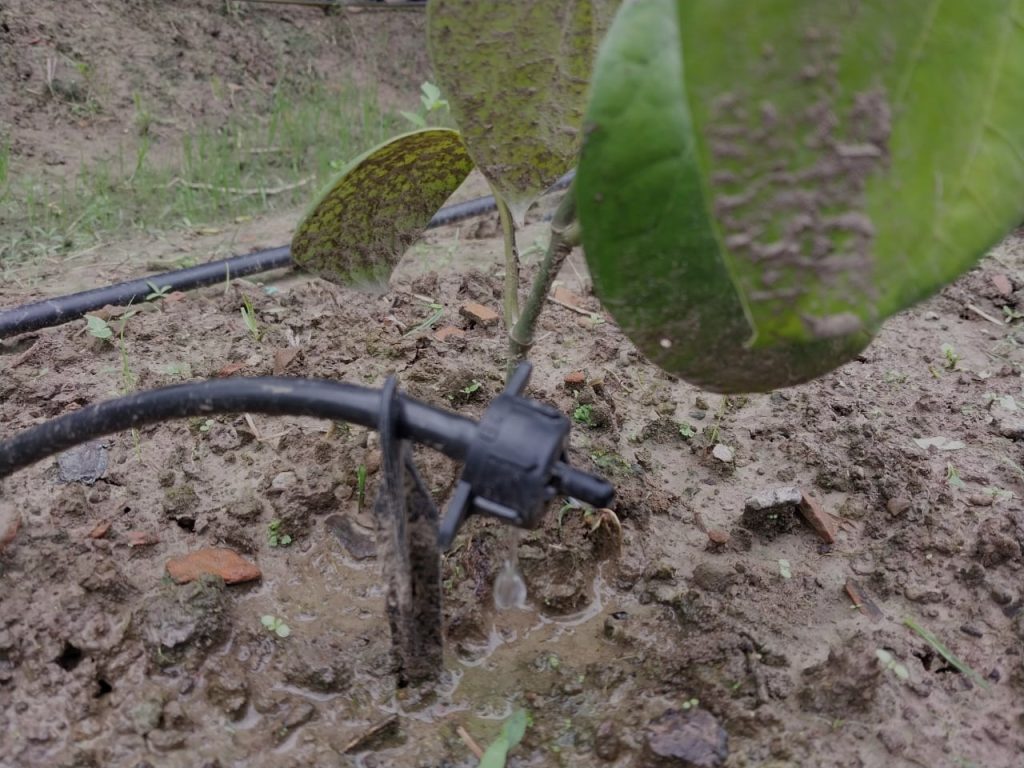
Drip irrigation is widely recognized as the most efficient water and nutrients delivery system for growing crops. By directly targeting the root zone of each plant, this system ensures that the right amount of water and nutrients is provided precisely when it is needed. Consequently, plants can grow optimally, resulting in improved yields and resource utilization.

RMTP has successfully introduced 15 drip irrigation systems across the country. The project has not only equipped farmers with an advanced technology but also fostered sustainable farming practices. By implementing drip irrigation on such a scale, the RMTP project has contributed significantly to water conservation efforts. This technology reduces water wastage by minimizing evaporation and runoff, allowing farmers to make the most of their available water resources.

5
News & Events

Expansion of silage production business to ensure livestock cattle feed  

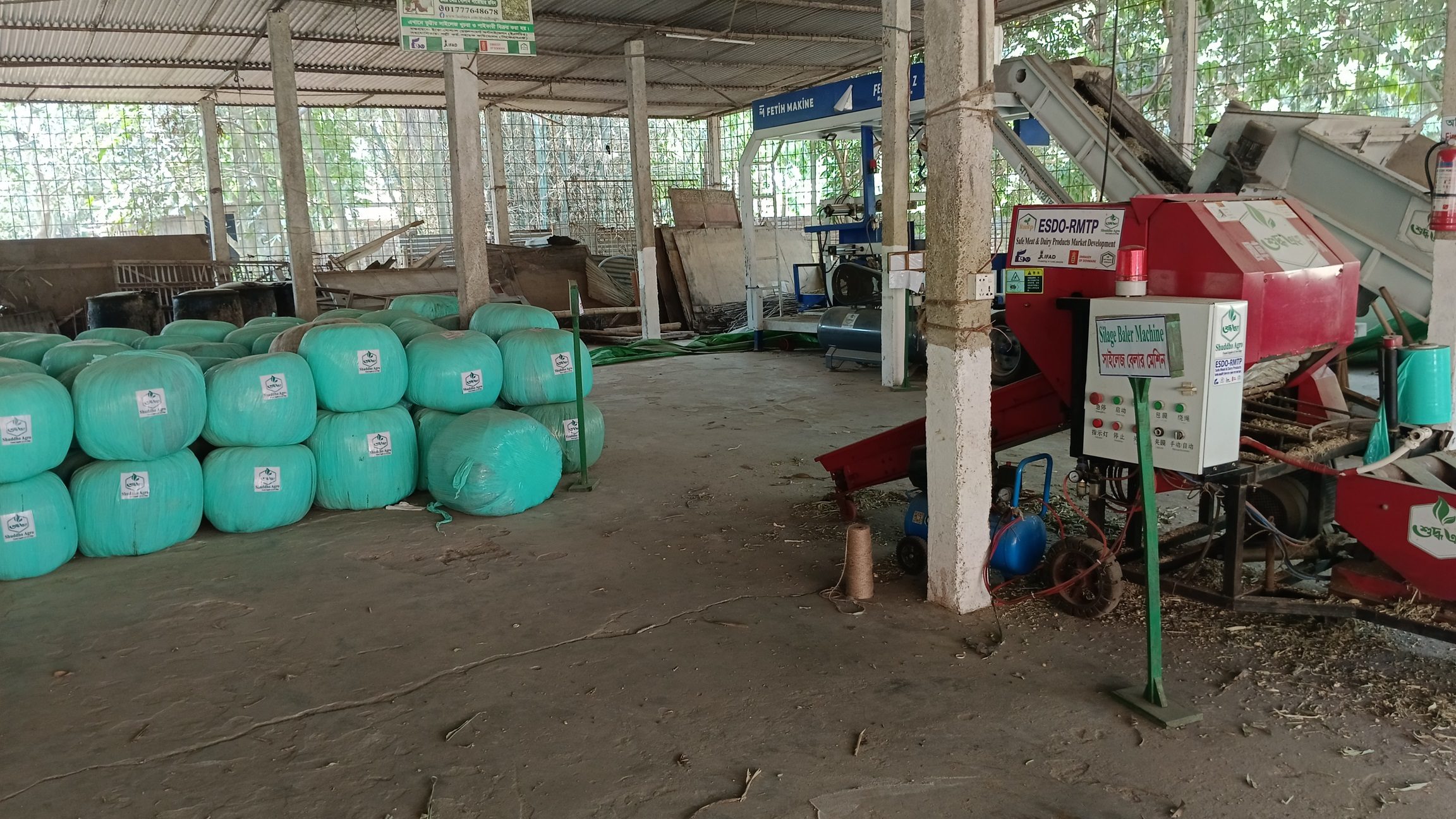
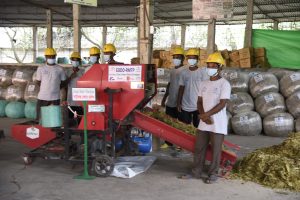
Silage is a type of fodder made from green foliage crops which have been preserved by fermentation to the point of acidification. It can be fed to cattle, sheep, and other such ruminants (cud-chewing animals). Making silage is an important way for farmers to feed cows and sheep during times when pasture isn’t favorable, such as the dry season.

RMTP established 70 demonstrations on silage production and provided entrepreneurs with the support of machinery purchase, market linkage and market promotion, both offline and online. Also, contract farming agreement was made between maize/grass growers and silage producers for the consistent supply of maize/grass to the silage factory. This initiative has led to a monthly production of 3,500 tonnes of silage. Additionally, 12,226 farmers are supplying maize/grass to the silage producers, while 33,757 farmers are purchasing the raw materials from them. This initiative has significantly enhanced the efficiency, productivity, and sales of silage producers. Moreover, it has resulted in a 25% increase of income for entrepreneurs and has created employment opportunities.

sprinkler-impact-7025-image
News & EventsStories

Sprinkler irrigation revolutionises fruit farming in Tangail

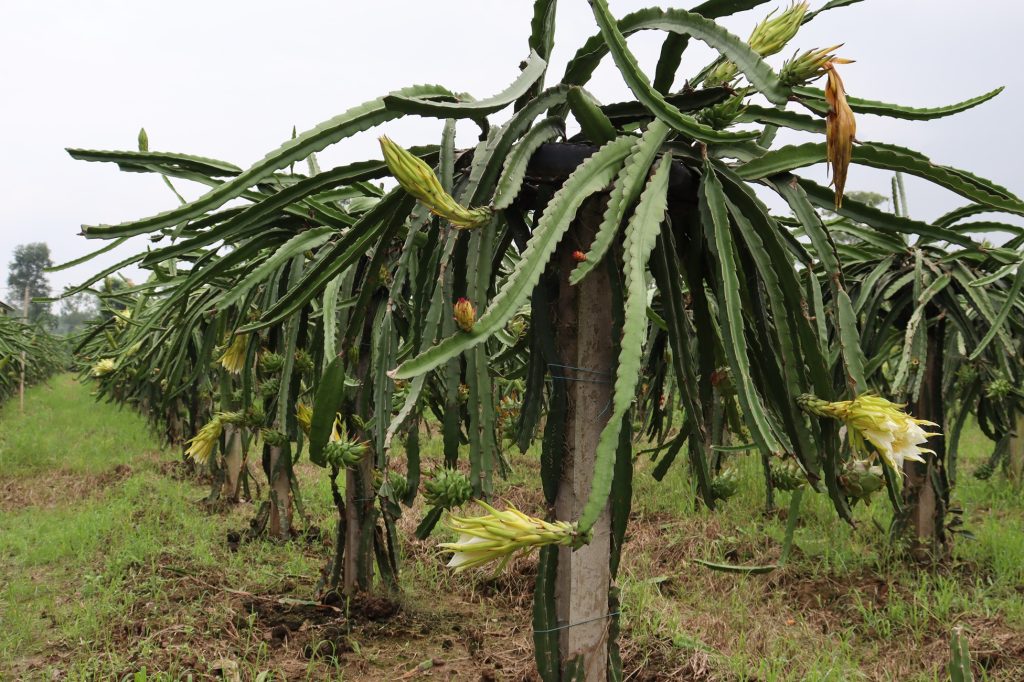
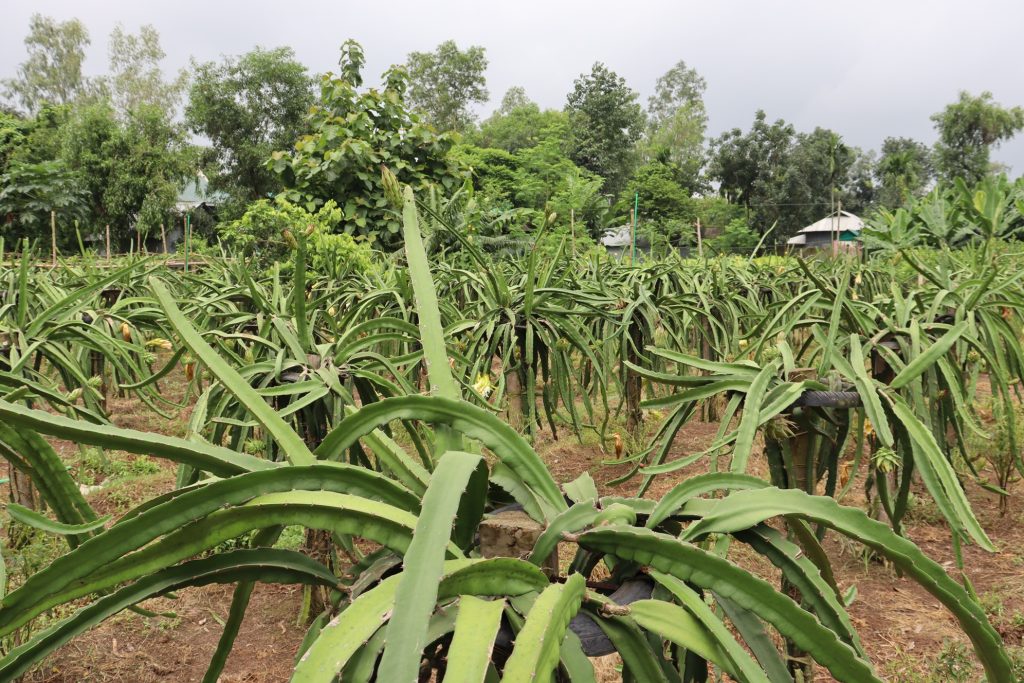
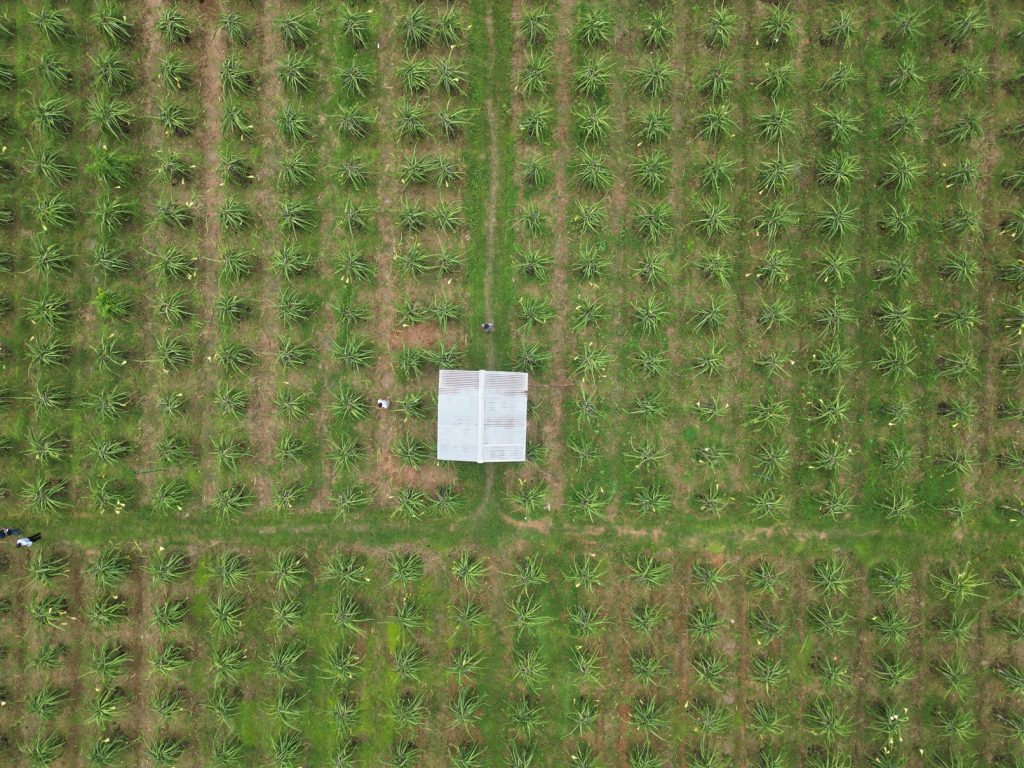
Humayun Kabir from Tangail’s Ghatail upazila runs a 51-acre agricultural farm with pineapple and G-9 bananas cultivated on several acres. Inspired by a local farmer’s use of modern sprinkler technology, he installed it on his farm recently for Tk1.20 lakh.

“Sprinkler irrigation has clear benefits compared to traditional methods. The installation cost will be offset by the system’s lower electricity consumption and improved yields,” he told.

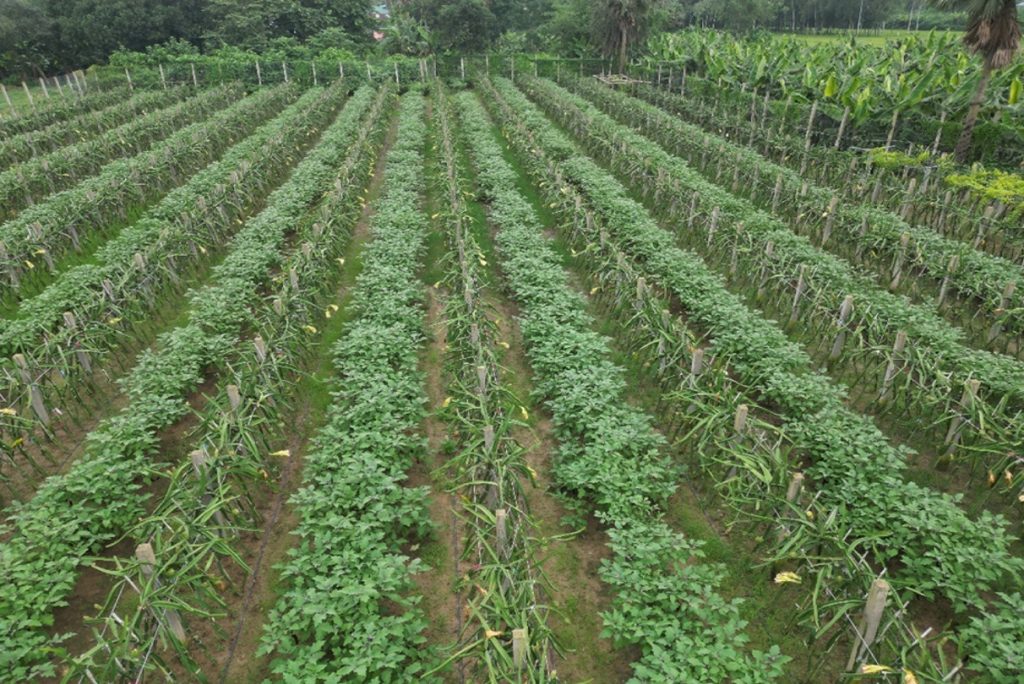
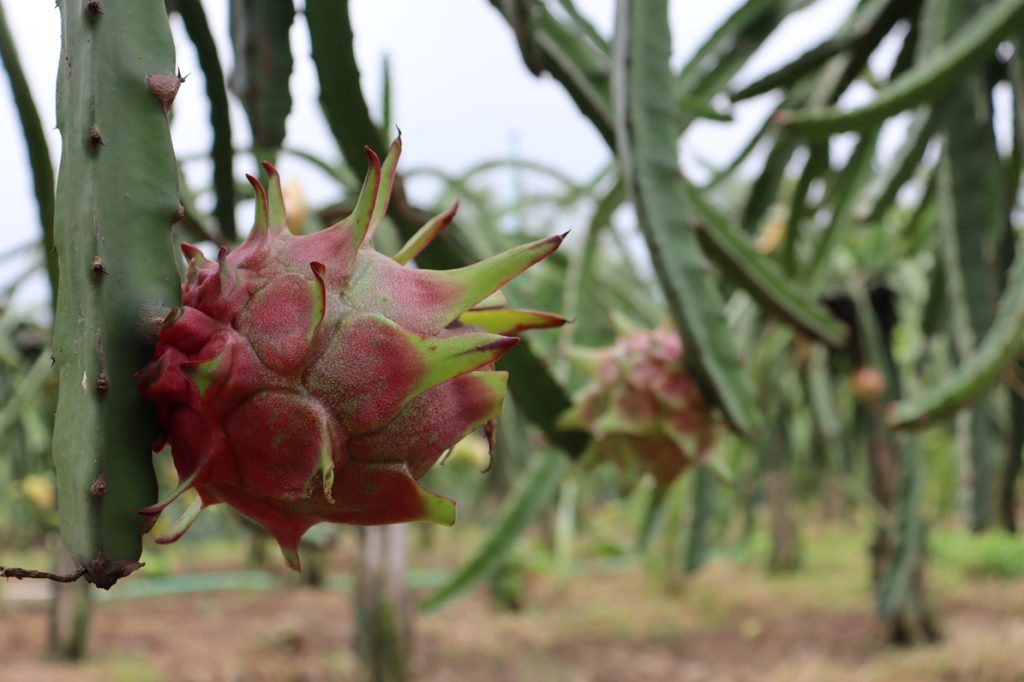
By adopting sprinkler irrigation, Tangail’s fruit farmers like Humayun are revolutionising the cultivation of dragon fruit, pineapples, and bananas.

Farmers and agriculture officials said some are now considering this method for growing other fruits due to its ability to drastically reduce costs, as well as save water and irrigation time.

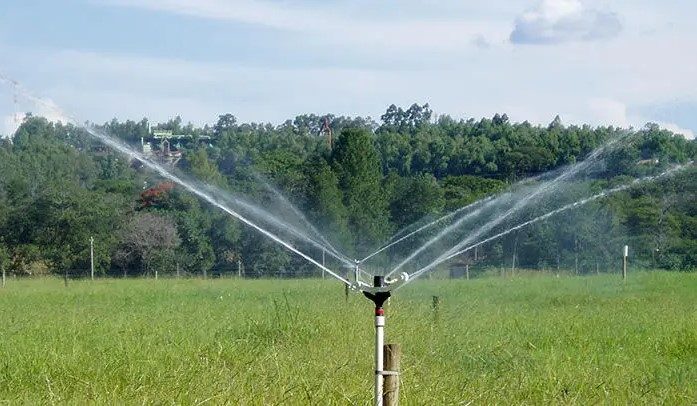
A sprinkler irrigation device sprays water over crops, mimicking rainfall. It distributes water evenly across fields, helping plants grow while conserving water.

Palli Karma-Sahayak Foundation (PKSF) officials, citing research, said sprinkler or drip irrigation cuts electricity bills by 75%, reduces water wastage by 80%, and lowers labour costs. Irrigation that took four days previously can be done in just 24 hours.

According to farmers, manual irrigation of a one-bigha dragon fruit orchard typically consumes electricity costing Tk7,000-Tk12,000 annually.

In comparison, sprinkler irrigation reduces the cost to Tk4,000-Tk7,000, while drip irrigation lowers it further to Tk 2,000-Tk 3,000.

A drip irrigation device delivers water directly to the roots of plants through a network of tubes and emitters.

Manual irrigation requires around 60 lakh litres of water per bigha. In contrast, according to farmers’ accounts, sprinkler irrigation uses 36 lakh litres, and drip irrigation significantly reduces it to 18 lakh litres.

Society for Social Service (SSS), a private organisation, has introduced this technology to farmers in Tangail.

The Agricultural Extension Department also recognised it as a timely integration. Kabir Hossain, deputy director of Tangail Agricultural Extension Department, told, “This is excellent for commercial gardeners. These methods have long been used in developed countries, and based on our climate, they need to be further integrated into agriculture.”

Alek Sikdar from Tangail’s Ghatail upazila cultivated dragon fruits on 13 acres of land, benefiting greatly from sprinkler technology. He said, “This irrigation method keeps the plants and fruits refreshed. There is no doubt the sprinkler system introduced by SSS is a farmer-friendly technology.”

Abdul Hamid Bhuiyan, executive director of the SSS, said, “Tangail is a major hub for fruit production. We aim to foster the growth of improved, safe crops using modern agricultural systems that conserve water and reduce costs.”

According to the district Agricultural Extension Department, around 19,000 hectares of land in Tangail are used to cultivate fruits like mango, jackfruit, and pineapple. Groundwater is also required for these crops. With many farmers in Madhupur and Ghatail upazilas now adopting water-efficient modern irrigation systems, groundwater will be conserved to some extent.

Farmers said previously they used pipes to water the farmland, but this method didn’t effectively reach the tree leaves.

“With the installation of the sprinklers, all the plants in the garden receive even watering. This has lowered costs and increased yield. In the future, I plan to use the sprinkler system for irrigating other crops as well,” said Md Abdur Rashid from Ghatail.

Agricultural scientists said adverse weather conditions are reducing fruit nutrition and flavour. However, if plants receive water through a sprinkler or a drip irrigation system, along with necessary nutrients, the fruit will be both nutritious and tasty.

In response, a sub-project is being carried out under the Rural Microenterprise Transformation Project (RMTP) to extend and market high-value fruit varieties.

Funded by the International Fund for Agricultural Development, PKSF, and Denmark’s Danida, the project aims to improve incomes by providing quality services, materials, technology, and market access, thereby boosting productivity.

PKSF Managing Director Nomita Halder told TBS, “This project is enhancing the income of ordinary people by offering quality services, ensuring market linkages for products, and increasing productivity.”

The initiative is active in 12 districts, including Tangail, Naogaon, Dinajpur, Khagrachari, Chattogram, and Mymensingh, with at least 58,000 farmers adopting modern technology. 

https://tinyurl.com/6c6jkyte

https://tinyurl.com/yrrzsarw

IMG20240302132851
News & Events

RMTP supports farmers yield pesticide-free vegetables  

RMTP has completed an extensive pesticide residual test involving 12 different vegetable samples. The primary objective of this test was to assess the presence of potentially harmful pesticide residues in the produce under examination. These tests encompassed vegetables cultivated by the project-supported farmers as well as those collected from farmers excluding of the project.

The results of this investigation have generated optimism, as none of the samples from the project-supported farmers tested positive for any harmful pesticide residues. However, harmful pesticide residues were detected from the vegetables outside the project. The positive aspect of this development is that farmers participating in the safe vegetable production initiative are now higher prices for their crops compared to the past. 

20230329_140233
News & Events

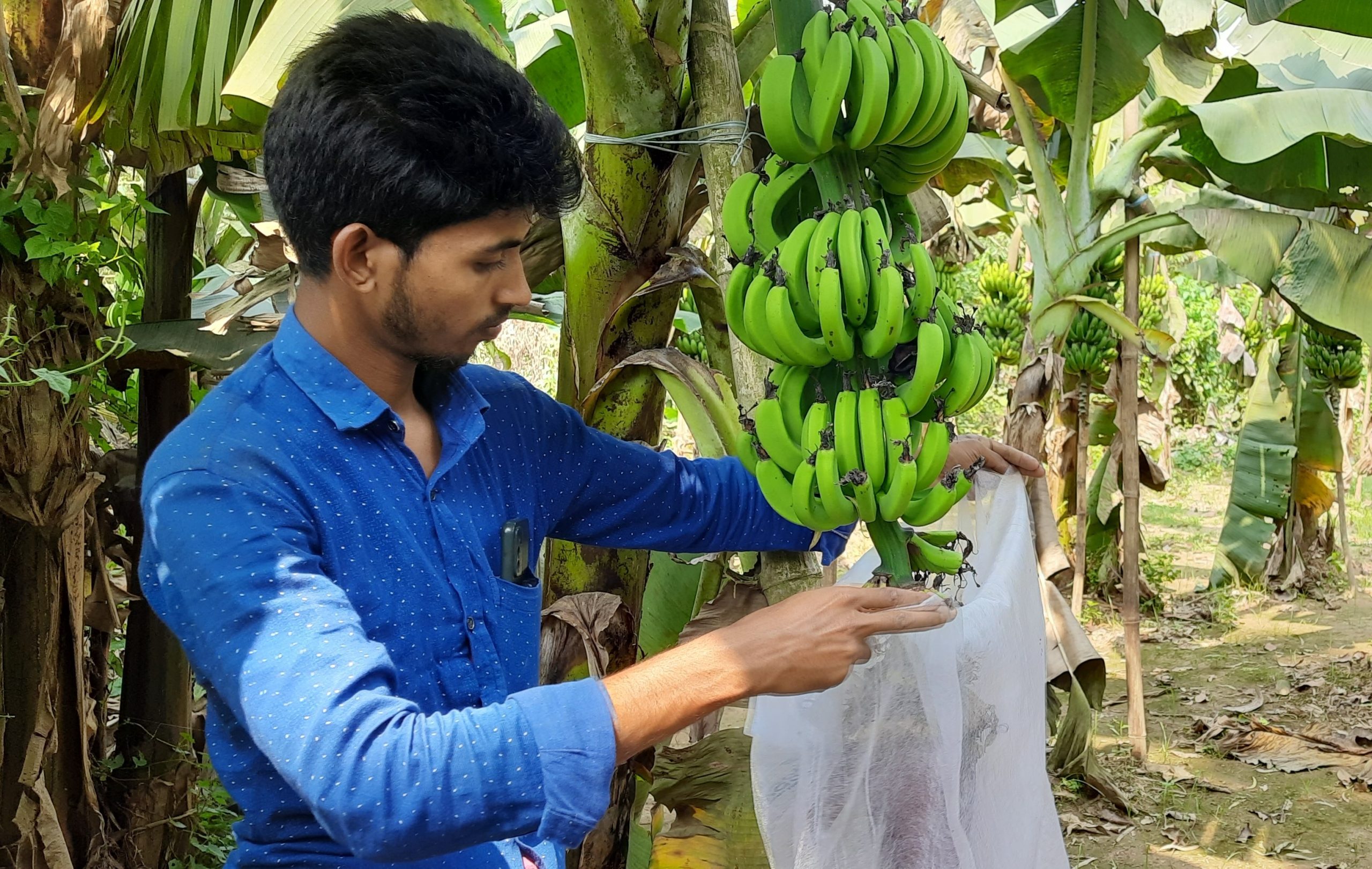
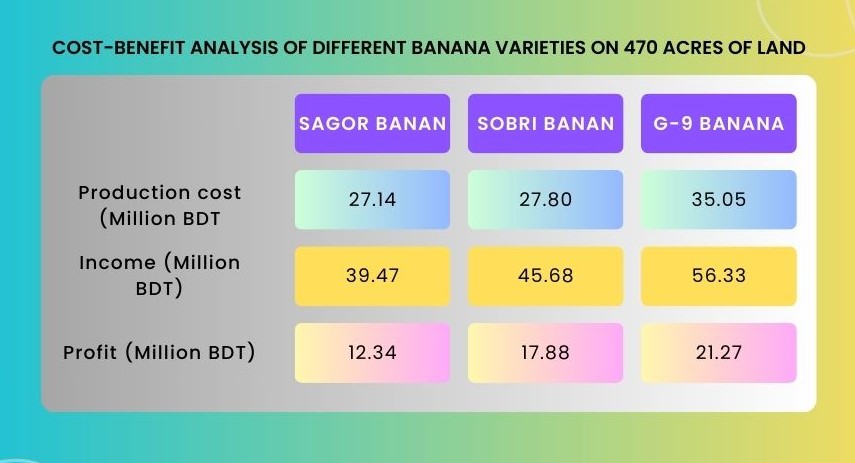
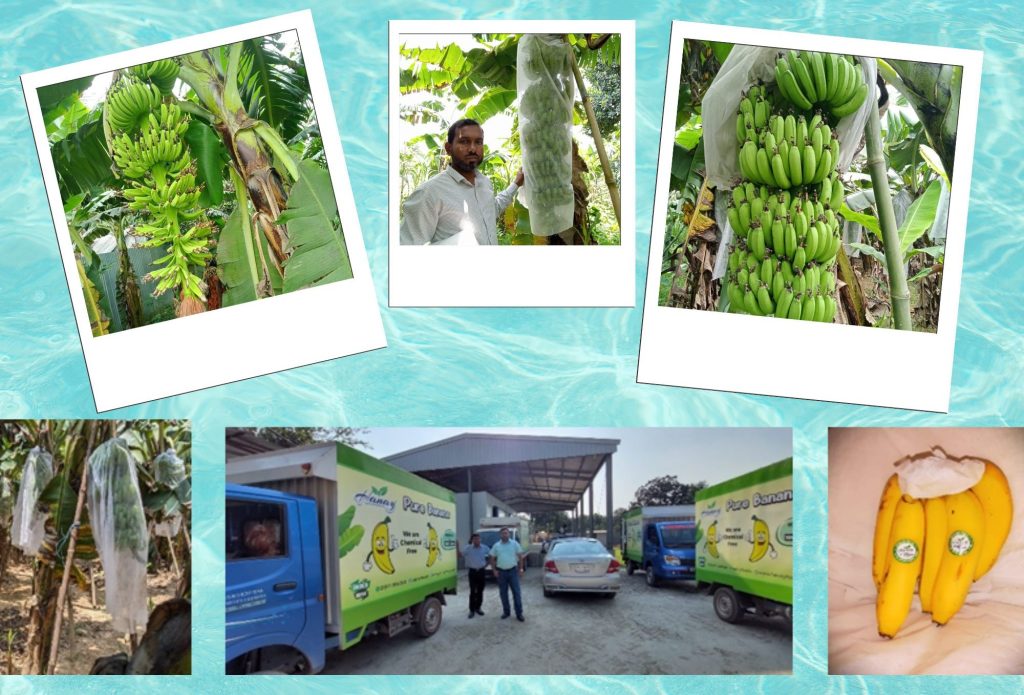
G-9 Banana production expansion in Bangladesh

RMTP project successfully expanded G-9 banana production by distributing 47,000 G-9 banana seedlings among 235 farmers in Tangail and Mymensingh districts, which is producing on 470 acres of land. In addition to the seedlings, the project has provided comprehensive training, technical knowledge, and safe production methods for cultivating bananas, as well as guidance on effective marketing strategies. Furthermore, the project has established market linkages with potential export organizations, allowing the bananas to be sold not only in local markets but also in the international markets. The farmers who have adopted G-9 banana cultivation have experienced significant profits, doubling their earnings compared to other banana varieties. This success has generated considerable interest among other farmers who now wish to cultivate G-9 bananas. Recognizing this demand, the project has facilitated connections between enthusiastic farmers and G-9 banana seedling suppliers, fostering a sustainable supply chain for future expansion.