Category: News & Events
RMTP implements GGAP and HACCP protocols to ensure food safety
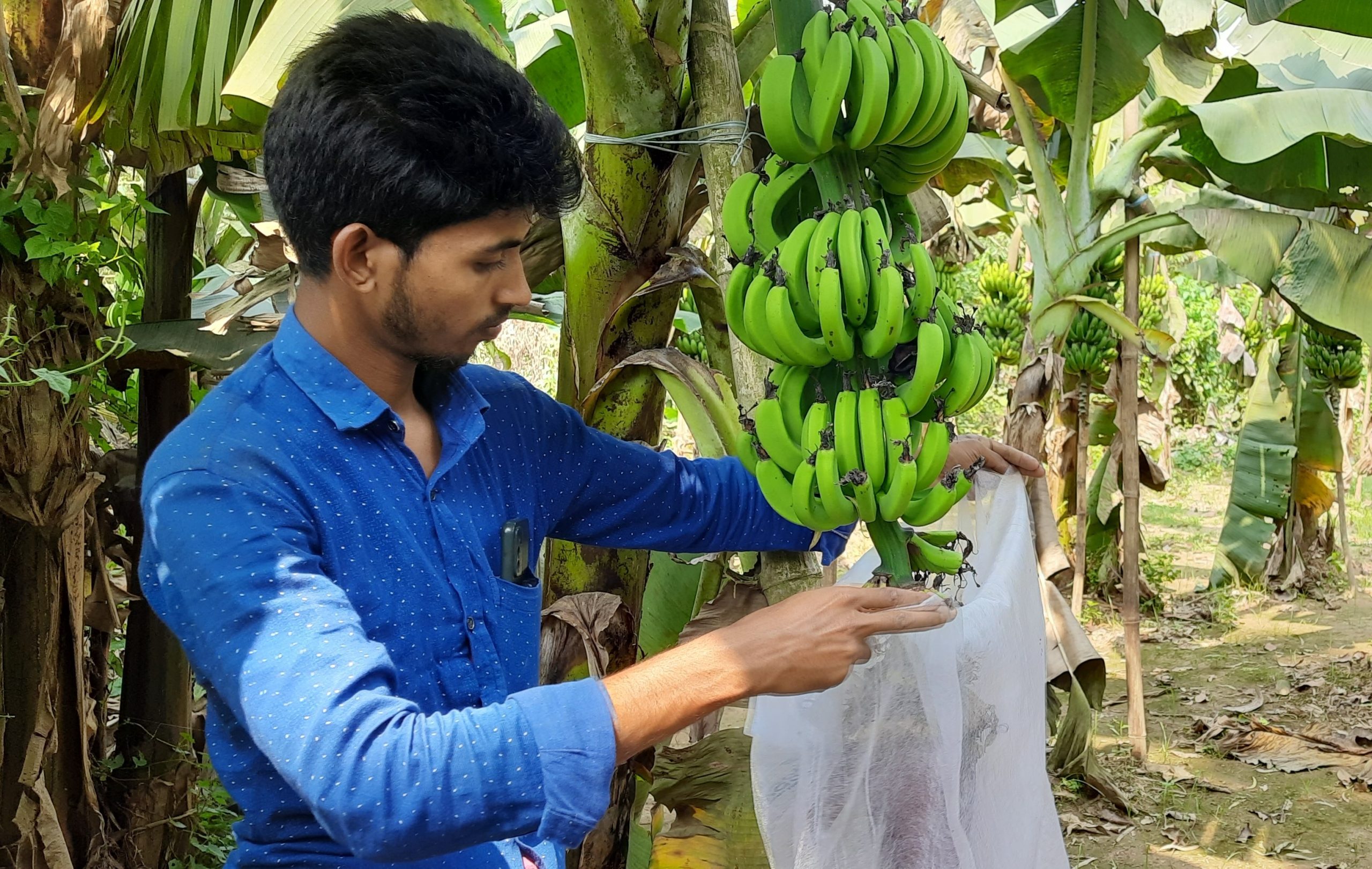
The Rural Microenterprise Transformation Project (RMTP) has introduced Good Agricultural Practices (GAP) and Hazard Analysis and Critical Control Points (HACCP) protocols in the agricultural production and agro-processing sectors. The project has conducted three Training of Trainers (ToT) courses for university teachers, LSPs, selected government officials, and lead farmers. With the successful completion of these courses, expert trainers are now providing comprehensive training to project participants. So far, 11,416 farmers have benefited from this initiative, highlighting RMTP’s unwavering commitment to improving food safety standards at the farmer level.
IFAD Implementation Support Mission evaluated RMTP as satisfactory
An Implementation Support Mission (ISM) of IFAD expressed its satisfaction over the progress of the Rural Microenterprise Transformation Project (RMTP). The ISM was conducted from 7 May to 18 May 2023.
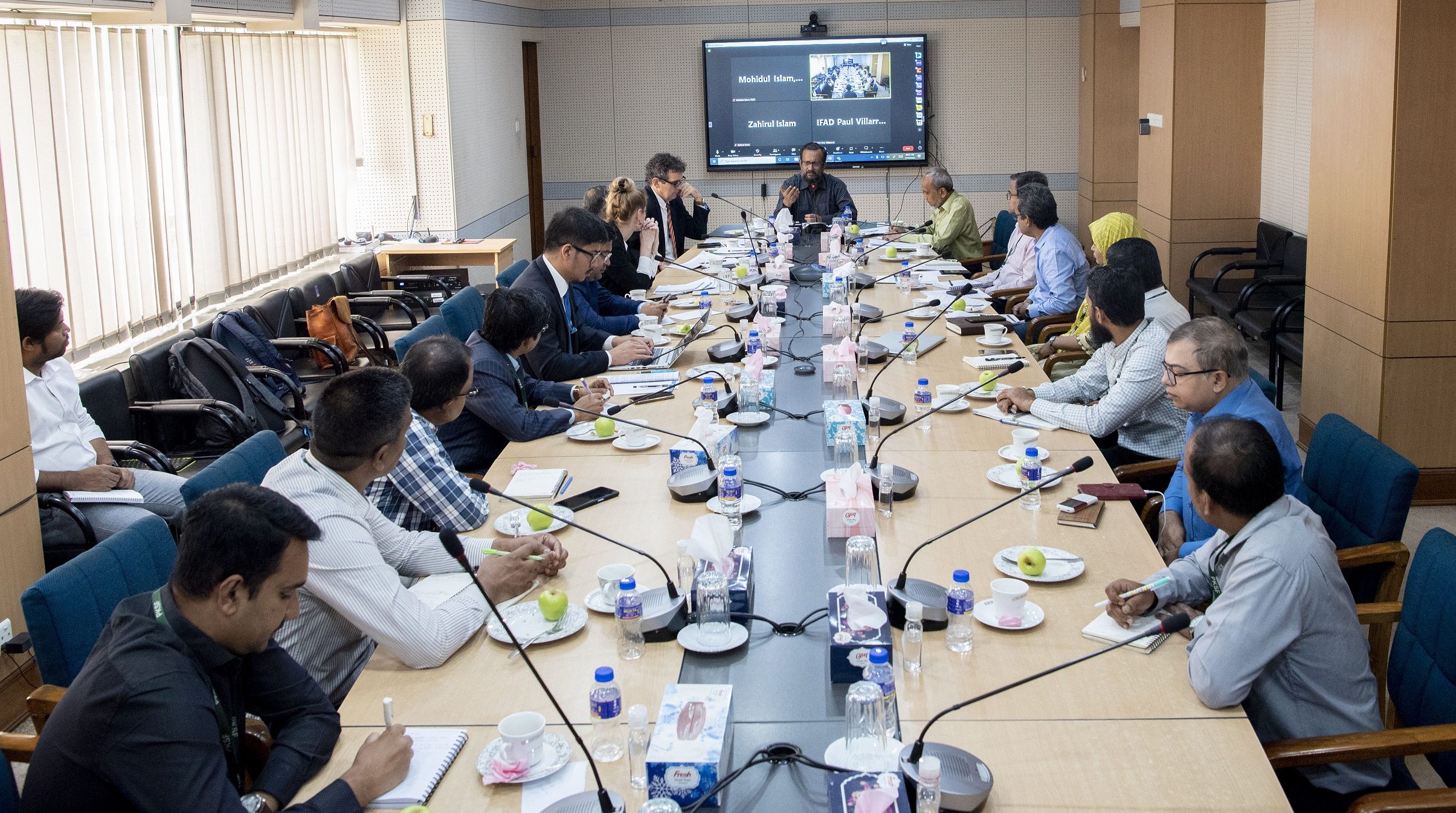
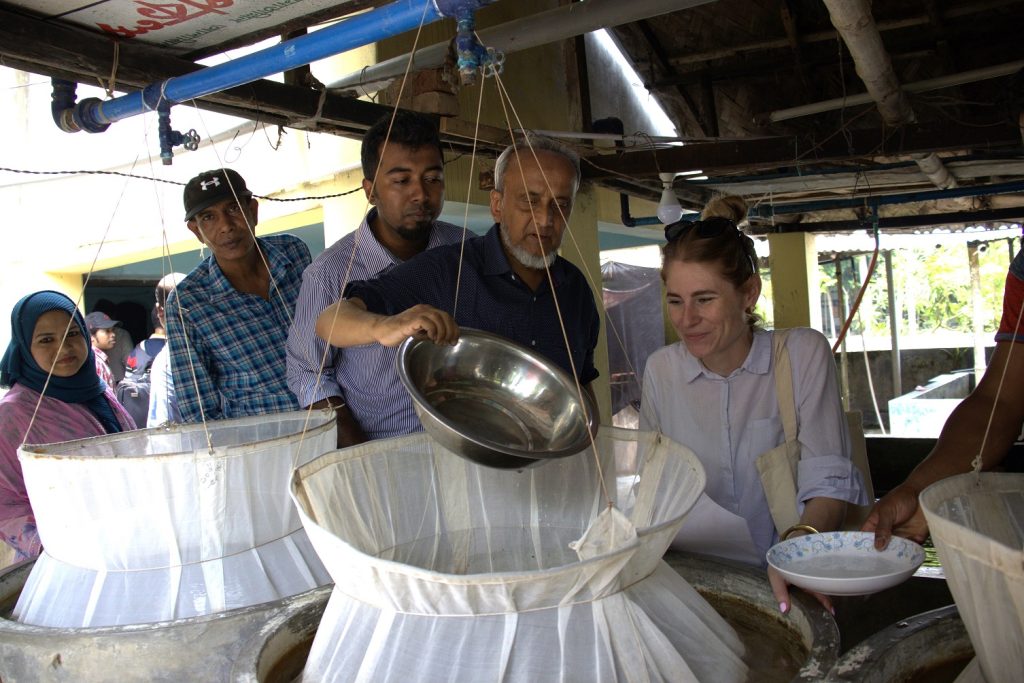
The kick-off meeting of the mission was held on 8 May 2023, chaired by Dr Akand Md Rafiqul Islam, Senior General Manager of PKSF and Project Coordinator of the RMTP project. During the meeting, the PMU of the RMTP gave a detailed presentation on the project. Additionally, the ISM team visited various value chain and microenterprise activities in Barishal and Patuakhali districts from 9 to 11 May 2023. They thoroughly reviewed the progress of different value chain interventions and assessed cross-cutting activities including gender, environmental sustainability, nutrition, and the overall sustainability of the value chain interventions under the project.
The ISM team expressed satisfaction over the field interventions and the utilization of various technologies in the value chain interventions. The team also provided the necessary recommendations.
The wrap-up meeting of the mission was held on 18 May 2023 at PKSF Bhaban, chaired by Md Fazlul Kader, Additional Managing Director of PKSF. PKSF’s Senior GM and PC of RMTP Dr Akand Md Rafiqul Islam and IFAD’s Country Director for Bangladesh Dr Arnoud Hameleers, and other officials from IFAD and RMTP also attended the meeting.
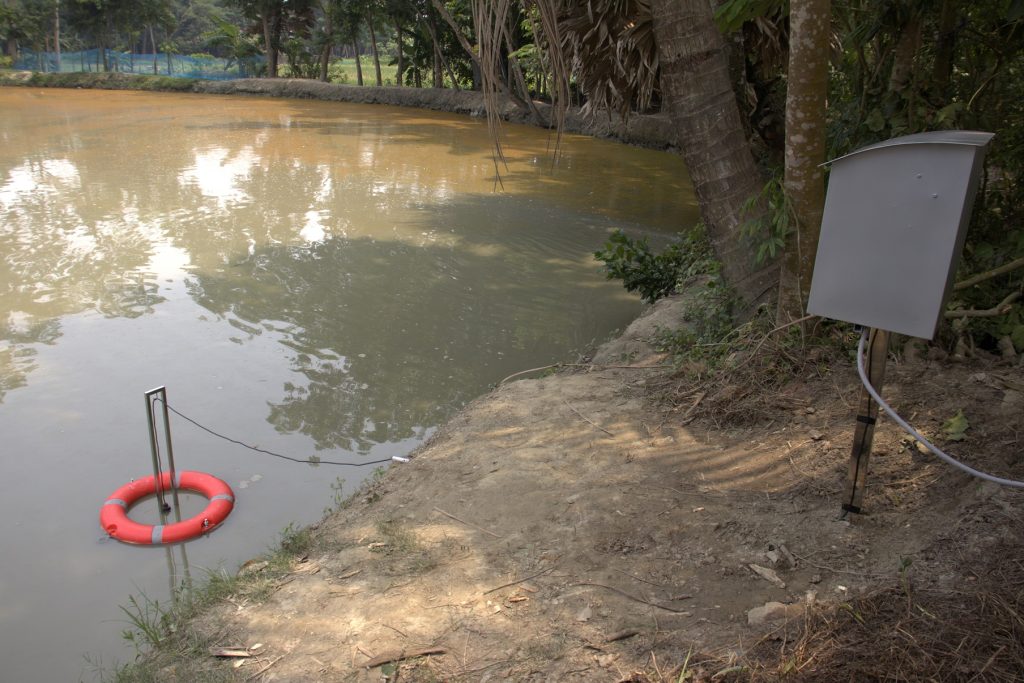
Mission Leader Dewan A H Alamgir shared the findings and recommendations of the mission. He highly lauded the successful interventions of the project including semi-intensive fish culture, the use of IoT in fish farming, black soldier fly for alternative fish feed, vermicompost production, and the development of different processed products in the dairy, meat, and fish sectors. Moreover, the mission emphasized the importance of proper documentation of the project’s successes and the timely implementation of all cross-cutting issues.
Md Fazlul Kader, AMD of PKSF congratulated the PMU for the overall achievements of the RMTP project and emphasized the documentation of the best practices of the project.
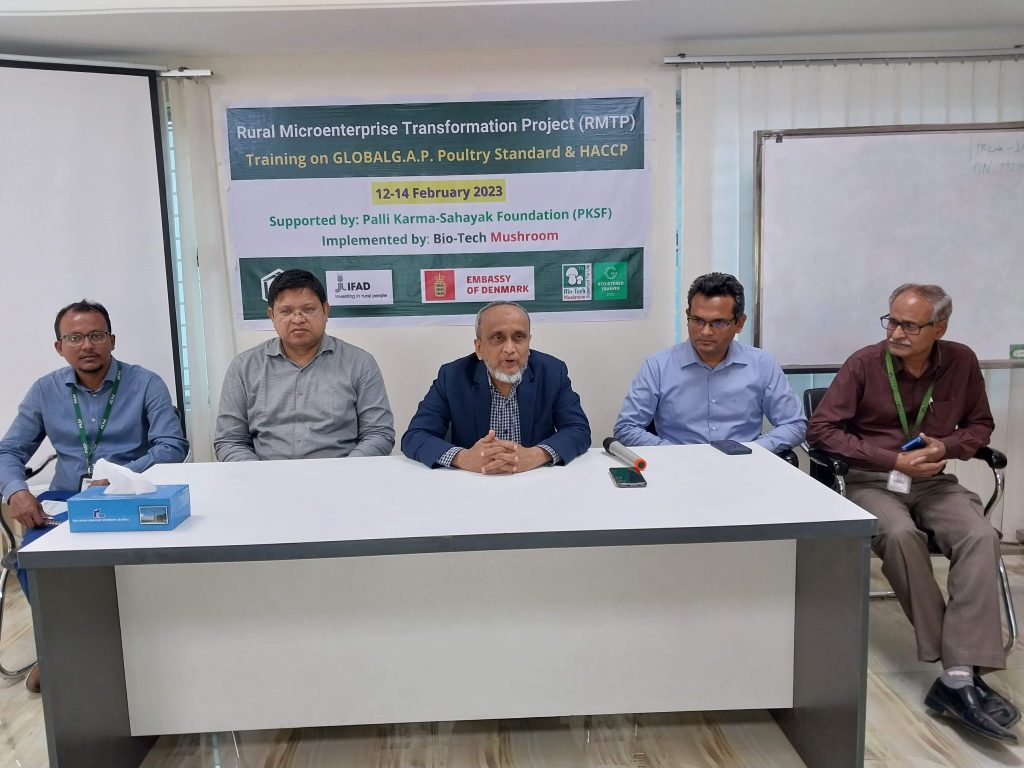
ToT on Global GAP-Poultry Standard organized
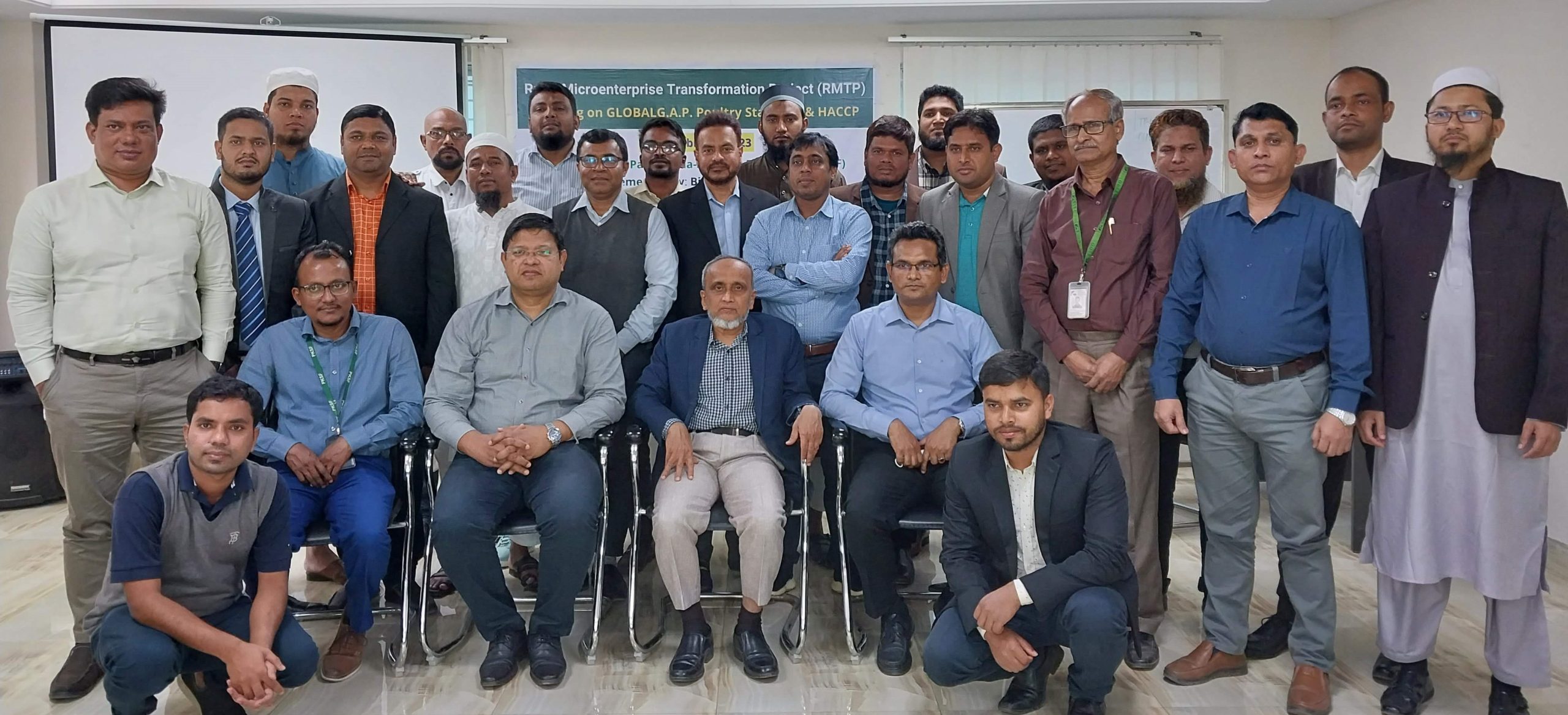
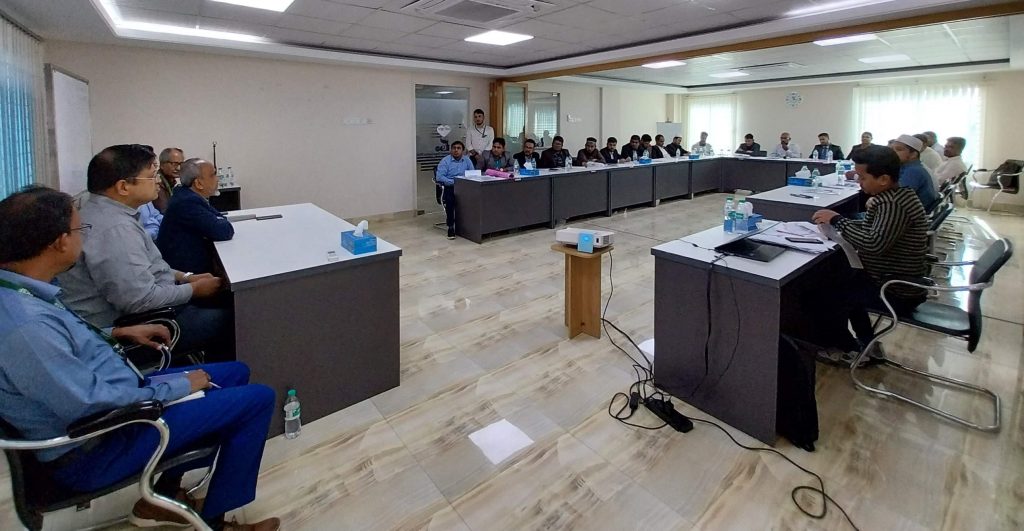
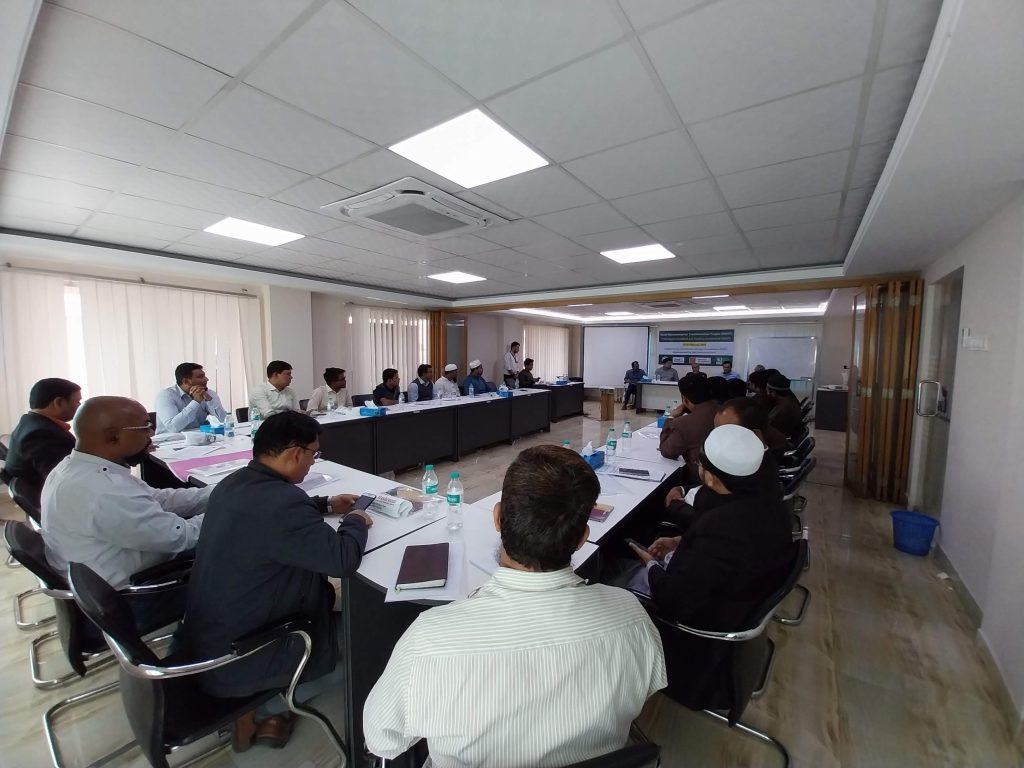
A three-day long training titled on Global GAP-Poultry Standard was recently organized at Dhaka for Veterinary Practitioners. This is the first-ever initiative in Bangladesh under Rural Microenterprise Transformation Project (RMTP), supported by the International Fund for Agricultural Development (IFAD), the Danish International Development Agency (DANIDA), and the Palli Karma-Sahayak Foundation (PKSF), to ensure safe meat and egg for the consumers.
PKSF and Biotech Masroom organized the program which was held from February 12th to 14th. Attending the event were 25 participants led by trainers Dr. Md. Arif Mahmud, Basetchana Francina Thabane and Dr. Susita. They discussed topics such as broiler chicken rearing, safe poultry farm construction, safe feed and water management, and food safety.
At the closing ceremony, Dr. Akand Md. Rafiqul Islam, Senior General Manager of PKSF and Project Coordinator of the RMTP Project, expressed the importance of providing training on good agricultural practices in Bangladesh to ensure safe food. According to him, it is only when food is safe that a nation can be strong and well-nourished.
Trainer Mahmud echoed his sentiments, adding that through this kind of training, the country’s farmers can be encouraged to produce safe poultry products and raise chickens even at a marginal level with proper guidance and education on good agricultural practices.
Denmark Ambassador to Bangladesh visits tulip garden in Tetulia
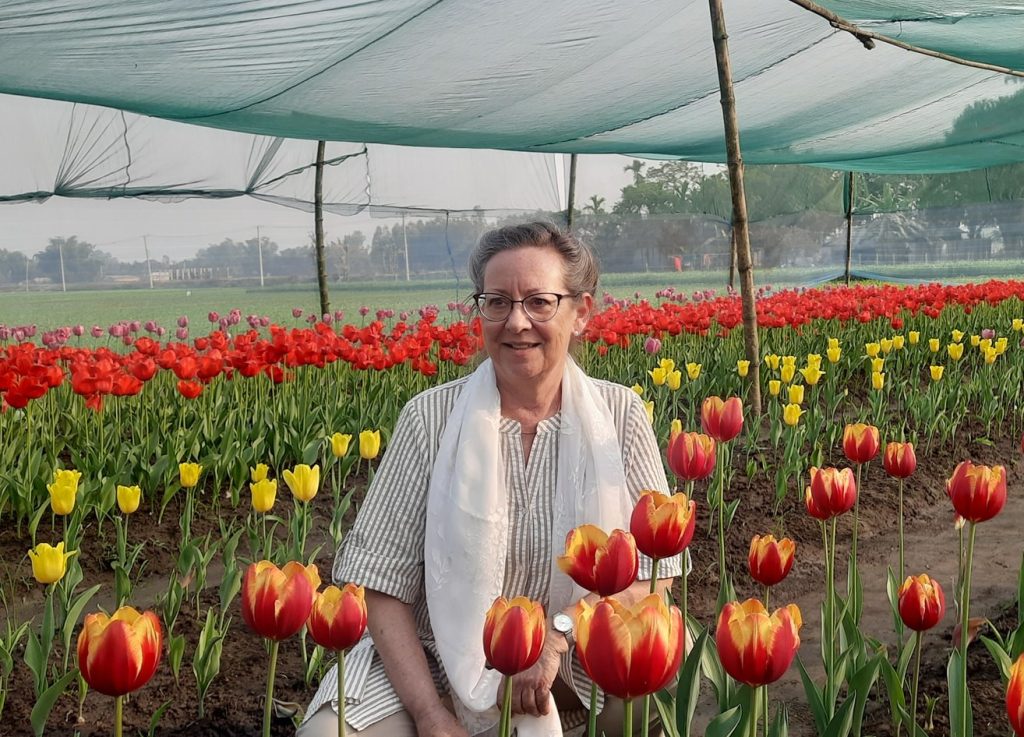
Denmark Ambassador to Bangladesh H.E. Winnie Estrup Petersen visited a tulip garden at Tetulia in Panchagarh on 13 February 2023. Twenty flower growers of Dorjipara village welcomed the Ambassador with tulip flowers. IFAD Country Director of Bangladesh Arnoud Hameleers, PKSF Senior General Manager and Project Coordinator of RMTP Dr Akond Md Rafiqul Islam, ESDO Executive Director Dr Md Shahid Uz Zaman, and Tetulia Upazila Nirbahi Officer (UNO) Sohag Chandra Saha accompanied Ambassador Petersen during the visit.
Ambassador Petersen said, “I am delighted to see the tulip cultivation in Bangladesh. These kinds of flowers usually grow in countries with cold climates. I appreciated the farmers and the initiators for growing tulip in this remote area of Bangladesh. I hope that in the future they will expand the tulip cultivation and make it a profitable venture.”
Ambassador Petersen was delighted to learn that a tulip variety was named as Denmark Variety. She highly commended the efforts of the tulip growers, Palli Karma-Sahayak Foundation (PKSF), and the latter’s Partner Organization Eco-Social Development Organization (ESDO) through which a sub-project titled ‘Assess the feasibility of expanding tulip cultivation in the northern part of the country’ is being implemented.
IFAD Country Director Arnoud Hameleers spoke with the female flower growers. “I am amazed to see the tulip here in Dorjipara. I feel as if I am in my own home,” said the Dutch-born development leader. “Tulip can be a special flower for special day celebrations in Bangladesh. Tulip can strengthen the bond between Netherlands and Bangladesh friendship,” he added.
On 11 January 2023, the 20 farmers collectively sowed 1,00,000 tulip bulbs for cultivation on two acres of land. Last year, eight female farmers were engaged in tulip cultivation and they used 40,000 bulbs on 40 decimals of land in three separate places.
This season, the farmers planted 10 tulip varieties – Antarctica (white), Denmark (orange), Lalibela (red), Dutch Sunrise (yellow), Strong Gold (yellow), Zantupink (pink), White Marvel (white), Mystic van Eijk (pink), Happy Generation (white-red), and Golden Ticket (yellow).
Bengali media report on this event:
Signing of MoU for the Expansion of Artificial Insemination Services for Buffalo, Sheep, and Goats
A Memorandum of Understanding (MoU) was signed to increase milk and meat production by providing artificial insemination services for buffaloes, sheep, and goats across the country. The MoU was signed by representatives from the Palli Karma–Sahayak Foundation (PKSF) and the BRAC Artificial Insemination Enterprise in Dhaka.
Under the agreement, the project will establish a supply chain network of quality frozen semen in 185 unions of 36 Upazilas, with the goal of enhancing animal productivity and reproductive capacity by providing artificial insemination services for livestock farmers.
At the Memorandum of Understanding (MoU) signing event, the Assistant General Manager of the Programme of (PKSF), Mr. Habibur Rahman, the Sector Value Chain Specialist, Dr. ASM Niaz Mahmood, the Deputy General Manager of BRAC, Dr. Farukhul Islam, and representatives from eight Partner Organizations of PKSF were present.
Habibur Rahman stated at the meeting that PKSF is collaborating with the government to address the Sustainable Development Goals (SDGs). Their main objective is to ensure safe and nutritious food and eradicate poverty. The Rural Micro Enterprise Transformation Project (RMTP) aims to extend the financial services of microenterprises to increase the income, food security, and nutrition status of marginal farmers, entrepreneurs, and other market actors involved in value chain interventions of agricultural products. He also mentioned that BRAC Artificial Insemination Enterprise may play a significant role in the dairy and meat production sector across the country by offering high–quality frozen buffalo, sheep, and goat semen at a reasonable price.
PKSF Launches ‘RMTP-Project’ to Boost Microenterprise Sector
As a major boost to Bangladesh’s microenterprise sector, Palli Karma-Sahayak Foundation (PKSF), an apex development agency of the country, has floated a new project titled ‘Rural Microenterprise Transformation Project (RMTP)’. The six-year project, jointly financed by PKSF, the International Fund for Agricultural Development (IFAD), and the Danish International Development Agency (DANIDA), was launched on 23 August 2020.
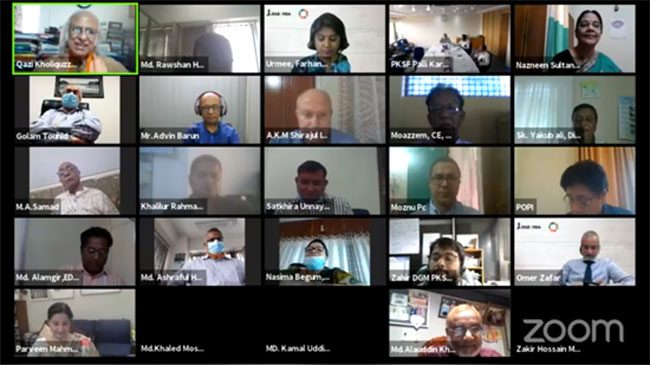
Mr Md Ashadul Islam, Senior Secretary of the Financial Institutions Division, Ministry of Finance was the Chief Guest at the RMTP’s virtual launching ceremony presided over by PKSF Chairman Dr Qazi Kholiquzzaman Ahmad. Mr Mohammad Moinuddin Abdullah, Managing Director of PKSF, delivered the welcome remarks, and Deputy Managing Director Mr Md Fazlul Kader presented on the different aspects of the project. HE Ms Winnie Estrup Petersen, Ambassador of the Royal Danish Embassy to Bangladesh, and IFAD’s Country Director Mr Omer Zafar attended the meeting as the Guests of Honor. Besides, members of PKSF’s Governing Body and officials of PKSF and its Partner Organizations (POs) exchanged views at the event where they stressed on the need for proper implementation of the project for effective expansion of the country’s microenterprise sector.
Describing the RMTP as a time-befitting project, Senior Secretary Mr Md Ashadul Islam said that development of microenterprises is crucial for the country’s overall economy. Ensuring adequate financing for marginal producers and micro-entrepreneurs is a big challenge and this project, which goes in line with the government’s development strategy, will help address this challenge, he commented. Terming PKSF ‘an iconic institution’ in development operations in Bangladesh, the Senior Secretary said PKSF’s POs have proven efficiency in implementing similar projects like the RMTP. He also hoped that this project will help ensure sustainable expansion of marginal microenterprises.
Highlighting Denmark’s experience in working in Bangladesh as a development partner, Danish Ambassador Ms Winnie Estrup Petersen said supporting small farmers to increase agricultural productivity and output have positive impacts on household income growth, poverty reduction and food security. “The RMTP supports marginal and small farmers, farmer groups, micro-entrepreneurs and agri-businesses to improve their operation and develop commercially beneficial linkages within selective commodity value chains. The RMTP will combine financial and non-financial services to create the best possible impact to enhance incomes and reduce poverty,” she noted.
Mr Omer Zafar, Country Director of IFAD said, “IFAD is delighted to invest in this project with its trusted partners PKSF and DANIDA. The RMTP will strengthen the rural microenterprise sector by applying a value chain approach bringing together all actors – micro-entrepreneurs, input suppliers, technical services, microfinance institutions, non-banking financial institutions, agribusinesses, processors, wholesalers and retailers. Investments will focus on nutritious high value horticulture, livestock, and aquaculture commodities complying with food quality and safety standards, as well as non-farm products and services. A transactional and informational digital platform will also be developed to seamlessly link supply chain stakeholders. The RMTP will generate multiple social, nutritional, financial, economic and institutional benefits for some 450,000 microenterprises representing two million rural women, men and youth, and will create productive jobs for many more.”
PKSF Chairman Dr Qazi Kholiquzzaman Ahmad said that Bangladesh’s economy is still largely rural and agriculture-based, and 80 percent people are working in the informal sector. To transform this, appropriate financing along with technology transfer, training, market expansion, and forward and backward linkages are required, he commented. The eminent economist further said that the rural people won’t need to migrate elsewhere for work if appropriate employment opportunities through microenterprises can be generated in their areas. Referring to the March 7 speech of the Father of the Nation Bangabandhu Sheikh Mujibur Rahman, Dr QK Ahmad said PKSF’s operations in the grassroots are helping ensure the socio-economic emancipation of people as enunciated in the historic speech. He thanked the IFAD and the DANIDA for financing the project.
In the welcome speech, PKSF Managing Director Mr Mohammad Moinuddin Abdullah said that PKSF has been implementing the Microenterprise Program since 2001 as one of its core programs to expedite poverty reduction by creating self and wage employments. He remarked that the RMTP would accelerate poverty alleviation by expanding microenterprise activities in the agricultural sector. Along with financial services, the project will provide various technical and technological support to micro-entrepreneurs, he noted.
In his presentation on the new project, PKSF Deputy Managing Director Mr Md Fazlul Kader said that value chain development, financial services, and institutional capacity development support will be provided for the promotion of agricultural products under three major farm sectors — livestock and poultry, crops and horticulture, and fisheries and aquaculture. He informed that the total fund of the project, which will directly benefit 0.45 million micro-entrepreneurs across the country, stands at $200 million, in which IFAD’s contribution is $81 million and DANIDA will provide $8.30 million. PKSF, its POs concerned, non-bank financial institutions, entrepreneurs and private sector organizations will join hands to accumulate the rest of the fund. This new project will use different innovative technologies to further widen the scope of agricultural activities. Apart from initiating farming activities based on Internet of Things (IoT) and Artificial Intelligence (AI), the project will adopt Blockchain technology to ensure more transparency in the management of financial services. A crowdfunding platform will be launched to create opportunities for equity financing for the microenterprises, he informed.
Mr Kader also highlighted the project’s key focus areas which include production and market expansion of safe agricultural produce and improvement of the nutritional status of the producers and the consumers alike. The project will provide support for the production of agro-products in compliance with the Global Good Agricultural Practices (GGAP) and the Hazard Analysis and Critical Control Points (HACCP) protocols. Traceability and certification of agricultural products will be introduced for the branding of agricultural products. Cultivation of different high-value fruits and crops such as avocado, mangosteen, dragon fruit, coffee beans, Barhi dates, hazelnut, cashew nut etc will be introduced to increase productivity and income of the farmers.
Prior to the RMTP, PKSF undertook four projects with the financial support of IFAD — Microfinance and Technical Support Project (MFTSP), Microfinance for Marginal and Small Farmers Project (MFMSFP), Finance for Enterprise Development and Employment Creation (FEDEC) and the ongoing Promoting Agricultural Commercialization and Enterprises (PACE) project.
Participating in the discussion, the representatives of PKSF’s POs expressed their enthusiasm to implement the RMTP under the supervision of PKSF. They mentioned that they were fully capable of attaining the goal and objectives of the RMTP, as they already had substantial experience in taking part in the implementation of previous projects such as PACE. Lauding PKSF’s transparent and efficient management in project implementation, they expressed their hope that the POs, guided by PKSF, will be able to implement all field activities smoothly of this multi-faceted project for microenterprise development that includes financial services, business cluster-based value chain development, innovative technologies like blockchain, e-commerce, crowdfunding platform, branding, market expansion, traceability and certification of the products of microenterprises.
ToT on GGAP and HACCP organized
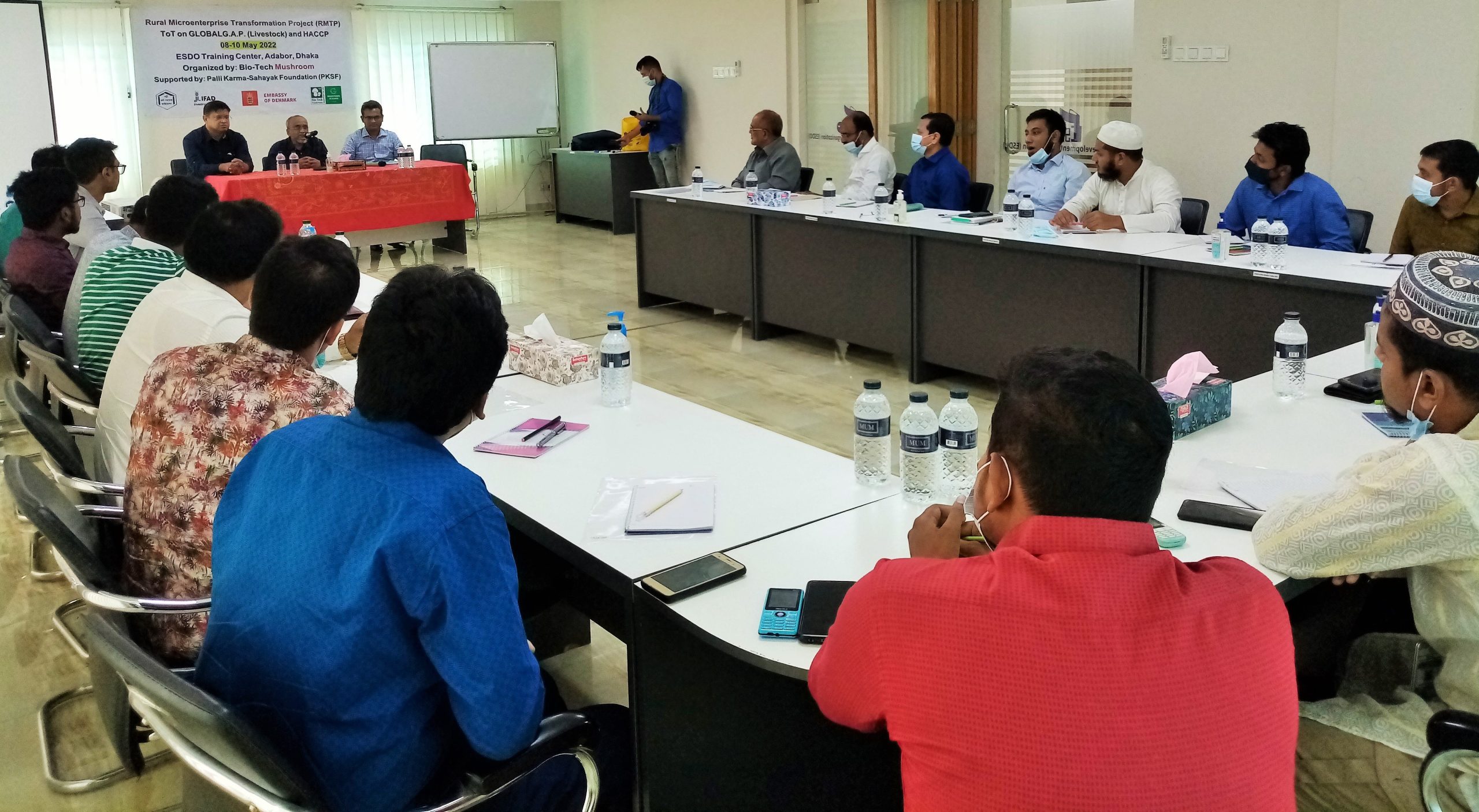
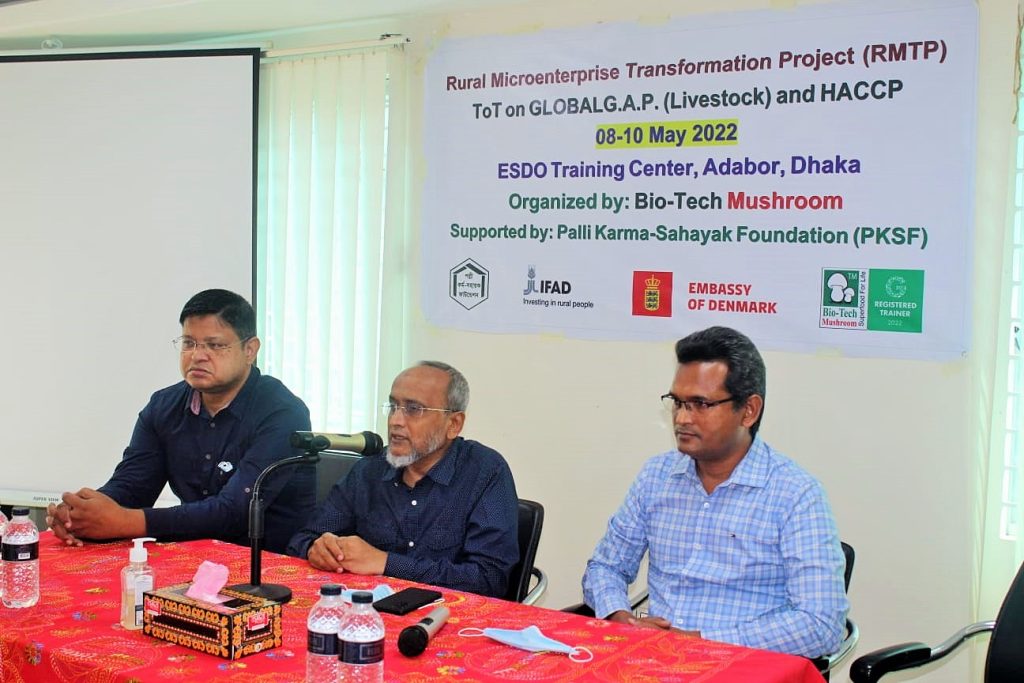
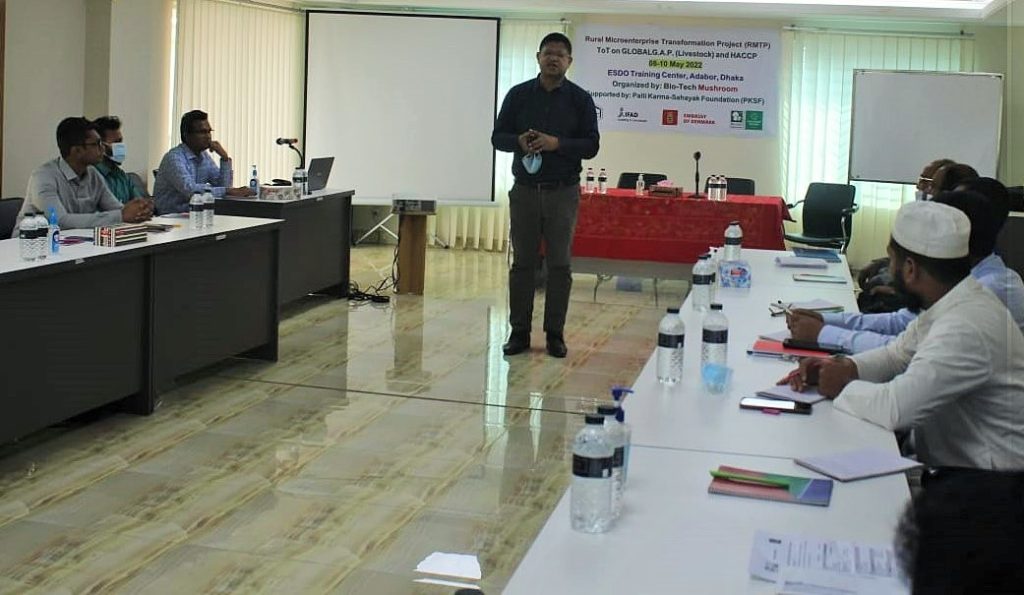
PKSF, IFAD and DANIDA supported Rural Microenterprise Transformation Project (RMTP) is going to introduce Good Agricultural Practices (GAP) and Hazard Analysis and Critical Control Points (HACCP) protocols in agricultural productions and agro-processing to promote safe and nutritious food in the country. Trained experts need to be developed to attain this objective. In this regard, The Training of the Trainers course was organised on 8-10 May 2022 at ESDO training centre, Dhaka on the said topics.
The Training of the Trainers course discussed general concepts, protocols, and certification processes regarding GGAP and HACCP. The course emphasized ensuring safe and nutritious agro-products for the consumption of people and expanding their demands in national and international markets. Globally accepted certification is a must to export agro products in international markets.
In his inaugural speech, the Project Coordinator of RMTP Dr Akond Md. Rafiqul Islam, Senior General Manager (Programme), PKSF informed that RMTP is intervening in the value chains of high-value agricultural commodities of three major sectors viz. livestock & poultry, crops & horticulture, and fisheries & aquaculture. RMTP would focus on ensuring safe agro-products for the greater interest of protecting human health, which requires following internationally accepted production and processing procedures like GGAP and HACCP.
A total of 20 participants from different partner organizations of PKSF, universities, and service providing organizations participated in the Training of the Trainers course. Dr Arif Mahmud and Ms Basetsana Thabane GGAP and HACCP specialists conducted the sessions in the training course.
MoU Signing on farm mechanization and modernization of the processing sector
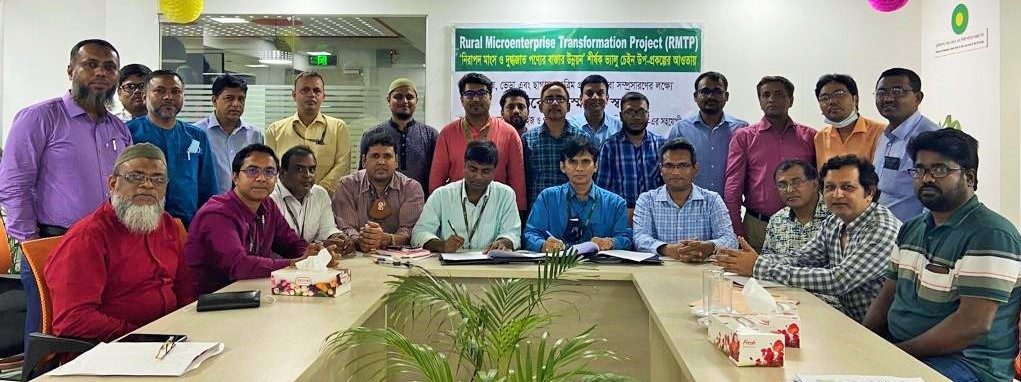
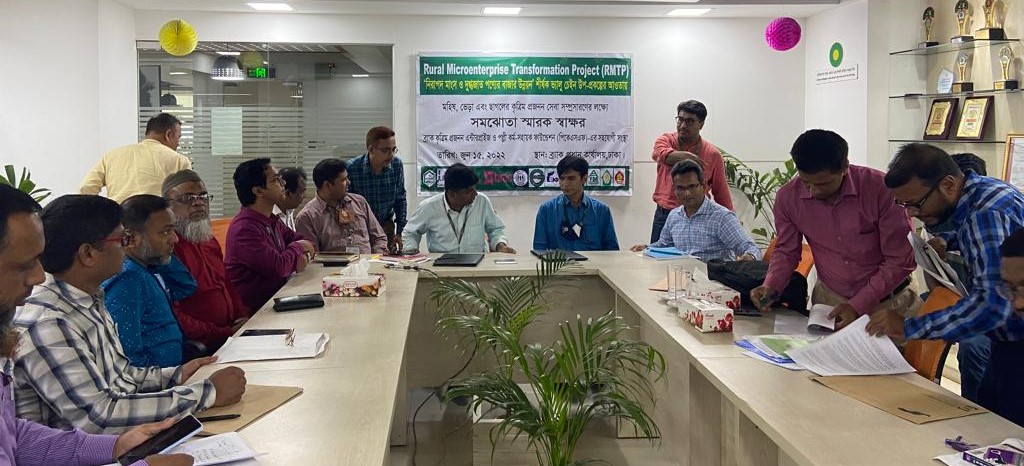
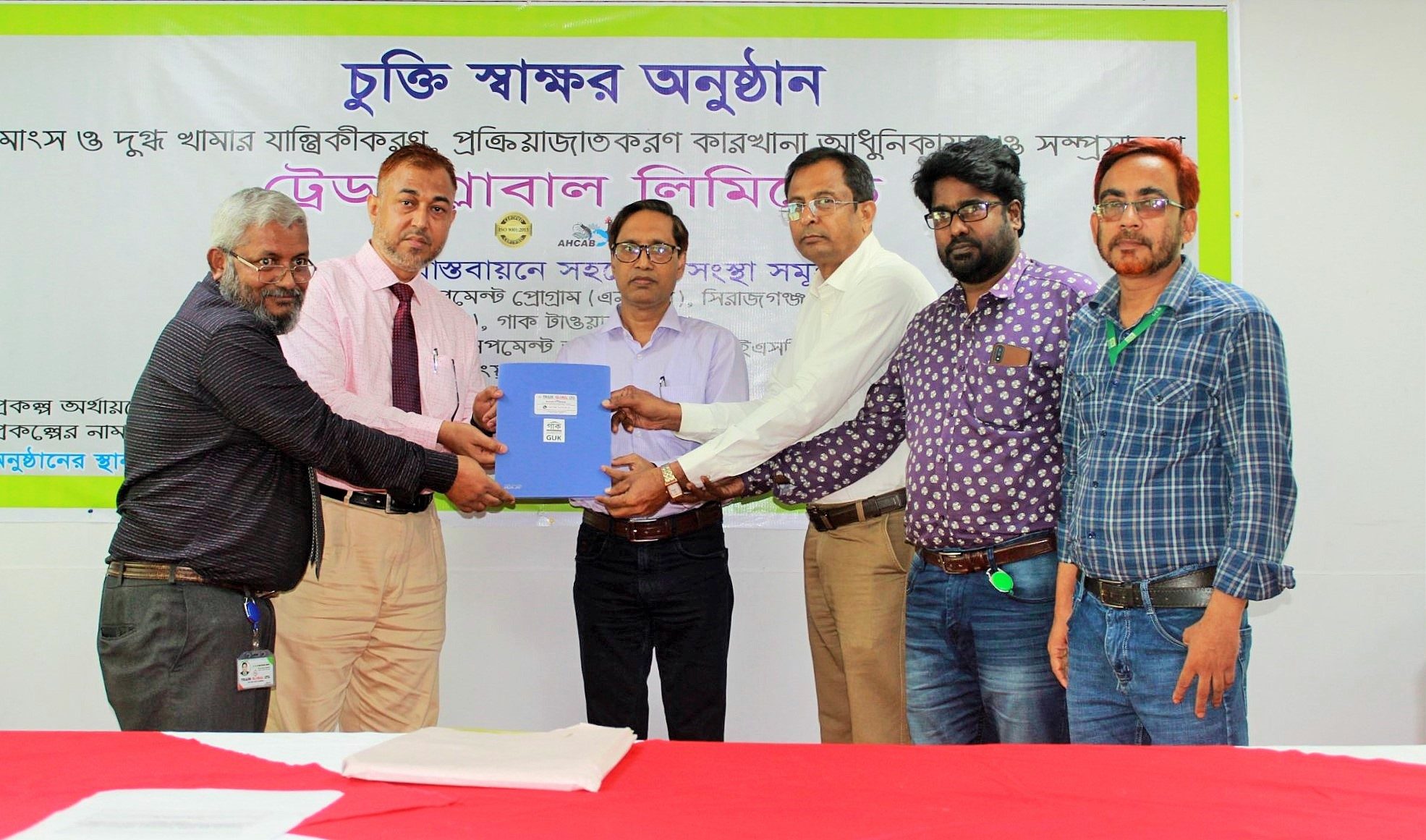
A memorandum of understanding was signed in Dhaka on Saturday between the eight POs of Palli Karma-Sahayak Foundation (PKSF) and Trade Global Limited for increasing the production of animal products and reducing production costs to make it a profitable sector. The main objective of the agreement is to transform the related businesses into profitable businesses through the development of sales and service centers in 36 Upazilas of 12 districts in the area of PKSF’s Rural Microenterprise Transformation Project (RMTP) through the modernization of the farm mechanization, dairy and meat processing sector at the village level.
At the MoU signing event, Dr. SM Niaz Mahmud, Sector Value Chain Specialist (Livestock) of PKSF, Managing Director of Trade Global Limited Golam Rabbani and Executive Director Mr. AQM Shafiqur Rauf, and the Executive Heads of eight POs of PKSF.
SM Niaz Mahmood said at the meeting that we are collaborating with the government to address the SDGs’. Our main goal is to ensure safe and nutritious food and eradicate poverty. Rural Micro Enterprise Transformation Project (RMTP) aims to extend the financial services of microenterprises to increase the income, food security, and nutrition status of marginal farmers, entrepreneurs, and other market actors involved in value chain interventions of agricultural products. And with this initiative, Trade Global Limited will provide modern technology products for farm mechanization at affordable prices to small entrepreneurs.
RMTP project is implementing eight value chain sub-projects on “Market system development of safe meat and dairy products” in the livestock sector.
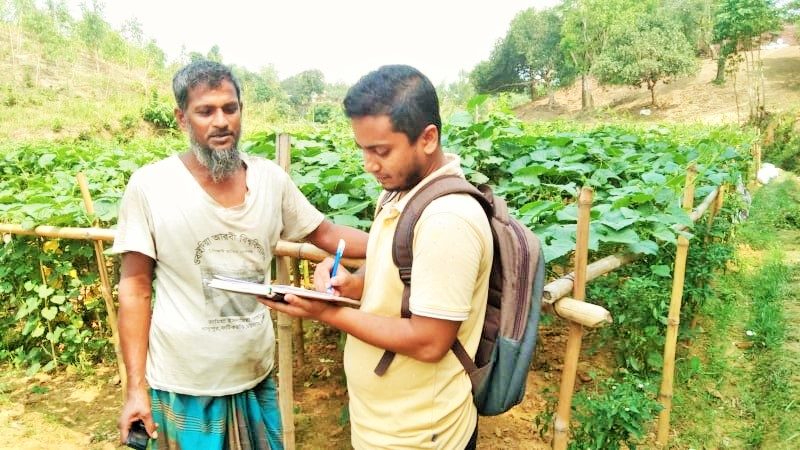
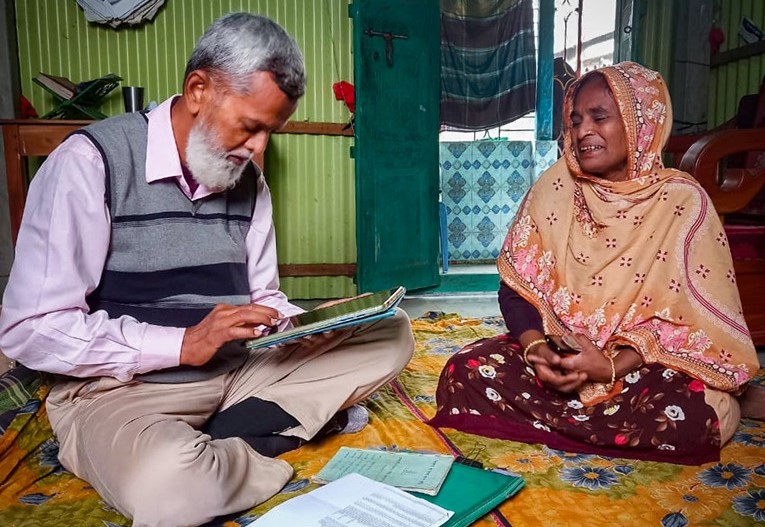
Project participant selection through KoBo App
The RMTP is currently implementing 65 value chain sub-projects across the country. In order to select project participants effectively and appropriately, data are being collected through the project-implementing POs using KoBo Toolbox. The project participants are chosen from diverse segments of society, including men, women, youths, socially excluded individuals, extremely poor, poor, transitional poor and enterprising poor. The data gathered through KoBo can be utilized to track the individual progress of participants throughout the project’s lifecycle.