

Tag: IFAD

05 (3)
News & Events

Country’s first agro-ecophysiology lab launched to tackle climate challenges

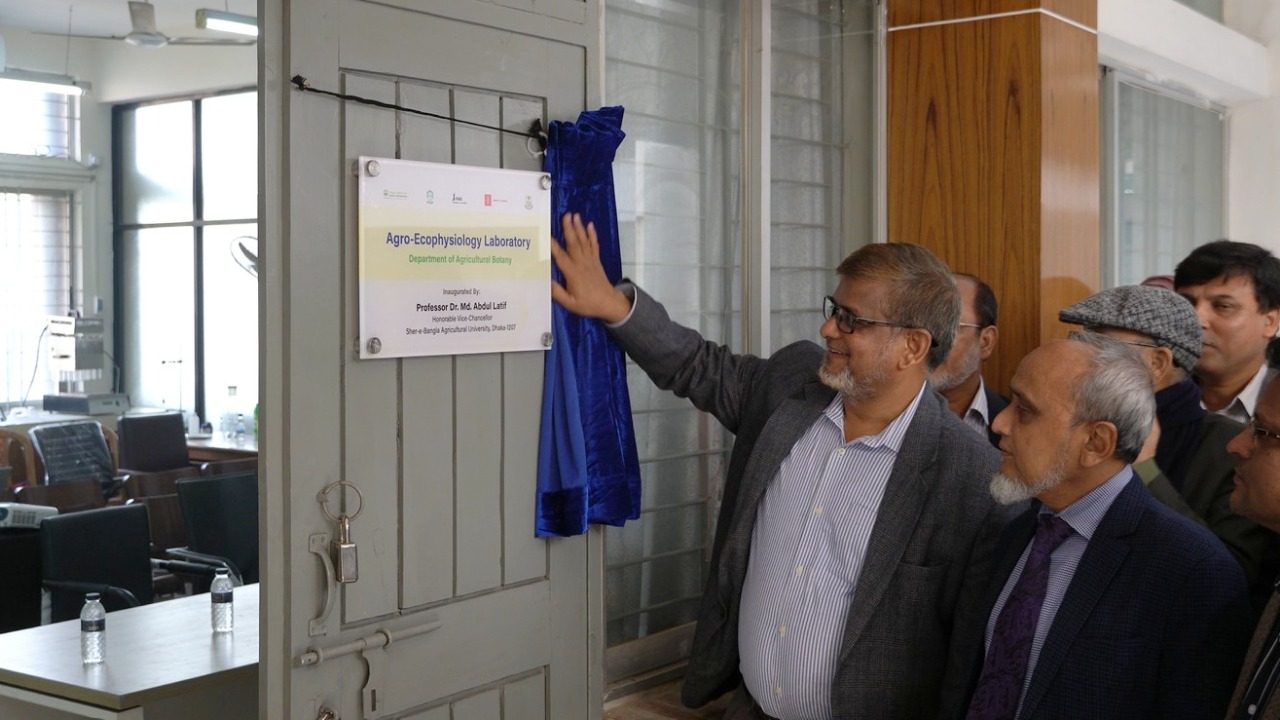
Bangladesh recorded an important advancement in agricultural research as Sher-e-Bangla Agricultural University (SAU) has recently set up the country’s first Agro-Ecophysiology laboratory on its campus. The laboratory, established with financial support from Palli Karma-Sahayak Foundation (PKSF), was inaugurated on 11 January 2026. The laboratory is expected to play a crucial role in promoting sustainable agriculture by enhancing soil health and supporting the production of safe and nutritious food amid climate change challenges. The laboratory was inaugurated at the Dr. Kazi Badruddoza Research Centre of SAU by the Vice-Chancellor, Professor Dr. Md. Abdul Latif. 
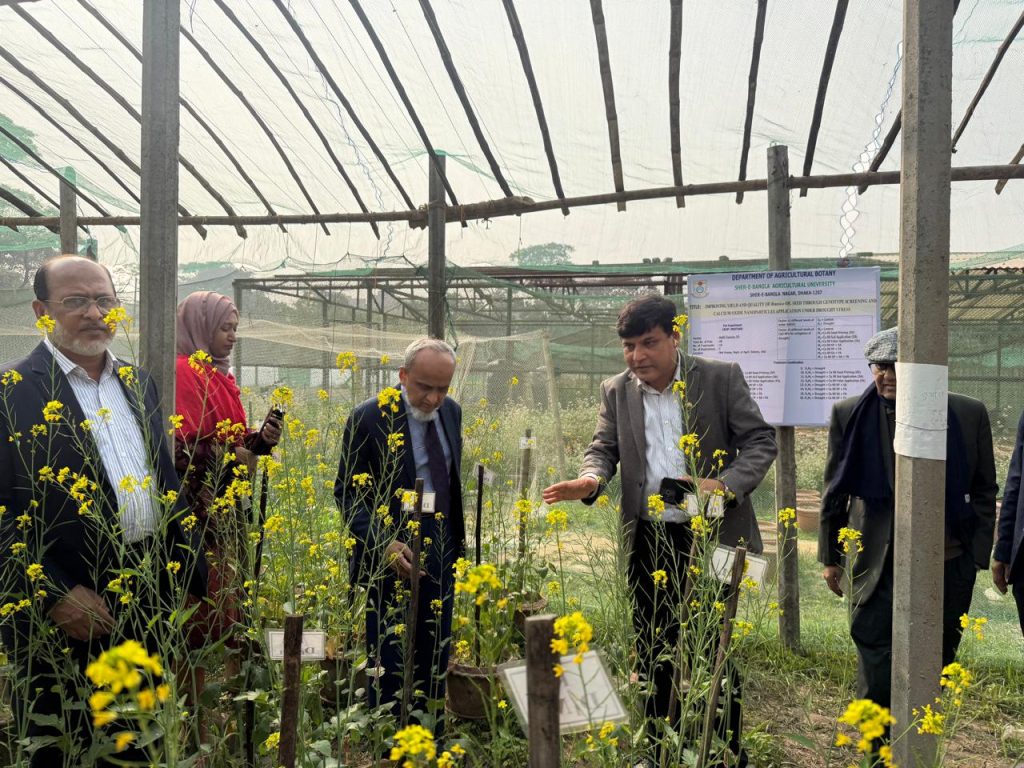
PKSF’s Deputy Managing Director, Dr. Akond Mohammad Rafiqul Islam, attended the event as special guest. Speaking at the ceremony, he highlighted that while research enjoys substantial funding in many countries, Bangladesh faces significant limitations in this area. Despite these constraints, he reaffirmed PKSF’s commitment to ensuring that research activities at agricultural universities continue uninterrupted, with PKSF extending all possible support within its capacity.

Equipped with modern instruments, the laboratory will enable precise analysis of nutrient levels and harmful elements in soil and plants. It will facilitate the assessment of plant responses under stress conditions and support the application of smart agriculture technologies, including organic soil inputs and nanotechnology to improve soil health. These initiatives are expected to enhance crop productivity while ensuring food safety and nutritional quality.

SAU Vice-Chancellor Professor Dr Md Abdul Latif, Treasurer Professor Md. Abul Bashar, Dean (Post-Graduate) Dr M Salahuddin M Chowdhury, , and Director (Planning and Development) Professor Dr Md Sarwar Hossain, among others, were present during the inauguration ceremony.
IMG-20250101-WA0060
News & Events

City Group-Prothom Alo Agriculture Award-2024

RMTP-supported five entrepreneurs awarded

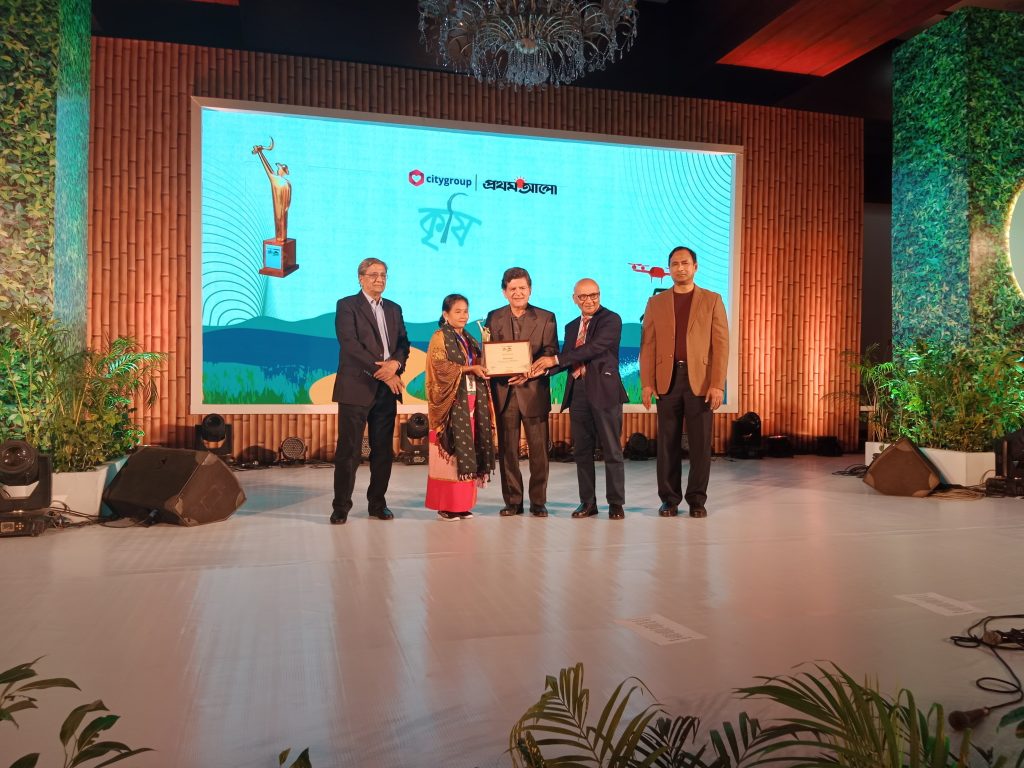
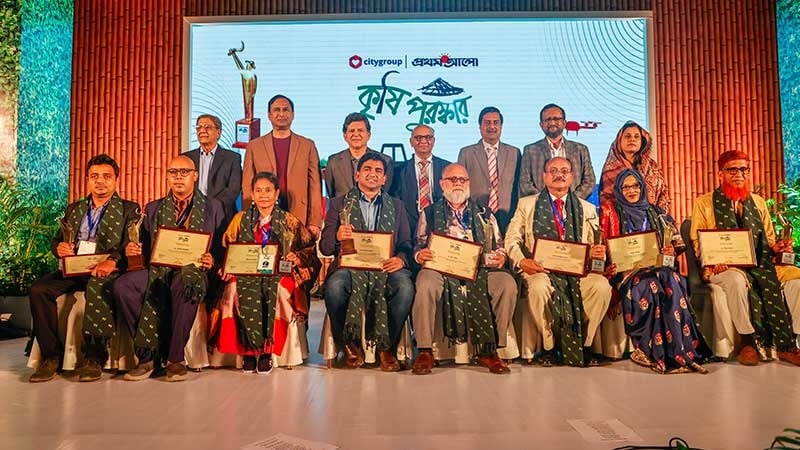
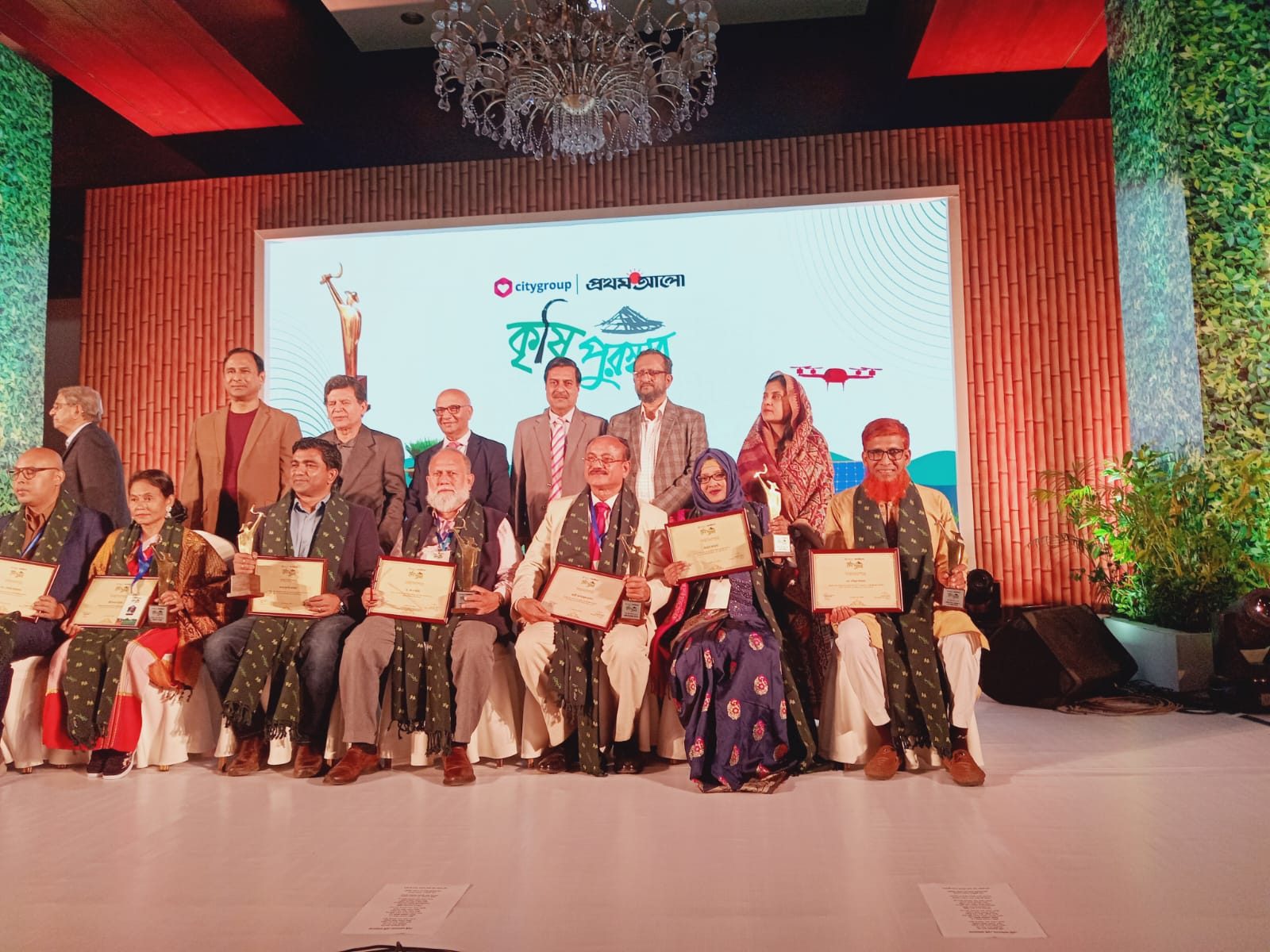
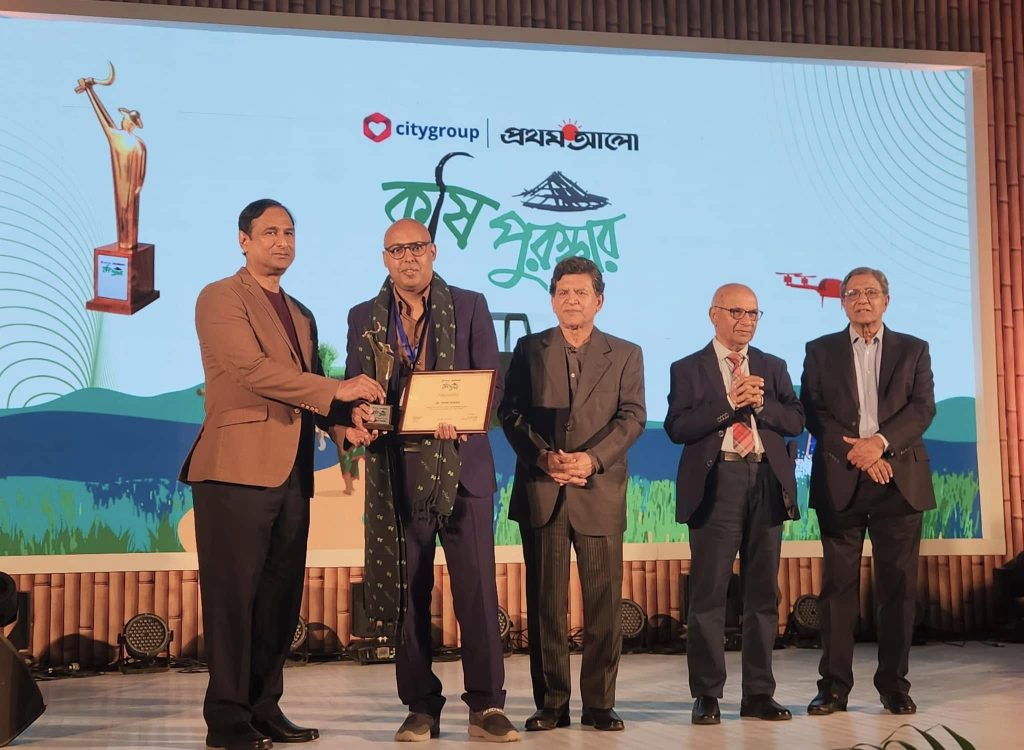
To honor farmers, entrepreneurs, and agricultural scientists, the ‘City Group-Prothom Alo Agriculture Award-2024’ was held on 31 December 2024, at the Pan Pacific Sonargaon Hotel in the capital. A total of 1,064 applications were submitted for the awards. The jury, led by former Vice Chancellor and Professor Emeritus of Bangladesh Agricultural University, Dr MA Sattar Mandal, evaluated the submissions and selected the winners.

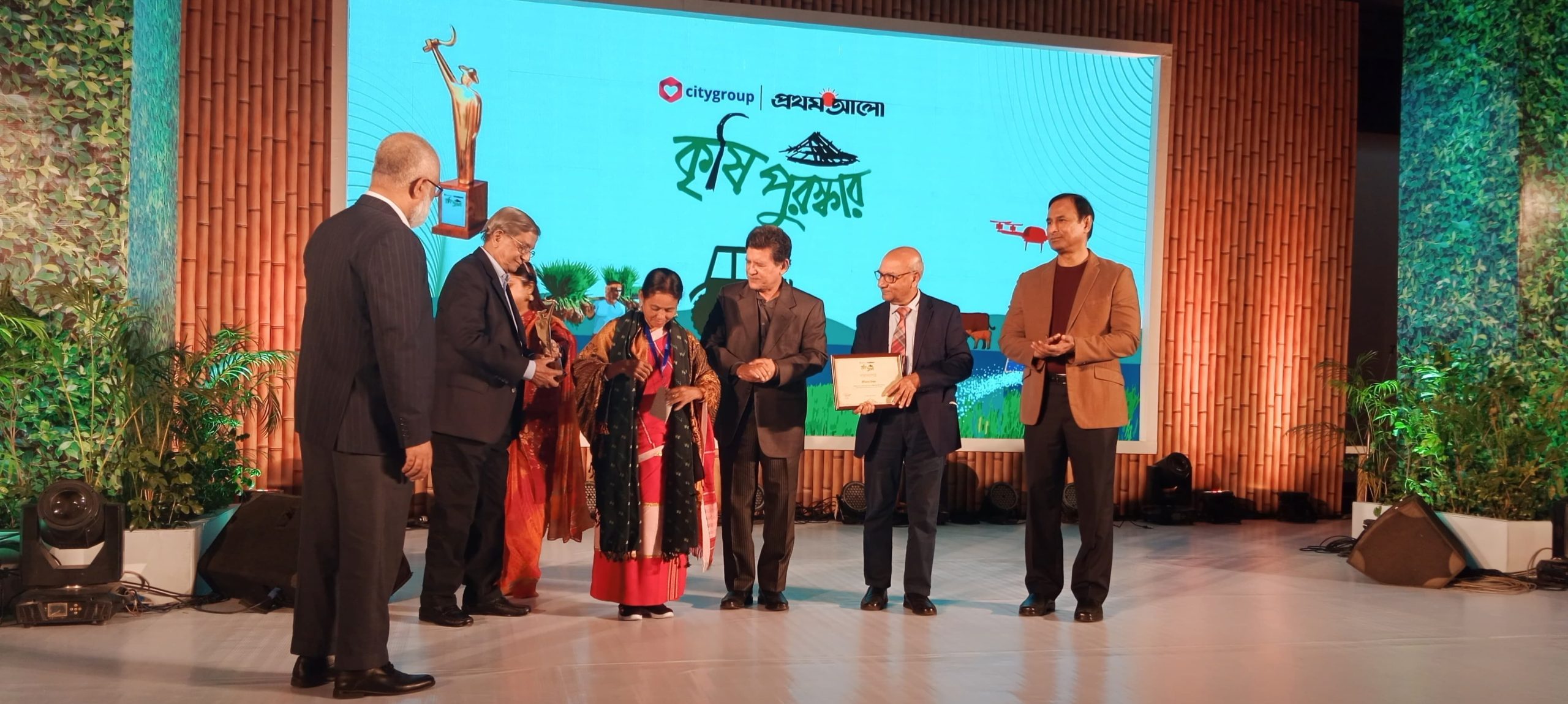
Eight individuals received awards in 6 categories, including a lifetime achievement award. Notably, five of the awardees were supported by PKSF’s RMTP project. Of them, young entrepreneur Md Golam Sarwar from Thakurgaon won in the ‘Best Agricultural Entrepreneur’ category for producing and marketing maize silage as cattle feed. Two RMTP-supported entrepreneurs received the ‘Best Woman in Agriculture’ award. Preetilata Tripura from Koila village in Khagrachari achieved remarkable success in black pepper cultivation. The other winner, Masuma Akter from Bogura, produces beef pickles and exports them to 17 countries. Md Shohidul Islam, another PKSF-supported entrepreneur from Kathalbari, Lalpur, Natore, received the ‘Best Agricultural Brand’ award for his branding of ‘Rosella Tea’. Additionally, Kazi Ashraful Hassan, Executive Director of Society Development Committee, a Partner Organization of PKSF, won the ‘Best Agricultural Innovation’ award for his work in household waste management and the production of organic fertilizer.

The awards were presented by former caretaker government advisor Hossain Zillur Rahman, the Chief Guest of the event. Matiur Rahman, Editor of Prothom Alo, and Zafor Uddin Siddiqui, Executive Director of City Group, handed over the crests to the awardees.

_DSC0295
News & Events

Expansion of small-scale processing of agro-commodities

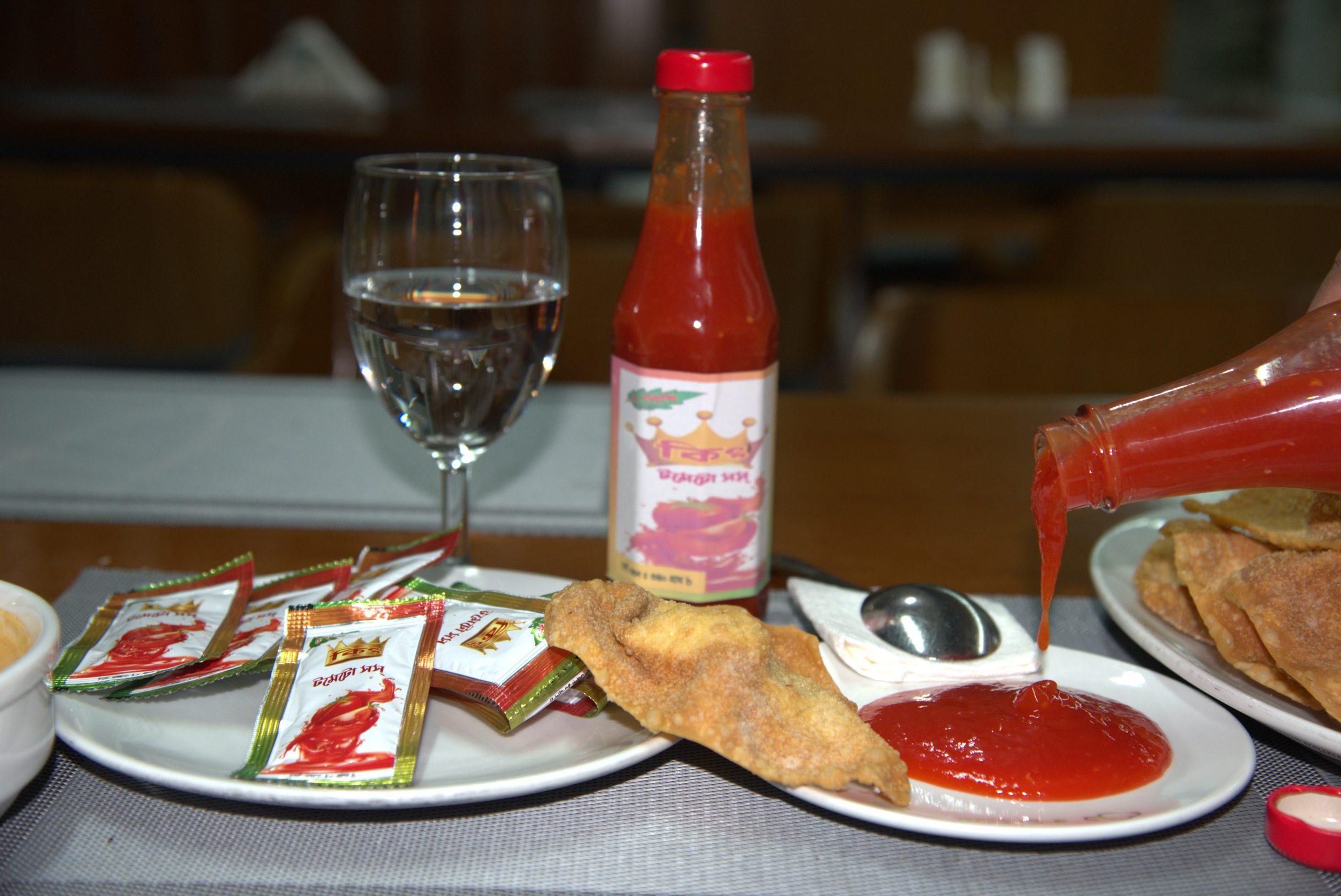
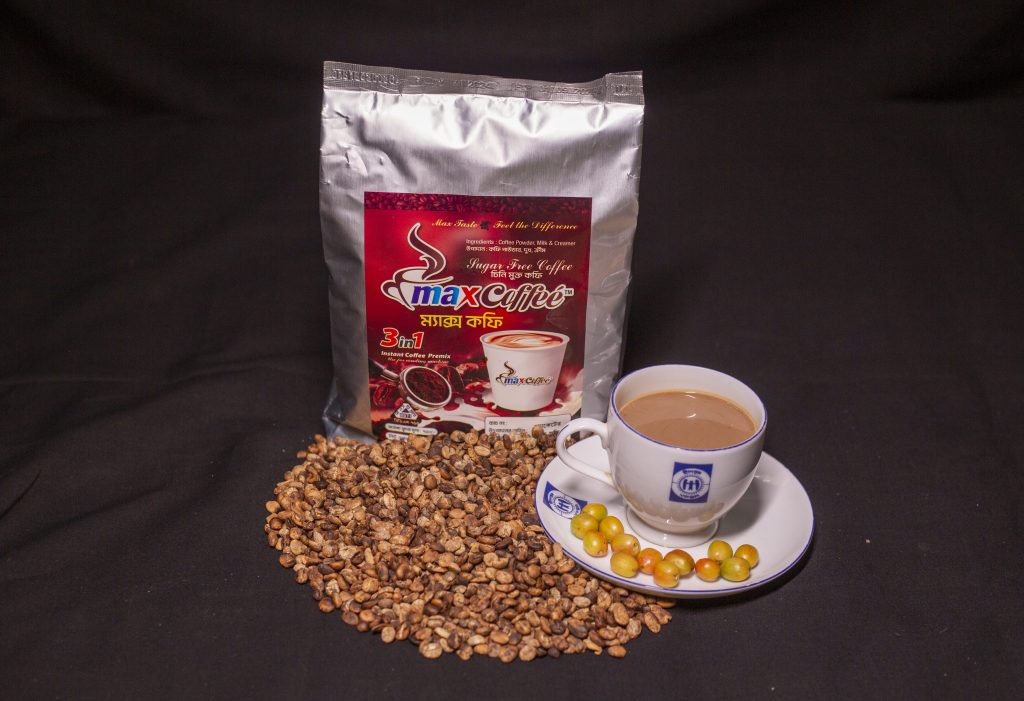
RMTP is promoting rural product commercialization through small-scale processing to reduce post-harvest losses of agro-commodities. The project has introduced a variety of products, including pumpkin pills (kumro bori), tomato sauce, dried cabbage, spice items, cold-pressed mustard oil, sunflower oil, rosella tea, coffee, banana chips, potato chips, dried mango, mango bar, ground nut fry, puffed rice, flattened rice, date palm jaggery, black piper powder, fruits juice and various pickles in different agro-business clusters across Bangladesh. The initiative aims to ensure safe production and enhance productivity by introducing machinery. Furthermore, the project has supported entrepreneurs in branding, packaging, certification, and marketing their products both online and offline. As a result, the entrepreneurs are now enjoying significant profits.

13
News & Events

Ecological farming systems introduced for vegetable cultivation

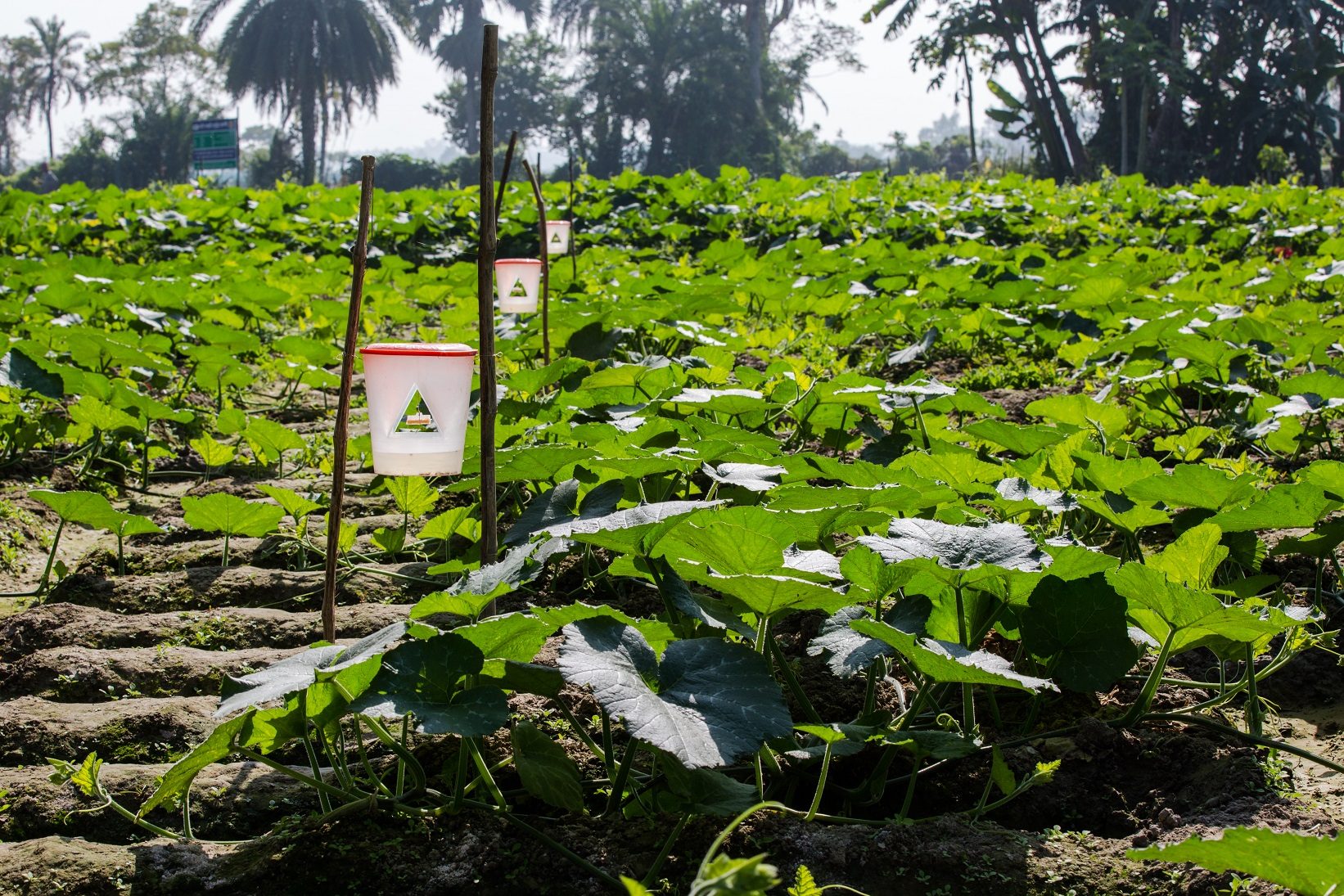
The RMTP is promoting ecological farming technology for vegetable cultivation. The project farmers have received orientation on Good Agricultural Practices (GAP), the use of organic pesticides, and organic fertilizers. Additionally, they have been trained to produce safe saplings using coco-media. According to the farmers, adopting ecological farming technology has reduced production costs compared to using chemical fertilizers, resulting in higher profitability than traditional (chemical-based) farming methods.

Vegetables grown through ecological farming are sold at premium prices due to increasing consumer health consciousness. Various supermarkets and safe food outlets are now demanding these safe vegetables. The project reports that farmers are cultivating a range of vegetables—such as brinjal, bottle gourd, cucumber, tomato, papaya, cauliflower, squash, chili, and sweet gourd—on an average 1.41-acre plots using ecological farming technology.

Currently, approximately 87,000 farmers are involved in cultivating safe vegetables on 30,000 hectares of land. An interim evaluation indicates that 65% of these farmers have increased their income by 40% through eco-friendly farming practices.

IMG_8456 – Copy
Stories

From domestic worker to a business owner

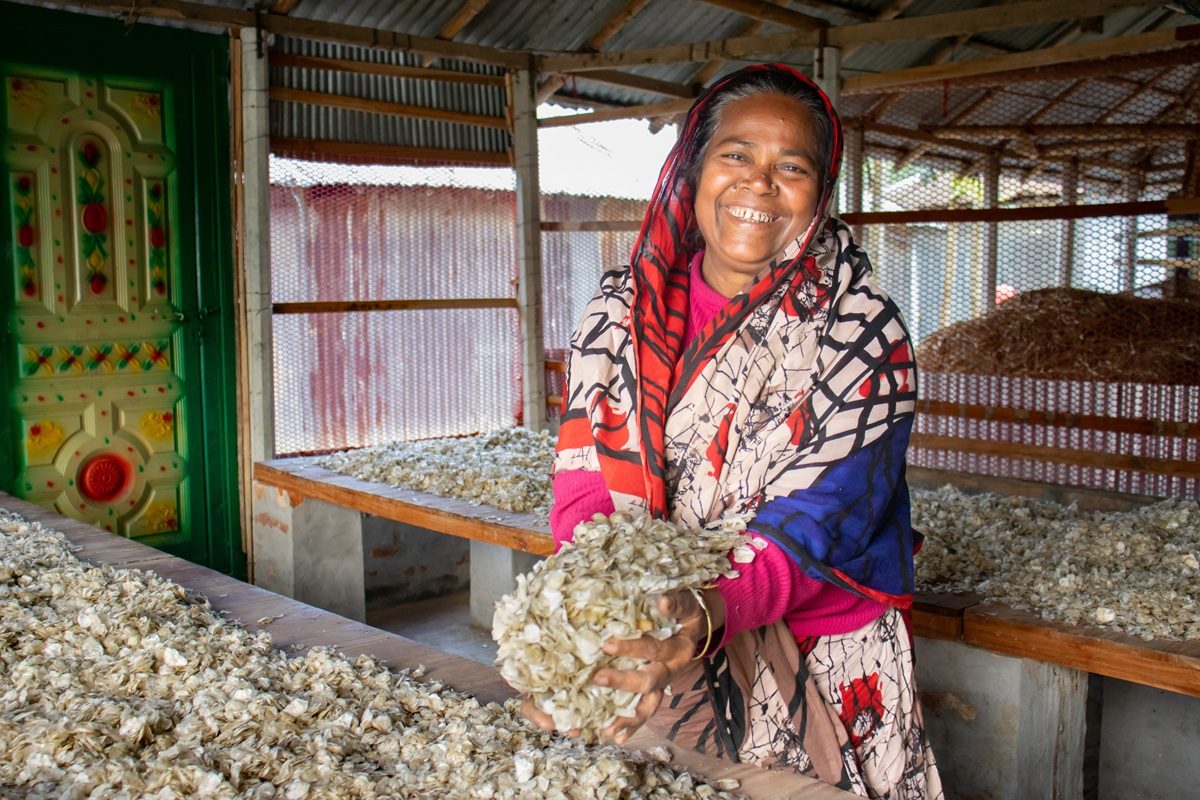
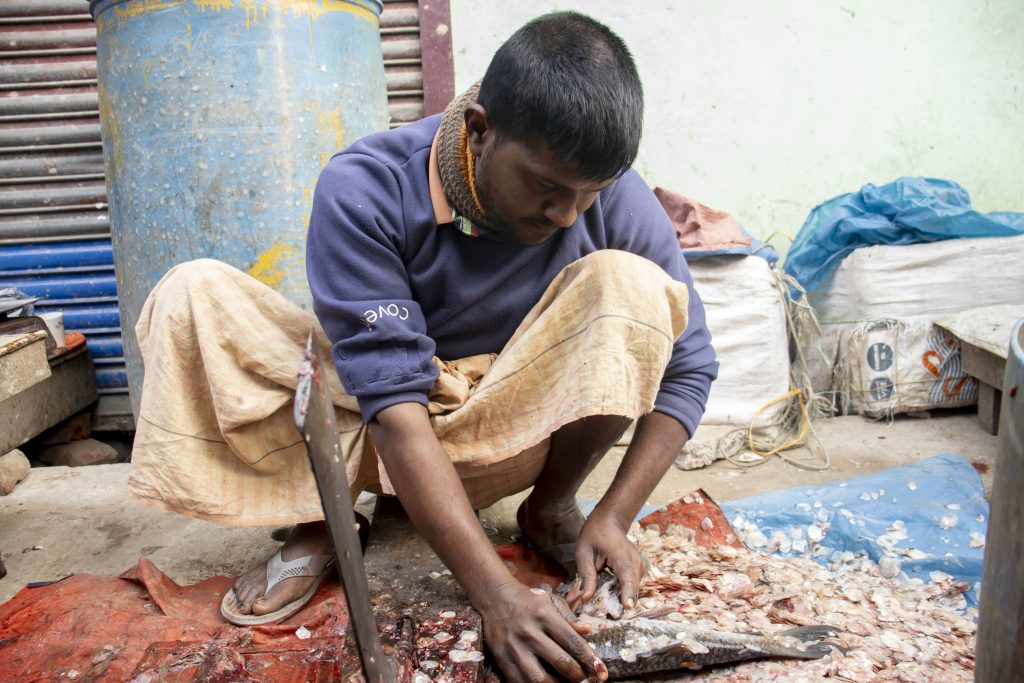
Marjina Khatun, 55-year-old, from Ranigram in Pabna Sadar Upazila, has transformed from a domestic worker to a successful entrepreneur. Four years ago, she was cleaning other people’s homes, struggling to make ends meet. Today, she has converted waste into resource by fish scale business and created jobs in her community. Now, her family is financially self-sufficient.

With great enthusiasm, Marjina shares her journey. While she worked as a domestic worker, her husband and disabled son managed a small fish business in the local market. However, their financial situation remained dire. In 2022, the RMTP project selected her as a beneficiary, providing essential training in fish scale collection, processing, and marketing. Additionally, she received a cash grant of BDT 125,000 from RMTP through PKSFs implementing partner, Program for Community Development (PCD).

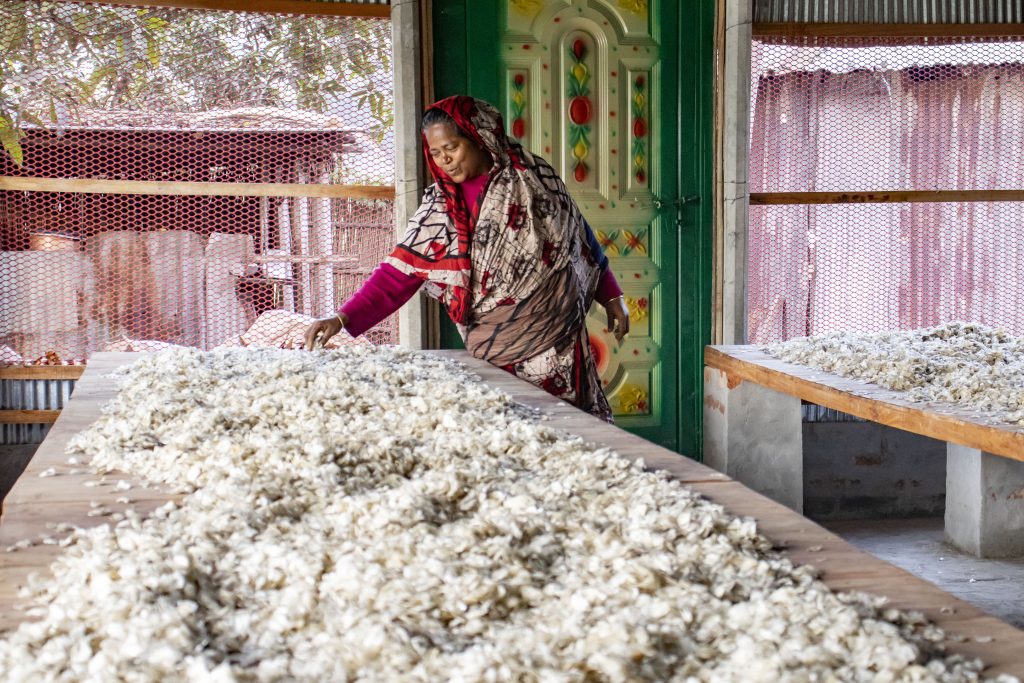
With these funds, Marjina established a processing room, a wooden drying floor, and a hygienic workspace, ensuring a strong foundation for her business. The project also connected her with dealers who purchase processed scales directly from home, significantly reducing transportation costs. The processed scales are sold to third-party suppliers who provide manufacturers in China with raw materials for fish feed and pharmaceutical capsules.

Marjina actively collects fish scales from local traders and employs two women to assist her in the processing work. She sources scales from fish markets, neighbours, and hotels, ensuring a steady supply. The process involves carefully removing spikes, sun-drying the scales, and storing them for up to two months. She buys 50 kg of wet scales for BDT 1,000-1,200, which turn into 40 kg of dried scales and sell for BDT 2,500-3,500. Each month, she processes about 600 kg, spending Tk 15,000 and earning a profit of around Tk 33,750.

Marjina is grateful to the project for expand her business. She supports her three daughters and one son. Her goal is to empower her daughters to be self-sufficient. Through her journey, Marjina has gained confidence, improved her decision-making, and become a financial leader in her family.

IMG-20250101-WA0050
Stories

Preetilata Tripura becomes self-reliant through black pepper cultivation

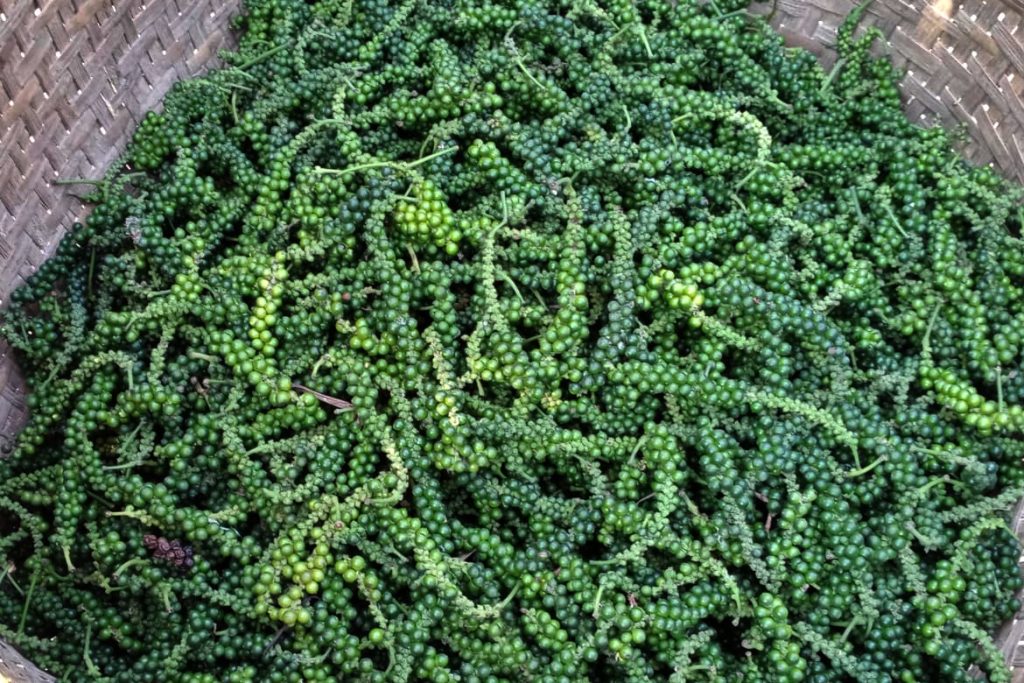
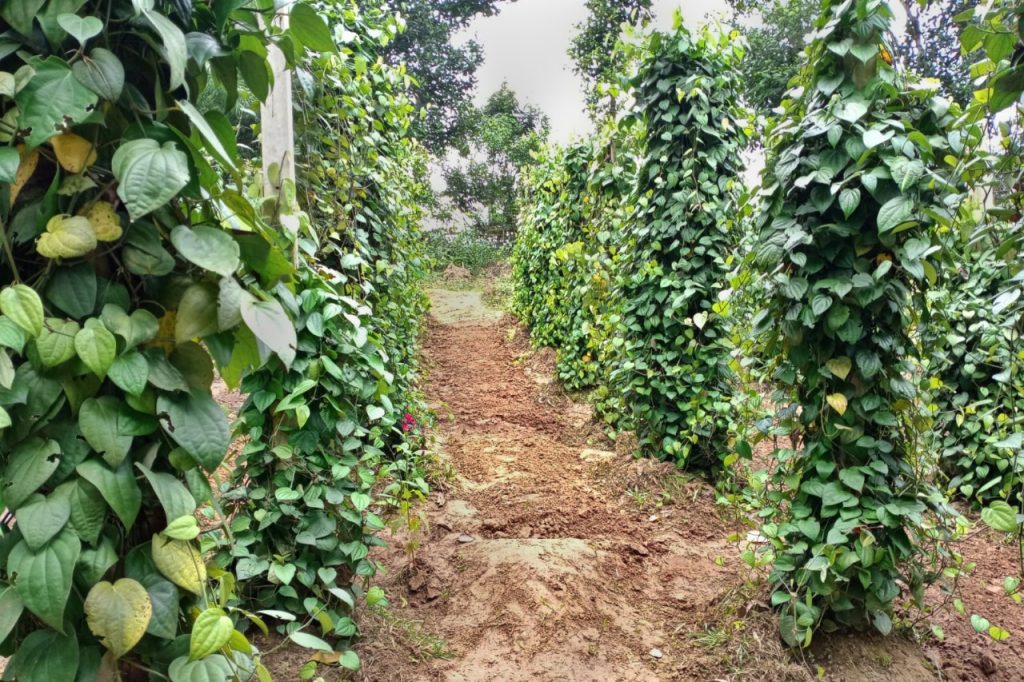
Spices have been essential to culinary traditions for centuries. The people of the Indian subcontinent have been familiar with cinnamon, black pepper, and pepper since ancient times. Though 57-year-old Preetilata Tripura lacked detailed knowledge of their historical significance, she recognized the potential of black pepper cultivation and took on the challenge of growing this unconventional crop.

A century ago in the same district, Pritilata Waddedar, the first female martyr in the fight against the British colonialism, was honored as a ‘Veer Kanya’ (Brave Woman). Today, another Preetilata from Koila village in Mirsarai upazila of Chattogram, Bangladesh, has gained recognition as a model black pepper farmer, turning her determination into inspiration for others.

Preetilata shared, “They told me black pepper has good yields and higher profits. In 2018, I planted saplings on 125 poles, with four saplings per pole. The production began in 2021, and I sold 25 kgs of black pepper that year. Last year, I sold 40 kgs.” Since then, she never looked back. She has expanded black pepper cultivation to new areas, including her lemon and jackfruit orchards in the Golachipa village.

Using techniques learned from PKSF’s RMTP project, she now also grows and sells black pepper saplings. Among those who started black pepper cultivation with her, only Preetilata has succeeded in expanding her out-of-the-ordinary venture. To promote eco-friendly farming, she uses organic fertilizers and pesticides for her crops. Over the past few years, she has earned approximately BDT 2.4 lakh from black pepper, saplings, and inter-crops like ginger and turmeric.

Her success has also positively impacted her family. Her eldest daughter, Mitali, completed her bachelor’s degree before being married off. Preetilata’s second daughter, Shiuli, is pursuing her bachelor’s with honors at Barishal Nursing College. Her son, Amit, has passed SSC and now serves in the police. 

In recognition of her achievements, Preetilata was awarded the ‘City Group-Prothom Alo Agriculture Award 2024’ as the best female farmer. Her resilience and determination have made her a role model for others in her community.

_Z0A4501
Stories

Tk2,225cr market: Poultry farming transforms lives in Joypurhat

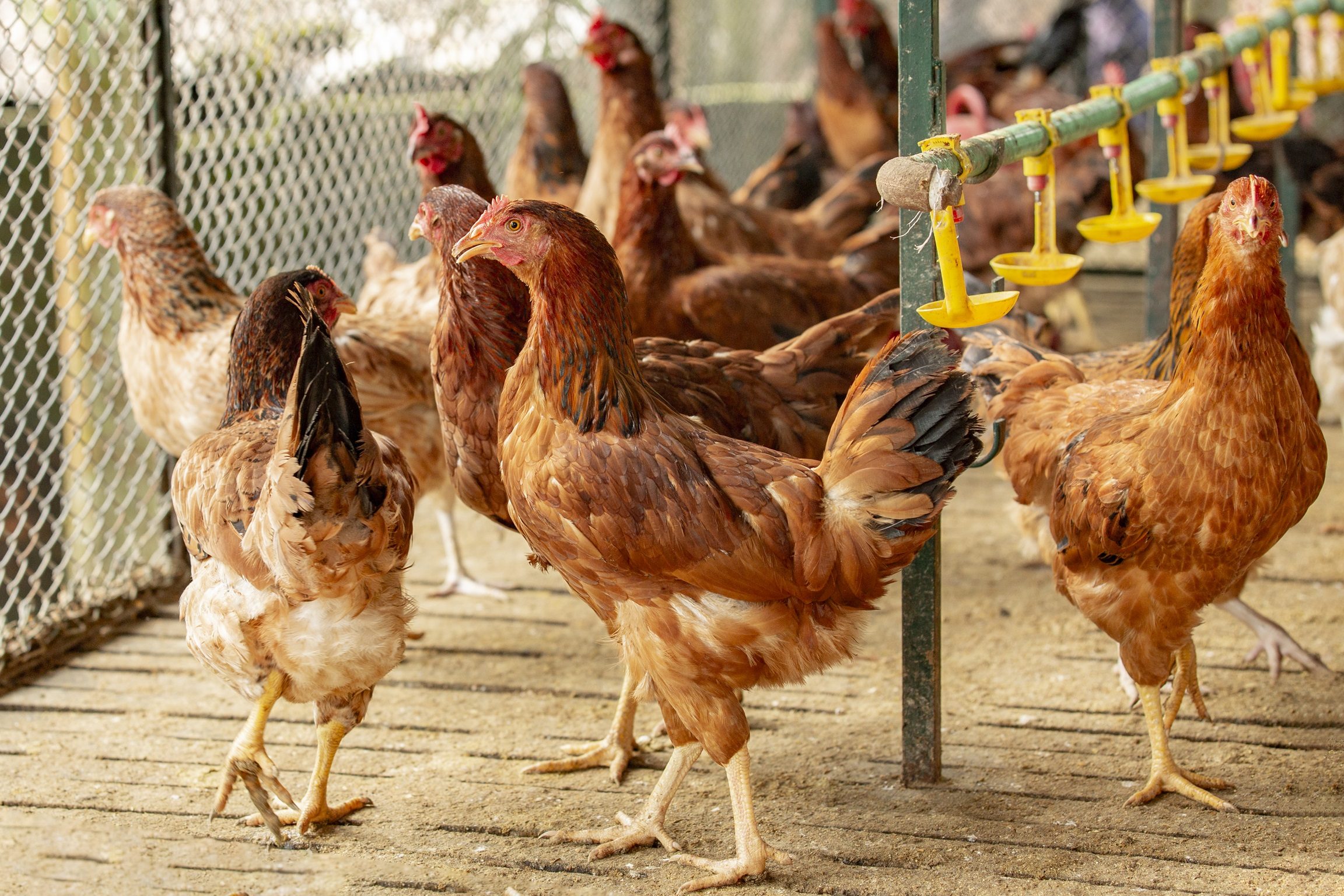
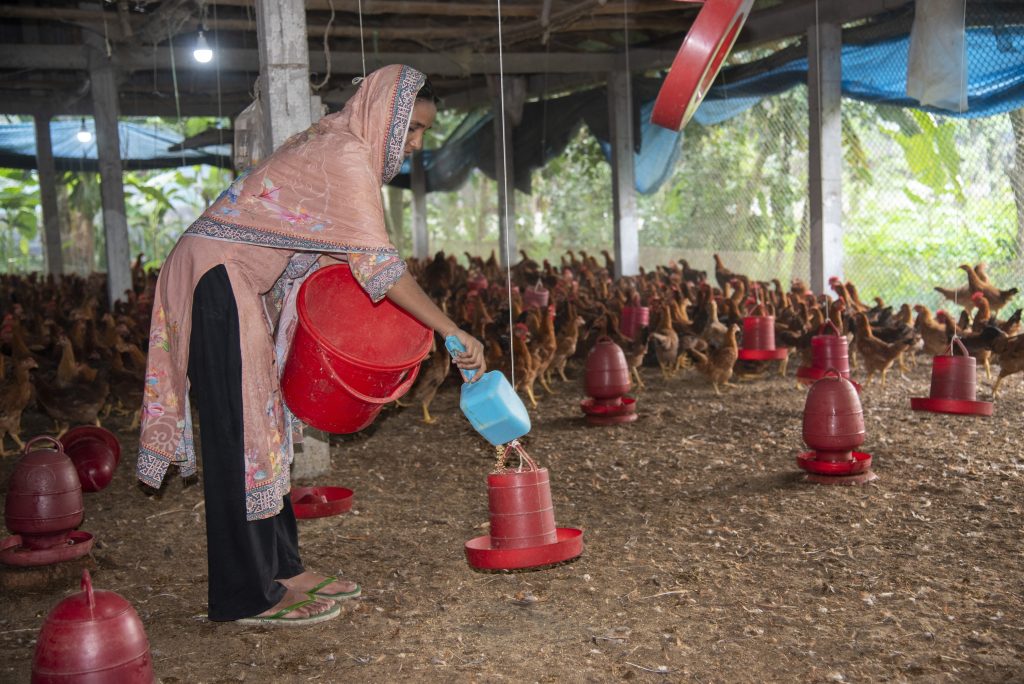
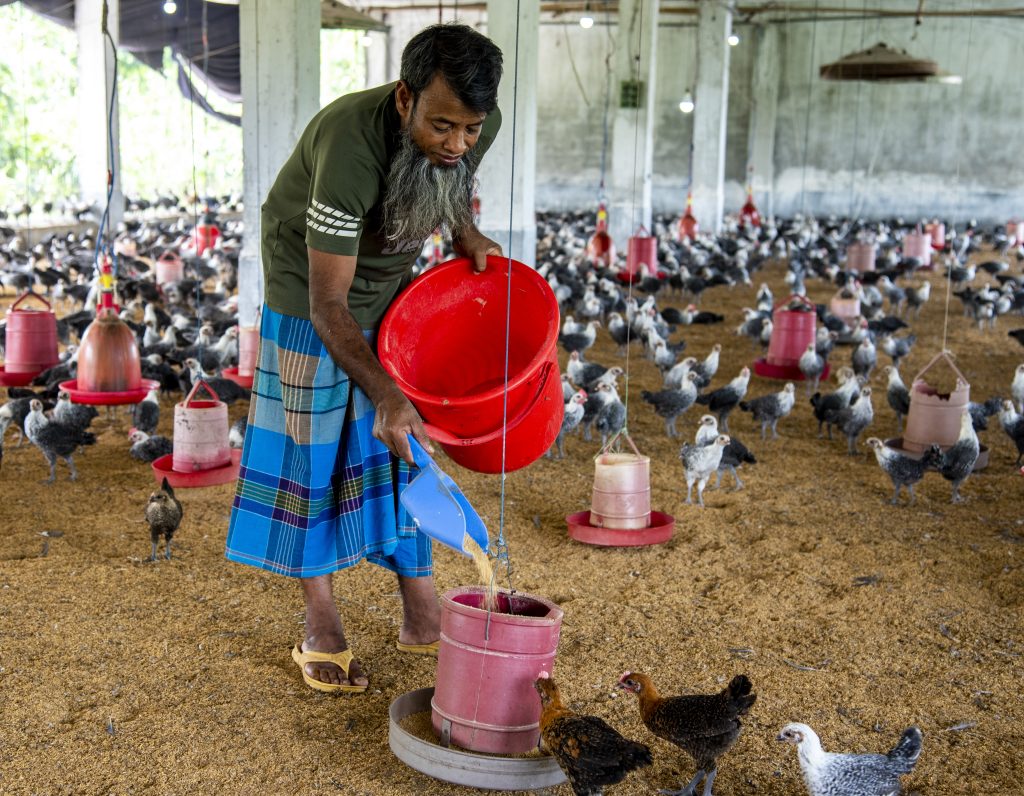
Sabina Khatun of Joypurhat Sadar upazila has been running a successful poultry farm with 6,000 Sonali chickens in her backyard for 19 years.

Her journey into poultry farming started modestly, and now, alongside her husband Abdul Latif, she manages two farms dedicated to meat production.

Sabina’s business has grown significantly over the years, allowing her to earn Tk75,000 to Tk100,000 per month and fund her two daughters’ education in the city.

She believes poultry farming is a valuable opportunity for rural women, enabling them to balance household responsibilities with income generation.

Around 200,000 people in the district, most of them women, are directly or indirectly employed in the poultry sector.

Farmers said that improved training and market access have made poultry farming more profitable in recent years, a sharp contrast to earlier challenges.

The poultry revolution in Joypurhat began after 2000, transforming the region’s economic trajectory, which had previously depended heavily on agriculture.

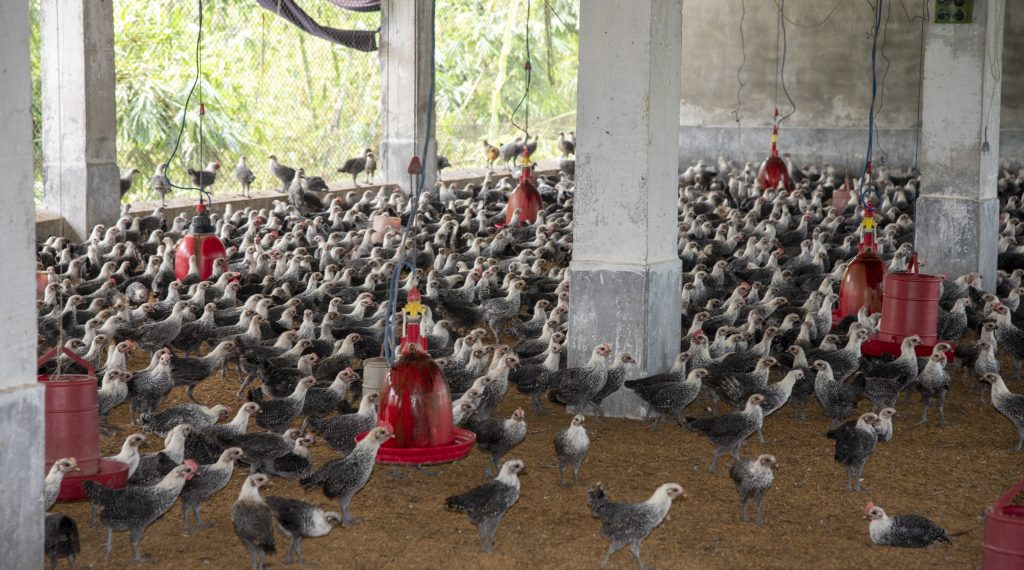
Now poultry farming has become a significant contributor to the local economy, with 7,340 farms housing nearly 1.75 crore chickens producing 89,000 tonnes of meat annually, contributing Tk2,225 crore to the economy. Additionally, over 2,00,00,000 chicks are produced annually at 47 hatcheries in the district.

According to the district livestock department, the surplus meat, far exceeding the district’s demand of 42,000 tonnes, is supplied to other parts of the country. Belal Hossain, another farmer from Joypurhat’s Jamalganj, started small in 2012 with just 350 chickens.

His initial investment of Tk4,200 soon turned into a profit of Tk17,500, encouraging him to expand. He quit his job at a private organisation and focused solely on poultry farming.

Now, with the support of his wife, Jannatun Faurdous, the couple manage three poultry farms and several thousand chickens. Their business is now valued at over Tk1.5 crore. Belal’s success allowed him to buy land, support his brother’s education, and branch out into corn and egg production.

 His wife Jannatun, who is pursuing her studies at a national university, shares his dream of expanding their business to include cattle farming. They credit government and non-government training programmes for their continued growth.

 The JAKAS Foundation, a Joypurhat-based non-governmental organisation, plays a crucial role in supporting this poultry boom. Through the Rural Microenterprise Transformation Project (RMTP), funded by the International Fund for Agricultural Development, Palli Karma-Sahayak Foundation (PKSF), and Danish International Development Agency, they provide training on safe meat production, modern farming techniques, and market access for farmers. They are directly working with 10,000 people involved in the industry.

Mohammad Nurul Amin, executive director of JAKAS said, “We are training farmers in safe meat production, using technology, and connecting them to global markets. This benefits farmers and consumers alike.”    

Mahbubur Rahman Raihan, trained by JAKAS, has become a Livestock Service Provider, offering services to 50 farms in Joypurhat. His work in providing health services to poultry has transformed his livelihood, allowing him to earn up to Tk1,500 a day.

Tech-driven farms and safe meat production

PKSF data show that 86,555 people in 12 districts of the country, including Joypurhat, Bogura, Naogaon, Rangpur, Sunamganj, Netrokona, Shariatpur, Faridpur, and Cox’s Bazar, have been brought under the RMTP project.

 Through the project, they are working to make quality services, materials, and technology easily available for livestock-related initiatives. They are working on traceability of produced products, productivity, and more. This is increasing the income of ordinary people and improving the quality of life.

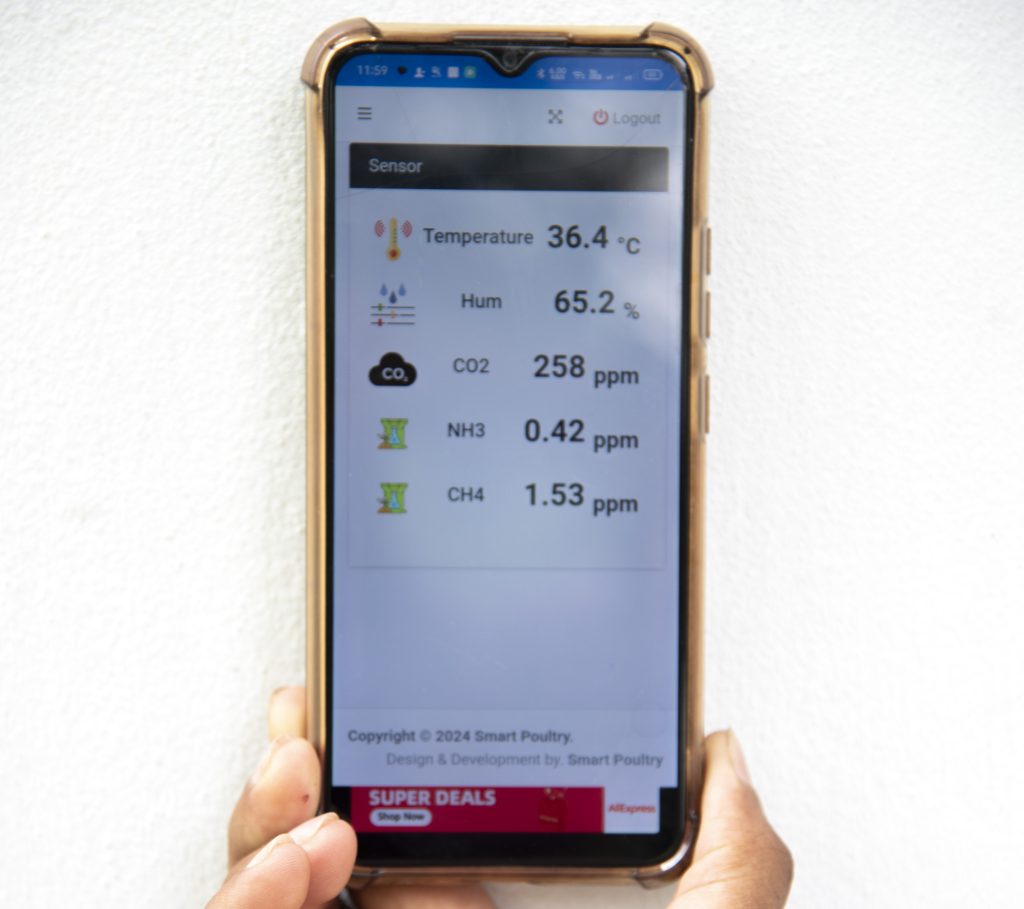
Retired army officer Syed Shamsul Anam, now a poultry farmer, believes modern farm management is crucial. He installed a sprinkler system to control the high summer temperatures in his chicken farm. This helps chickens survive and grow, reducing mortality and improving their health.

Fazlul Kader, acting managing director of PKSF, said, “We aim to expand safe meat and food for everyone. We want a safe brand that people trust. We support farmers in producing safe food and creating a sustainable agricultural system.” Farmers in Joypurhat are increasingly adopting modern technologies and practices to ensure safer meat production.

Anisur Rahman, who has been working in the poultry industry for over 20 years, said farming was much harder before access to modern medicine was made available. Now, with the availability of veterinary services, disease outbreaks are less frequent, resulting in healthier chickens and more stable production.

Future of poultry farming in Joypurhat

Government and private sector initiatives are increasingly focused on safe meat production.

Green Harvest Meat, for example, works with 60-70 select farmers who follow good agricultural practices. These initiatives are creating new employment opportunities and boosting demand for safe, high-quality meat.

Manjurul Alam Rico, a farmer from Jamalganj who has 10,000 chickens on his farm, said he faces rising costs for feed and utilities but still remains committed to safe and modern farming techniques. The demand for his farm products remains strong, particularly for eggs.

Maher Uddin, the district livestock officer, stressed the importance of continuing to educate farmers on reducing unnecessary antibiotic use and improving animal health.

The efforts of both government and non-government organisations are helping to ensure that Joypurhat remains at the forefront of safe and sustainable poultry farming in the country.

_DSC4866 – Copy
Stories

Sirajganj’s Tk100cr dairy market thrives on milk production boom

Abdul Khaleque was perplexed when he received an order via WhatsApp from several people in Kolkata’s Jorasanko, India, requesting several tonnes of buttermilk products locally known as “ghol” and “matha.”

The Indian customers had tasted the buttermilk from his shop in Sirajganj’s Salop area during their visit to Bangladesh a year ago and were interested in starting a business selling these products in Kolkata. However, Khaleque could not fulfill their order as he struggles to meet the high demand for buttermilk in his own area.

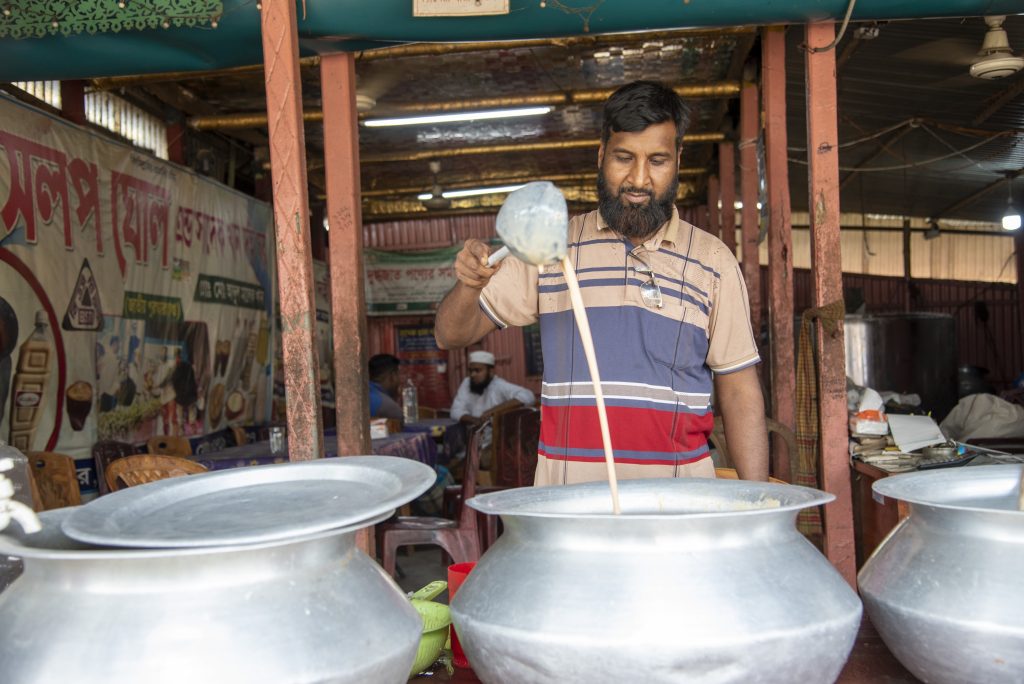
Khaleque told that he needs 100 maunds of milk every day to make ghol, matha, curd, and ghee for the domestic market. “At least Tk1 crore worth of products are sold in my shop every month,” he said.

Currently, 10 to 12 buttermilk shops have been established in Salop, with the market trading about Tk40 crore worth of these products annually.

As in Salop, the dairy products market in the district has been thriving due to a boom in cattle farming, supported by both government and private organisations. Officials report that dairy products worth over Tk100 crore are produced annually in the district, fostering the growth of hundreds of local entrepreneurs.

According to the District Livestock Department, there are about 33,000 small and large cattle farms in Sirajganj, housing more than 1.5 million cattle and producing around 7.16 lakh tonnes of milk per year. Companies like Baghabari Milk Vita, Aarong, and others collect about three lakh litres of milk daily from farmers, with daily sales amounting to over Tk1.65 crore.

Referring to Sirajganj’s history of milk production spanning over 100 years, Abdul Khaleque, owner of the ISO-certified shop, said that he and his brother Abdul Maleque have received training and loan assistance through various projects related to producing high-quality products.

“About 50 people are employed in our two shops. There is huge demand for our matha and ghol in Malda and Siliguri in India. However, we have not been able to export our products there due to the high local demand,” Khaleque said.

Women farmers power dairy boom

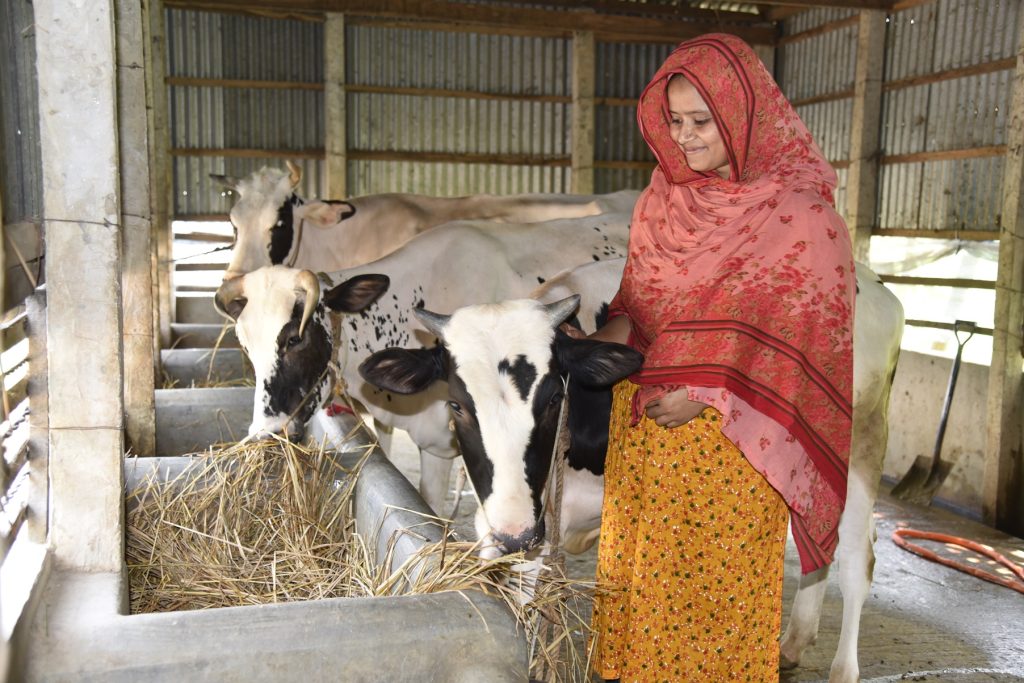
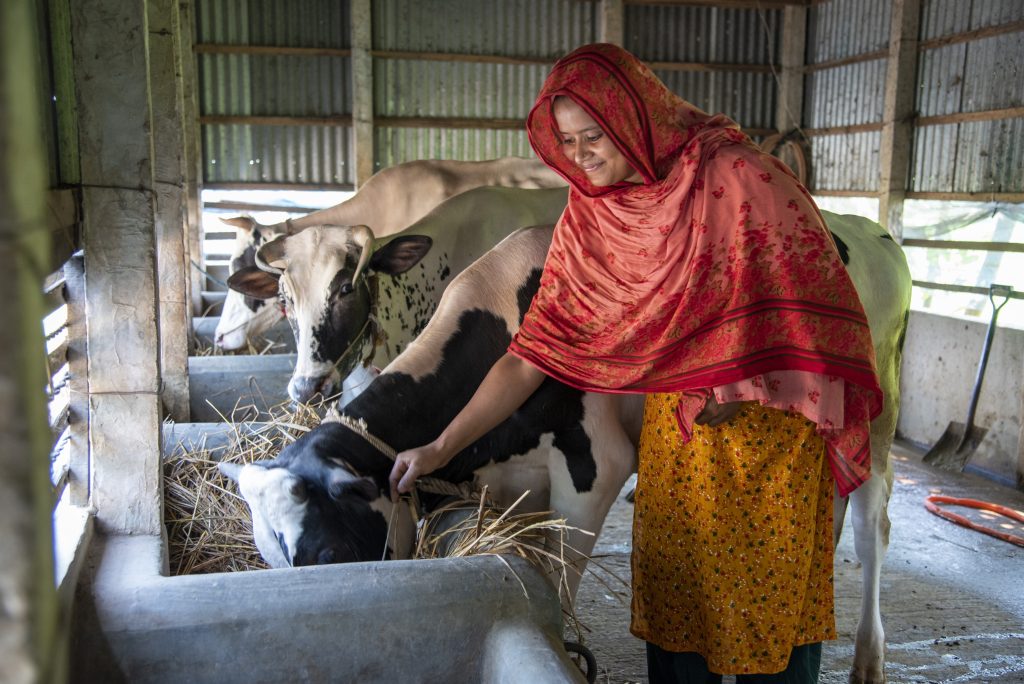
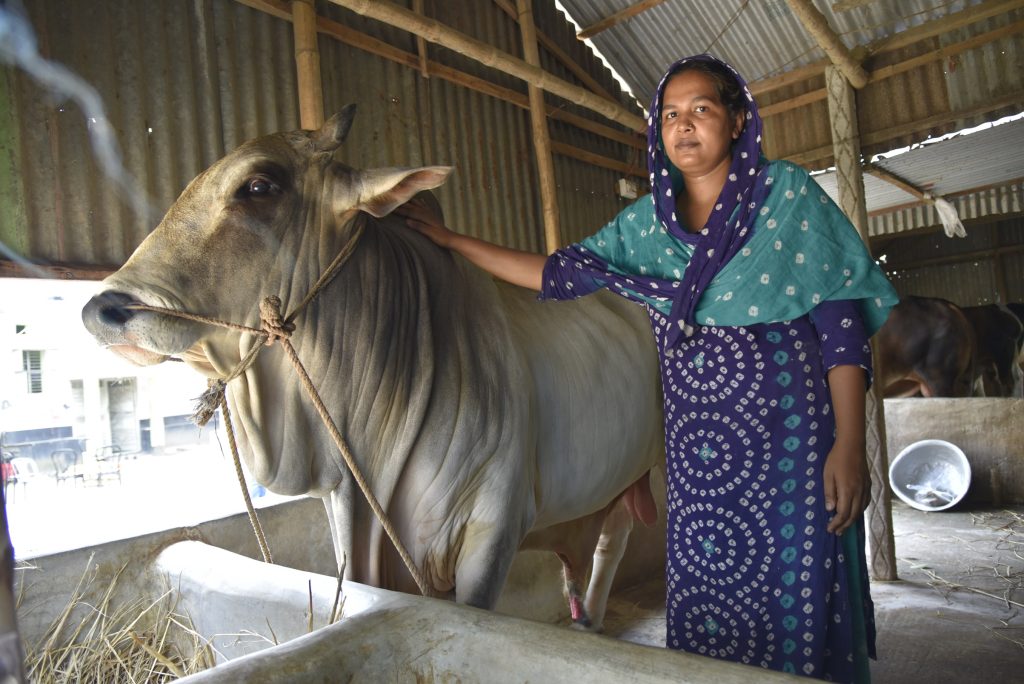
"I have seen cows affected by various diseases before, but I learned how to rear cows healthily after training in the RMTP project." Cattle farmer Hashi Khatun from Ullapara, Sirajganj

To develop the market for multi-purpose milk products, the Rural Microenterprise Transformation Project (RMTP) is being implemented in 12 districts across the country, funded by the International Agricultural Development Fund (IFAD), Palli Karma-Sahayak Foundation (PKSF), and the Danish International Development Agency (DANIDA).

The project provides technical, technological, and marketing support to 201,480 farmers and entrepreneurs, aiming to create a robust dairy products market and foster new entrepreneurs.

PKSF officials say safe milk and milk products are being produced in the district in an environmentally friendly manner. Entrepreneurs are increasing their income through processing and marketing, with rural milk collection centres set up to support their efforts.

Eco-friendly housing, pollution prevention measures, and modern machinery and technology for producing various dairy products have also been provided to the entrepreneurs.

Namita Halder, managing director of PKSF, stated that this sub-project has expanded the businesses of several hundred thousand people and increased their income.

Most of the cattle farmers involved in the project are women, who, after receiving training, started rearing cows at home. 

"At the training, I learned how to raise cattle at low cost. We were also introduced to milk traders, and through them, we now sell milk on a monthly basis."
Cattle Farmer
Meera Sanyal

One such farmer is Hashi Khatun from the Ullapara area of Sirajganj.

Hashi had six high-breed cows in her backyard farm, selling three recently and retaining three.

“I have seen cows affected by various diseases before, but I learned how to rear cows healthily after training in the RMTP project,” she said.

Taposhi Khatun, from Kamarkhand upazila, took a loan from the National Development Programme’s (NDP) Rural Microenterprise Transformation Project funded by the PKSF and IFAD in 2022 to start a cattle farm. Her farm now has two heifers and several cows.

“I underwent training on cow rearing from various institutions. I also cultivate grass on 16 acres of land. Silage is made from the grass and fed to the animals,” she said.

Taposhi Khatun, from Kamarkhand upazila, took a loan from the National Development Programme’s (NDP) Rural Microenterprise Transformation Project funded by the PKSF and IFAD in 2022 to start a cattle farm. Her farm now has two heifers and several cows.

“I underwent training on cow rearing from various institutions. I also cultivate grass on 16 acres of land. Silage is made from the grass and fed to the animals,” she said.

Another farmer, Meera Sanyal, said, “At the training, I learned how to raise cattle at low cost. We were also introduced to milk traders, and through them, we now sell milk on a monthly basis.”

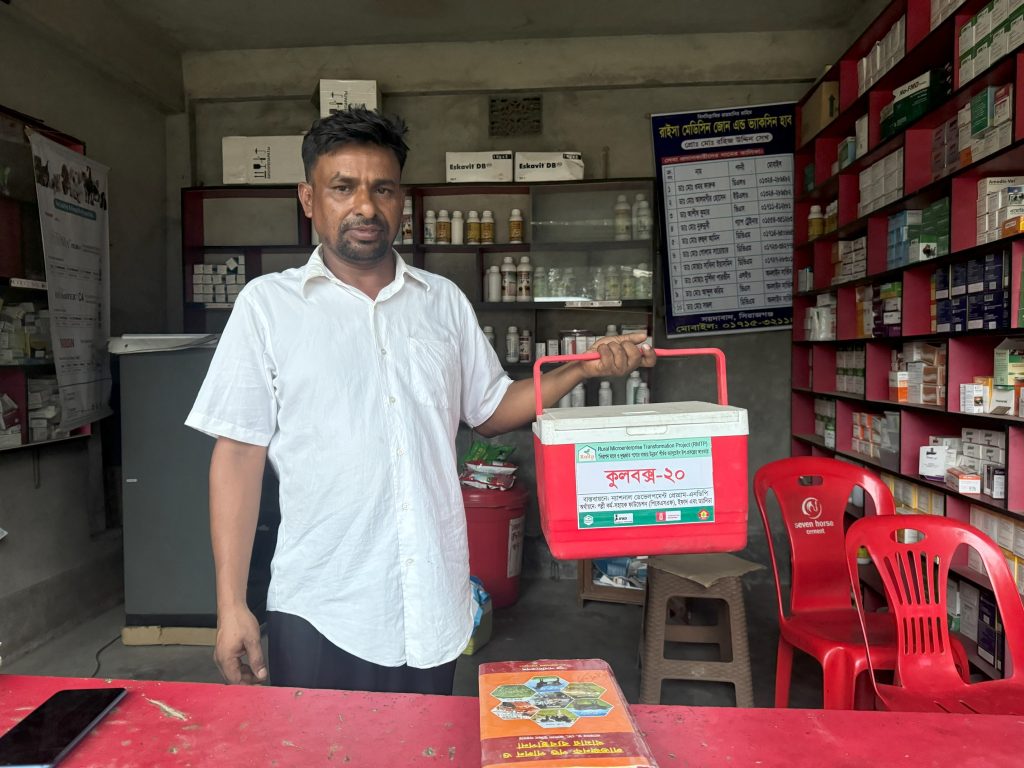
Farmers say they have been trained in maintaining a healthy environment and managing waste. Many have set up biogas and vermicomposting plants and have purchased lawn mowers for mechanisation. They are also utilising telemedicine services via mobile apps.

Md Alauddin Khan, executive director of NDP, which has been working to implement modern dairy practices, told TBS, “The country will benefit if the farmers in this area are guided on how to produce and market milk in a modern and safe manner.”

Sirajganj Livestock Officer Dr Omar Faruque said, “Sirajganj has long been known as a dairy industry region. Among its upazilas, Ullapara and Shahjadpur are particularly famous for milk production. There are 37 dairy factories in these two upazilas.”

https://www.tbsnews.net/economy/sirajganjs-tk100cr-dairy-market-thrives-milk-production-boom-884601

_DSC4529 – Copy
News & Events

IoT in fisheries sector

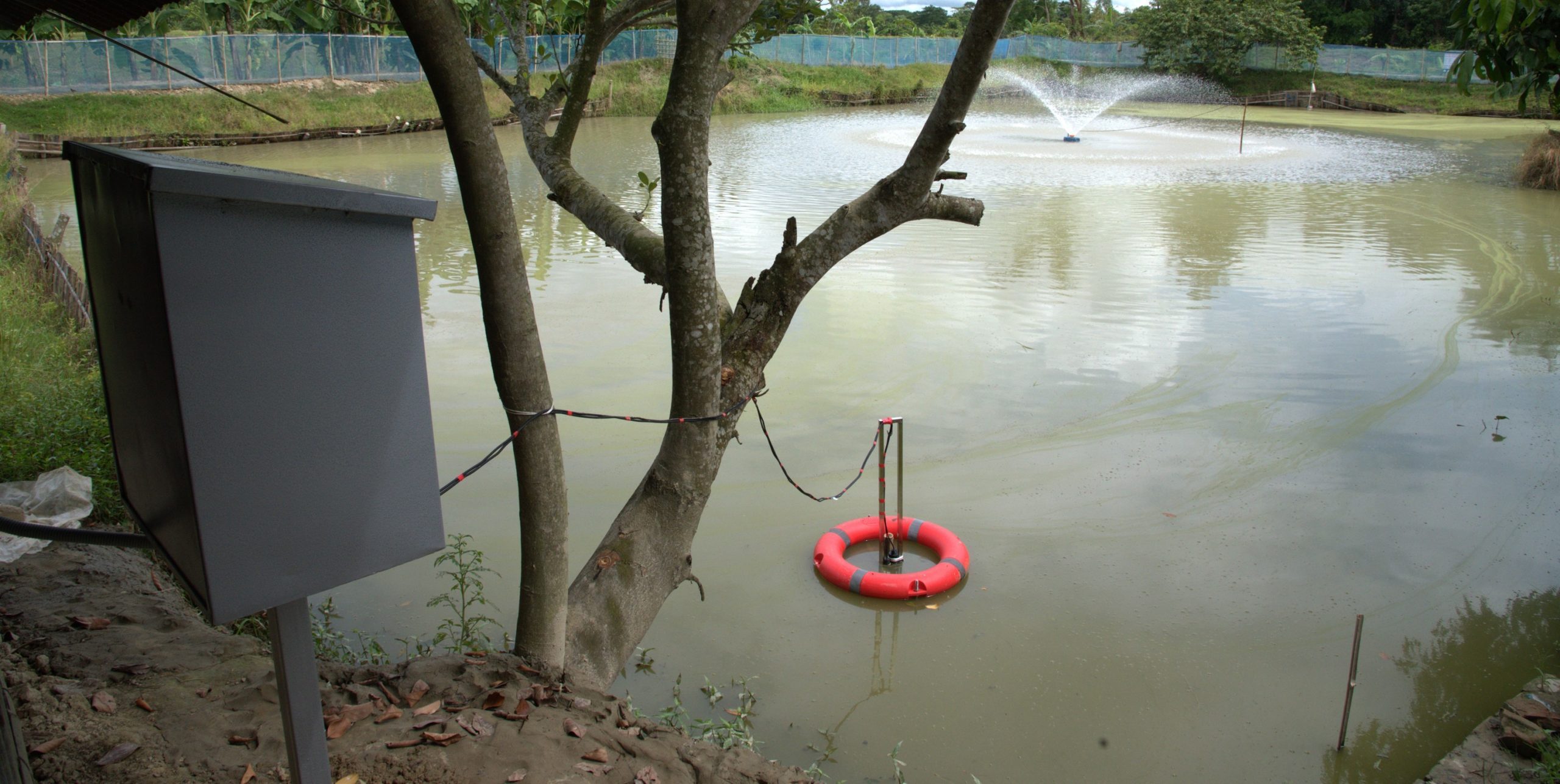
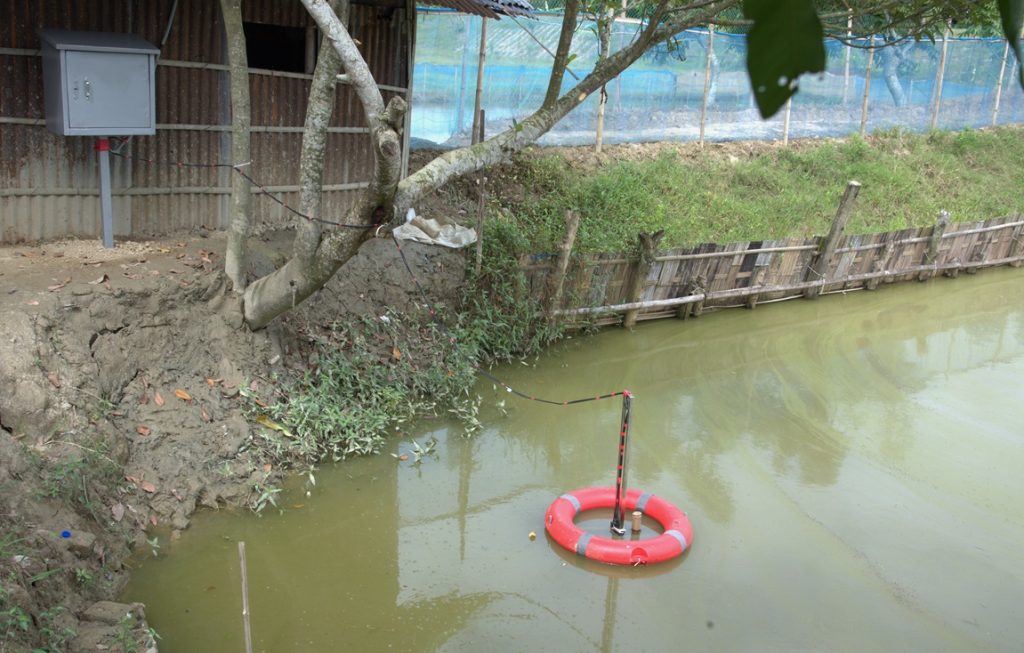
The Internet of Things (IoT) is reshaping industries, allowing remote automation through interconnected hardware and software. RMTP has introduced an IoT-based water quality monitoring device for the fisheries sub-sector in Barishal, Khulna, Rajshahi, Mymensingh, and Chattogram. Entrepreneurs can now access real-time data on crucial water indicators like temperature, pH level, ammonia (NH3), dissolved oxygen (DO), and salinity directly on their Android mobile phones. This cutting-edge technology allows informed decision-making for optimal fish farming conditions. The IoT system goes beyond data provision; it automates water quality parameters maintenance. When levels dip, aerators activate, and lime is added, ensuring an ideal environment for fish health and growth. The project is successfully piloting 30 such demonstrations for fisheries sector and two demonstrations for vegetable sector.

Chees
News & Events

Certified dairy products promoted through RMTP 

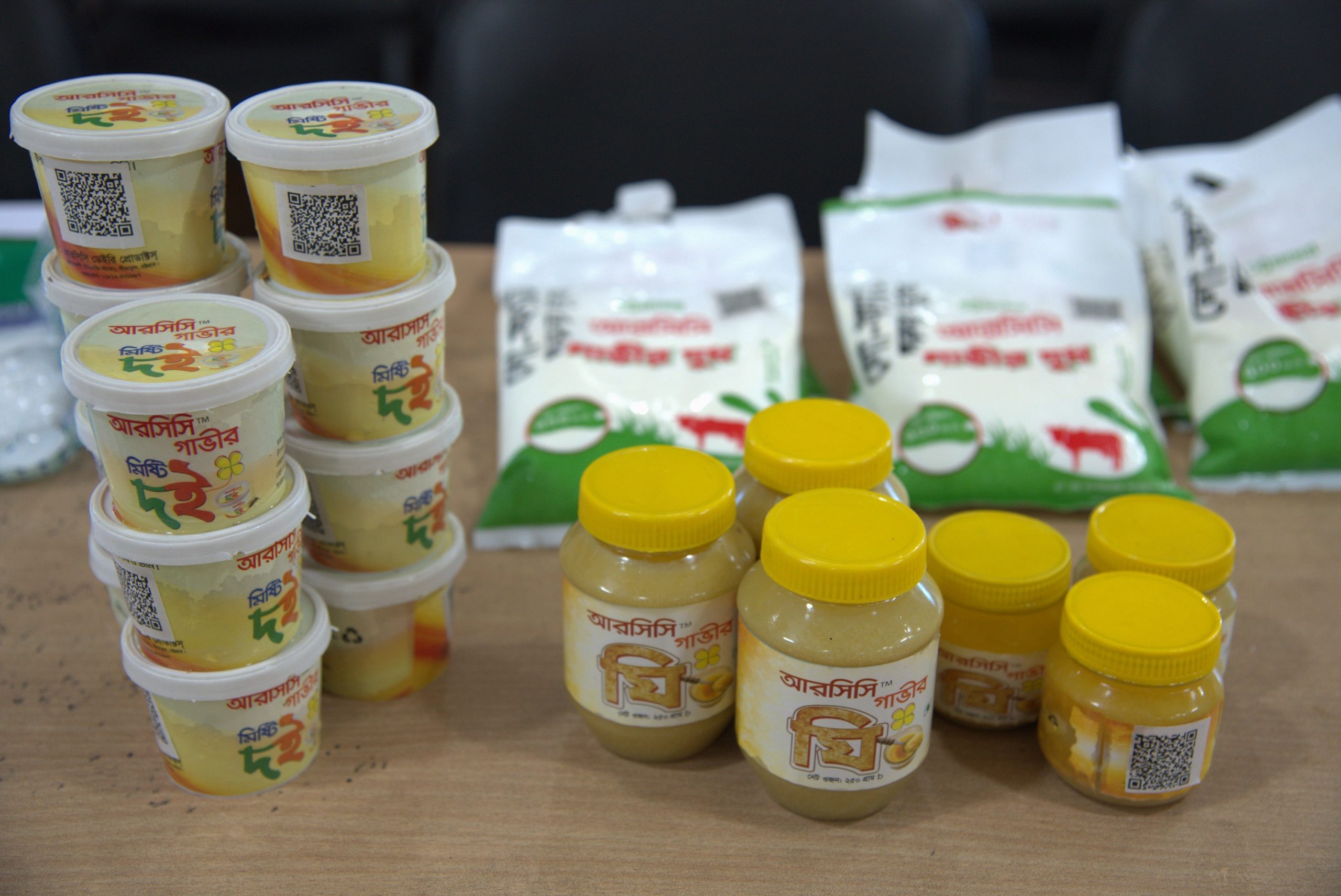
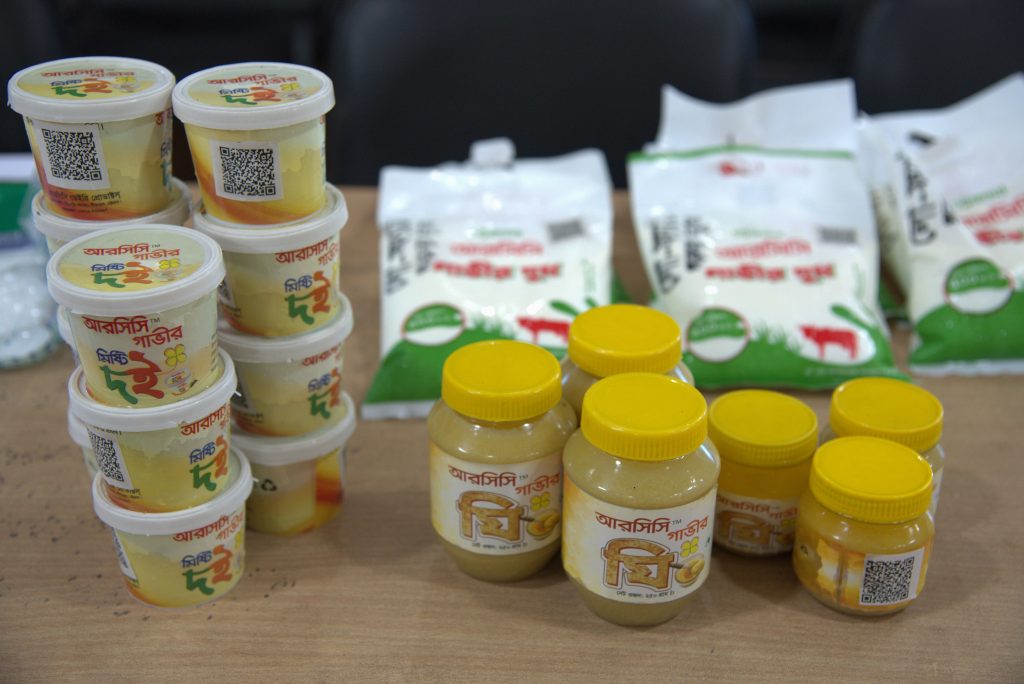
RMTP helps entrepreneurs introduce a range of diversified dairy products. These include sweets, curd, ghee, butter, buttermilk, and cheese. The milk used in these dairy products is collected from farmers who maintain GGAP compliance, ensuring high-quality standards. To support the entrepreneurs involved in the production of these dairy products, the project has provided comprehensive training on various business aspects such as production, processing, fortification, marketing, branding, and certification.

Besides, the project provides modern machineries to the farmers. As a result, 57 entrepreneurs have received BSTI and 41 have received ISO certificates. These certified products are now selling on online and offline marketing platforms. Also, they are exporting cheese and ghee to foreign markets.