

05 (3)
News & Events

Country’s first agro-ecophysiology lab launched to tackle climate challenges

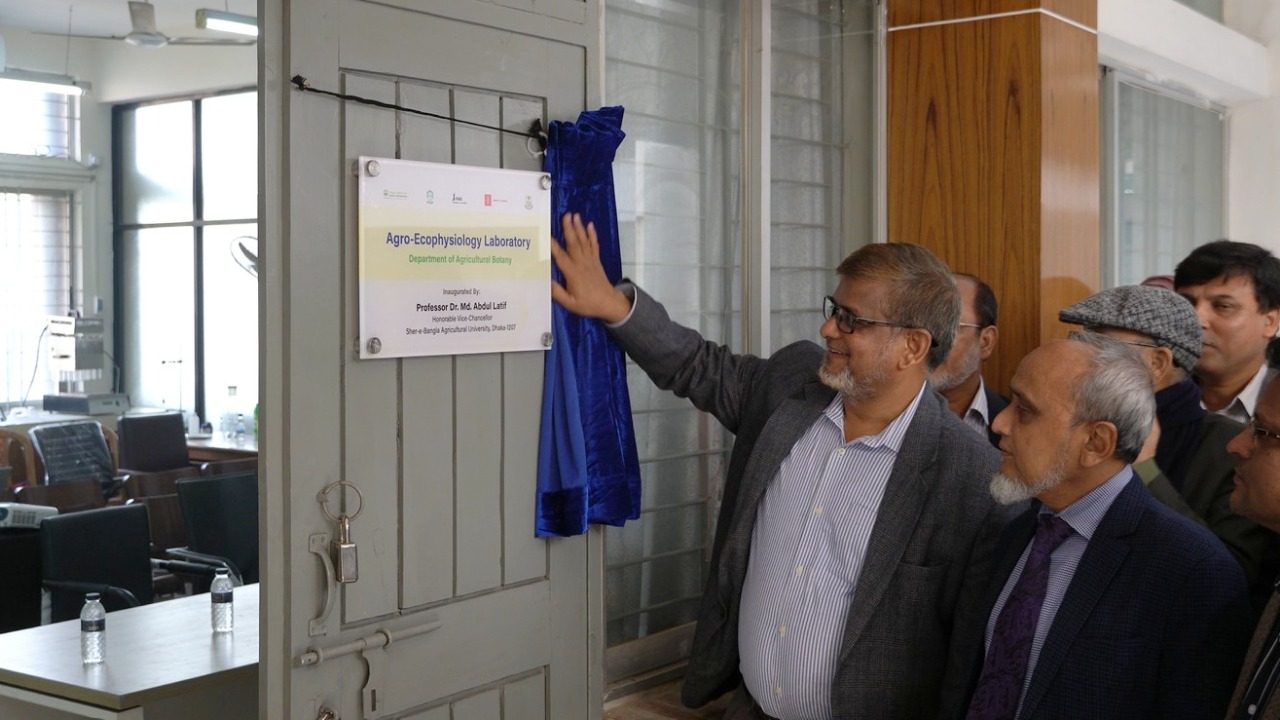
Bangladesh recorded an important advancement in agricultural research as Sher-e-Bangla Agricultural University (SAU) has recently set up the country’s first Agro-Ecophysiology laboratory on its campus. The laboratory, established with financial support from Palli Karma-Sahayak Foundation (PKSF), was inaugurated on 11 January 2026. The laboratory is expected to play a crucial role in promoting sustainable agriculture by enhancing soil health and supporting the production of safe and nutritious food amid climate change challenges. The laboratory was inaugurated at the Dr. Kazi Badruddoza Research Centre of SAU by the Vice-Chancellor, Professor Dr. Md. Abdul Latif. 
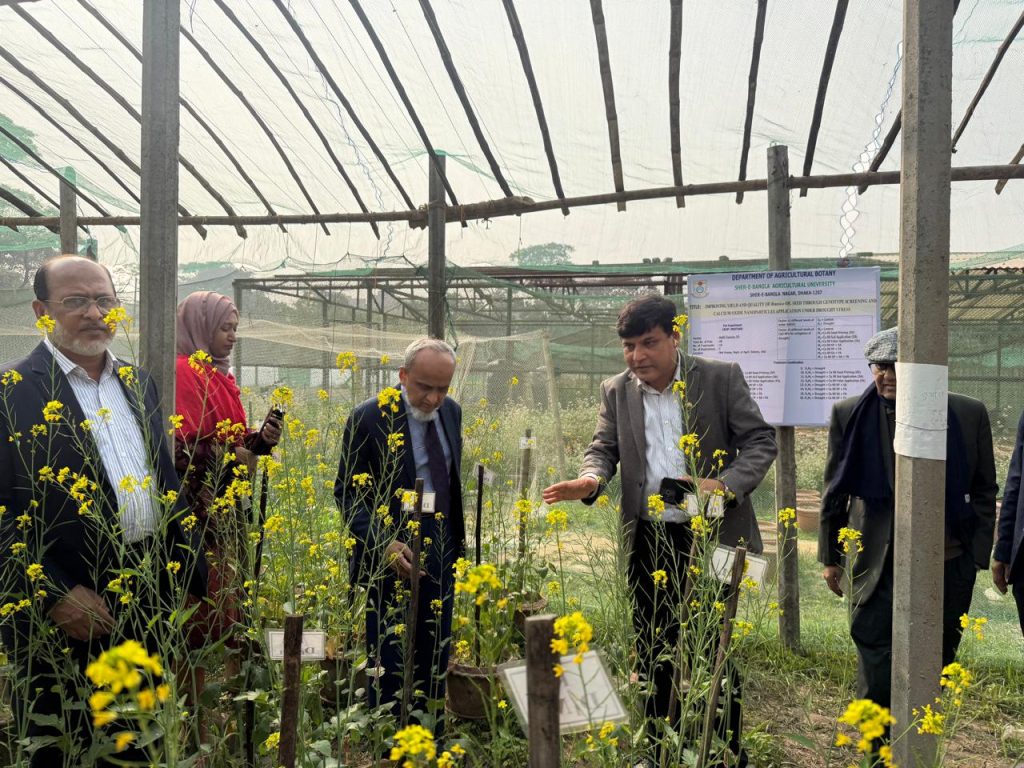
PKSF’s Deputy Managing Director, Dr. Akond Mohammad Rafiqul Islam, attended the event as special guest. Speaking at the ceremony, he highlighted that while research enjoys substantial funding in many countries, Bangladesh faces significant limitations in this area. Despite these constraints, he reaffirmed PKSF’s commitment to ensuring that research activities at agricultural universities continue uninterrupted, with PKSF extending all possible support within its capacity.

Equipped with modern instruments, the laboratory will enable precise analysis of nutrient levels and harmful elements in soil and plants. It will facilitate the assessment of plant responses under stress conditions and support the application of smart agriculture technologies, including organic soil inputs and nanotechnology to improve soil health. These initiatives are expected to enhance crop productivity while ensuring food safety and nutritional quality.

SAU Vice-Chancellor Professor Dr Md Abdul Latif, Treasurer Professor Md. Abul Bashar, Dean (Post-Graduate) Dr M Salahuddin M Chowdhury, , and Director (Planning and Development) Professor Dr Md Sarwar Hossain, among others, were present during the inauguration ceremony.
IMG-20250101-WA0060
News & Events

City Group-Prothom Alo Agriculture Award-2024

RMTP-supported five entrepreneurs awarded

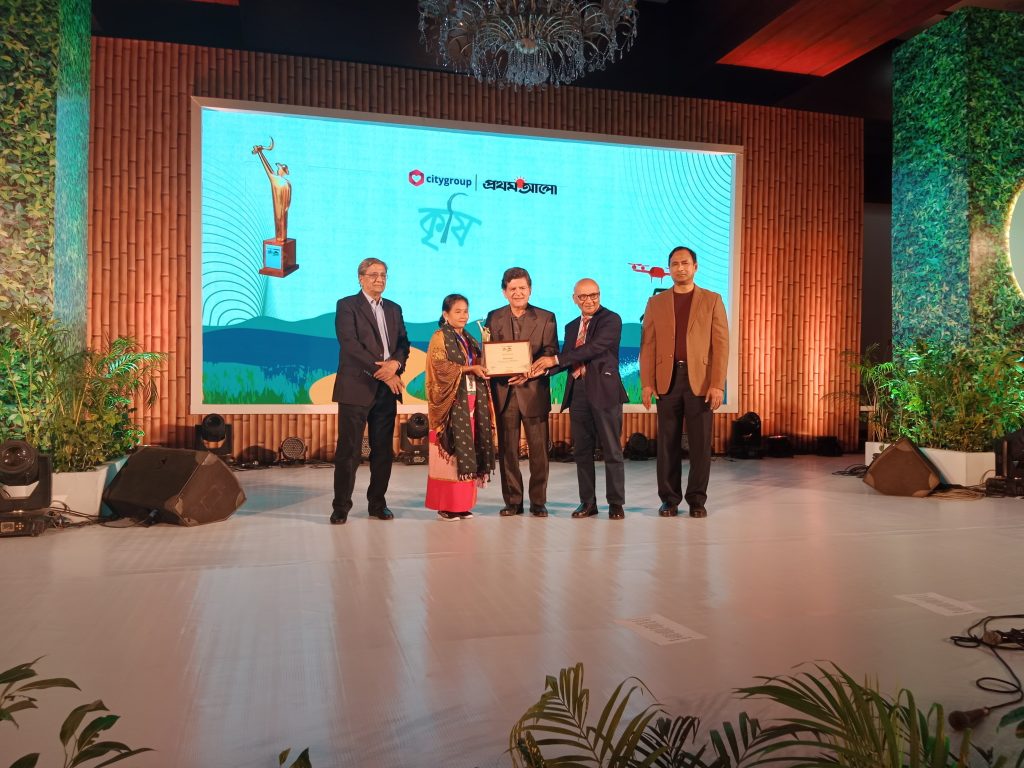
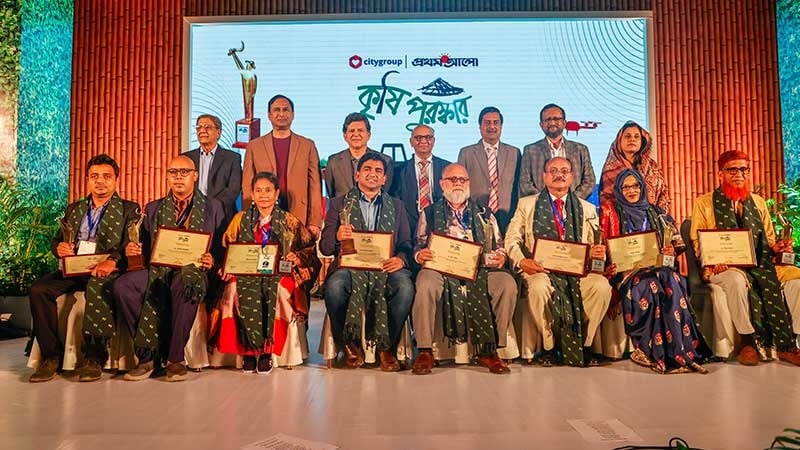
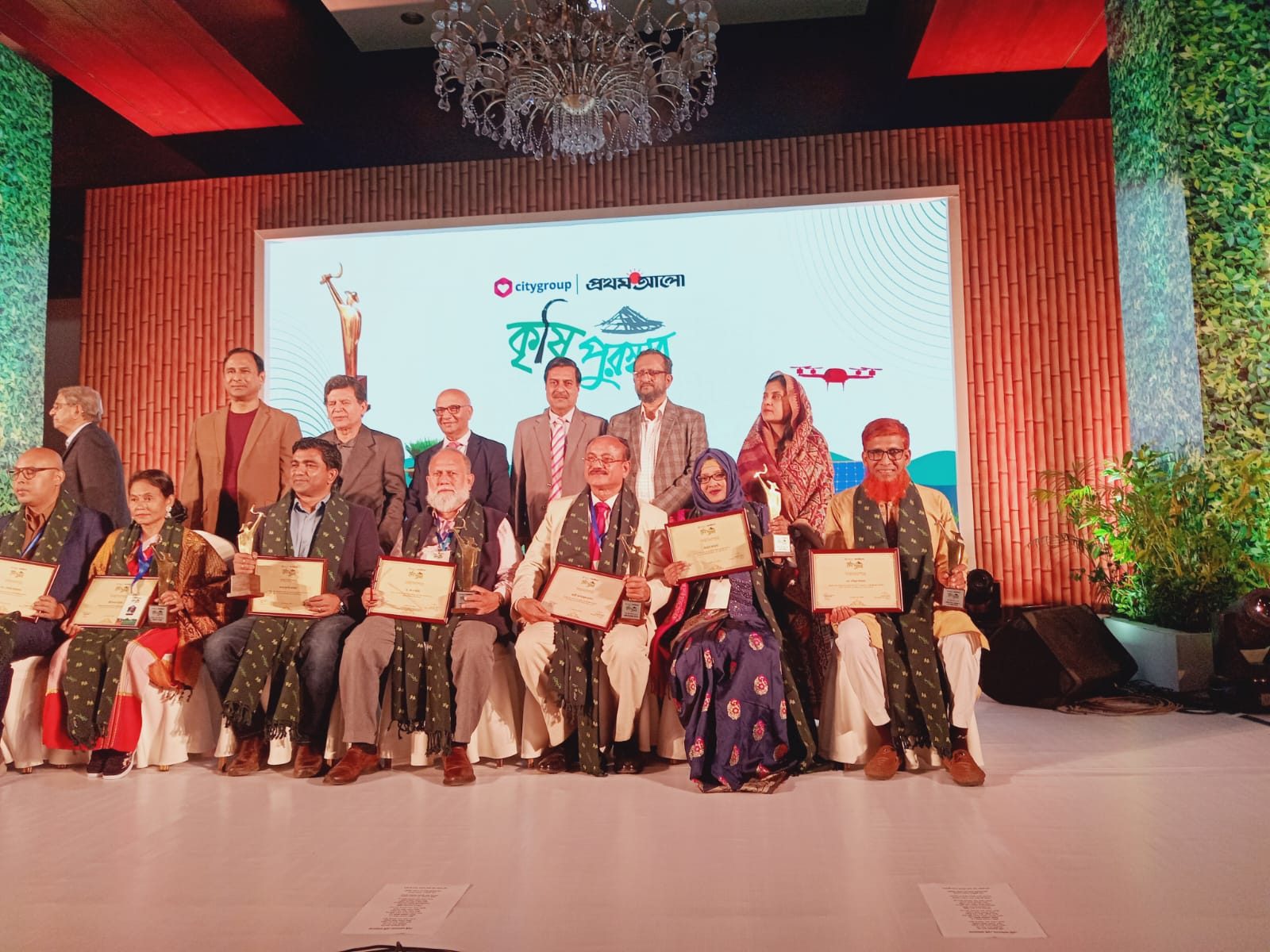
To honor farmers, entrepreneurs, and agricultural scientists, the ‘City Group-Prothom Alo Agriculture Award-2024’ was held on 31 December 2024, at the Pan Pacific Sonargaon Hotel in the capital. A total of 1,064 applications were submitted for the awards. The jury, led by former Vice Chancellor and Professor Emeritus of Bangladesh Agricultural University, Dr MA Sattar Mandal, evaluated the submissions and selected the winners.

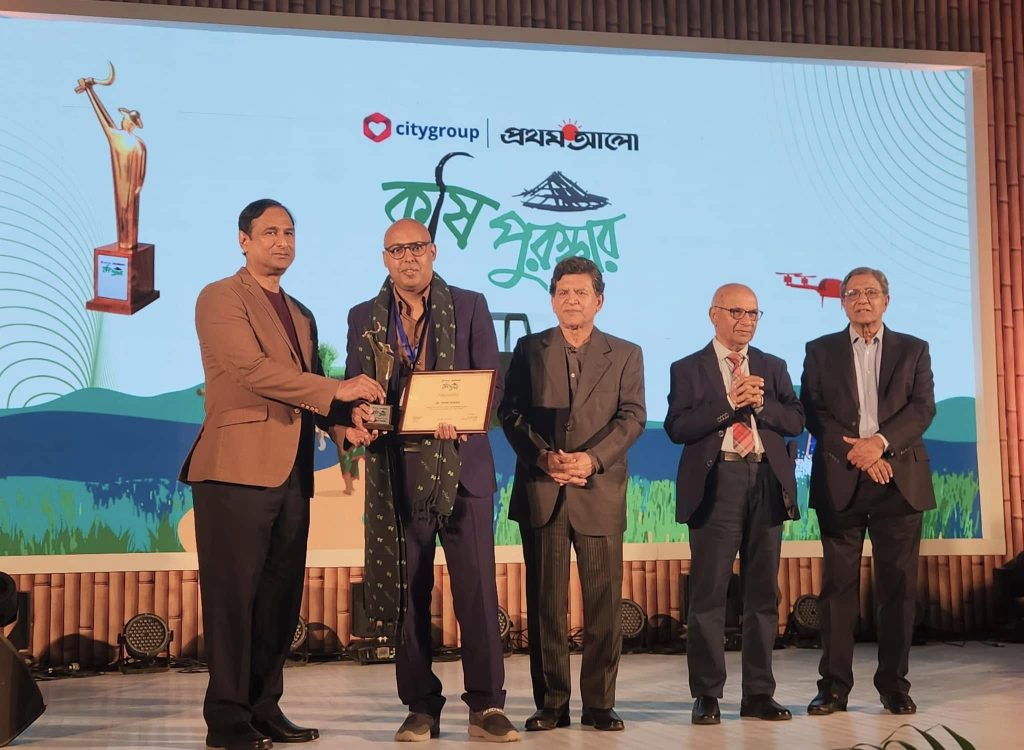
Eight individuals received awards in 6 categories, including a lifetime achievement award. Notably, five of the awardees were supported by PKSF’s RMTP project. Of them, young entrepreneur Md Golam Sarwar from Thakurgaon won in the ‘Best Agricultural Entrepreneur’ category for producing and marketing maize silage as cattle feed. Two RMTP-supported entrepreneurs received the ‘Best Woman in Agriculture’ award. Preetilata Tripura from Koila village in Khagrachari achieved remarkable success in black pepper cultivation. The other winner, Masuma Akter from Bogura, produces beef pickles and exports them to 17 countries. Md Shohidul Islam, another PKSF-supported entrepreneur from Kathalbari, Lalpur, Natore, received the ‘Best Agricultural Brand’ award for his branding of ‘Rosella Tea’. Additionally, Kazi Ashraful Hassan, Executive Director of Society Development Committee, a Partner Organization of PKSF, won the ‘Best Agricultural Innovation’ award for his work in household waste management and the production of organic fertilizer.

The awards were presented by former caretaker government advisor Hossain Zillur Rahman, the Chief Guest of the event. Matiur Rahman, Editor of Prothom Alo, and Zafor Uddin Siddiqui, Executive Director of City Group, handed over the crests to the awardees.

_DSC0295
News & Events

Expansion of small-scale processing of agro-commodities

RMTP is promoting rural product commercialization through small-scale processing to reduce post-harvest losses of agro-commodities. The project has introduced a variety of products, including pumpkin pills (kumro bori), tomato sauce, dried cabbage, spice items, cold-pressed mustard oil, sunflower oil, rosella tea, coffee, banana chips, potato chips, dried mango, mango bar, ground nut fry, puffed rice, flattened rice, date palm jaggery, black piper powder, fruits juice and various pickles in different agro-business clusters across Bangladesh. The initiative aims to ensure safe production and enhance productivity by introducing machinery. Furthermore, the project has supported entrepreneurs in branding, packaging, certification, and marketing their products both online and offline. As a result, the entrepreneurs are now enjoying significant profits.

13
News & Events

Ecological farming systems introduced for vegetable cultivation

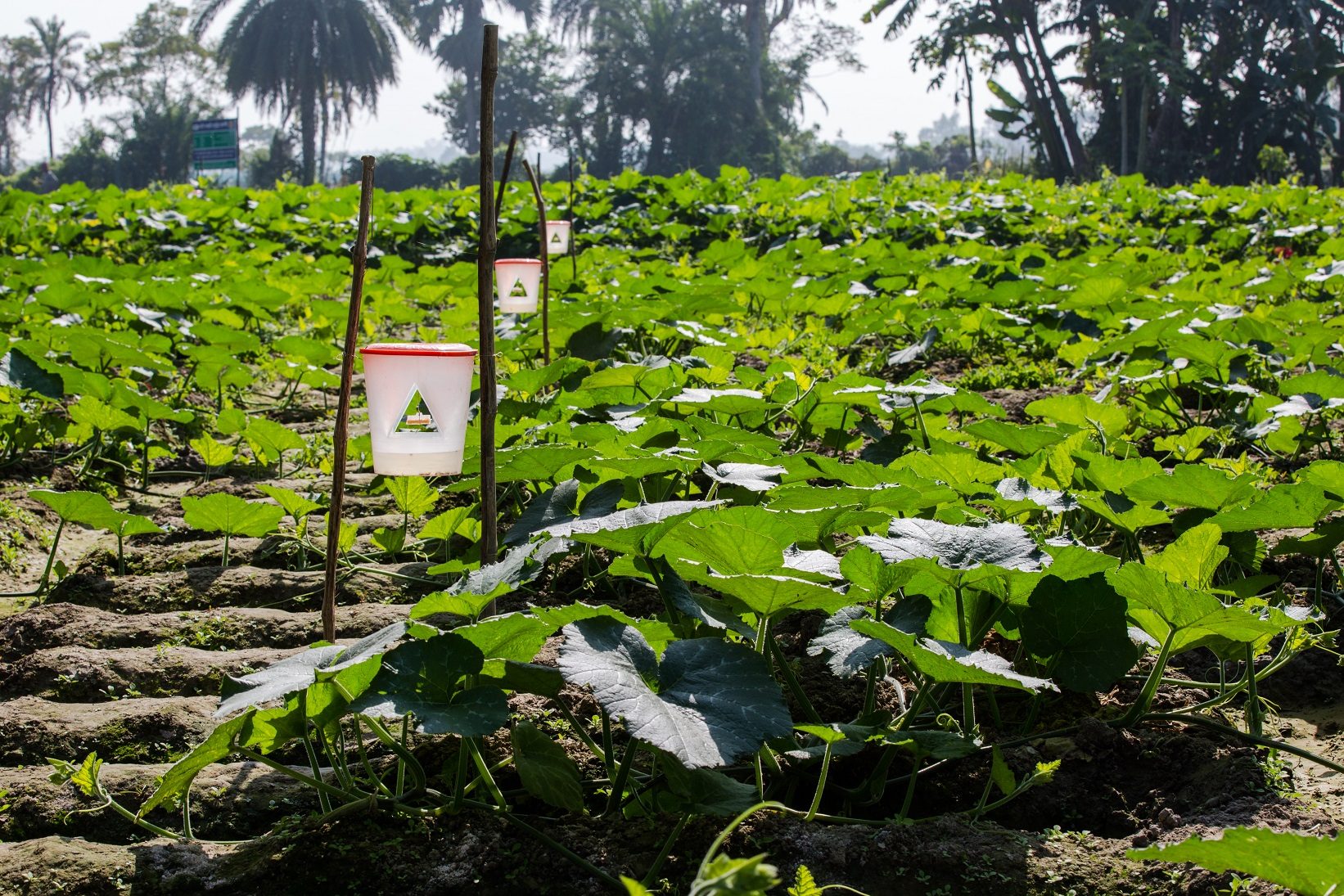
The RMTP is promoting ecological farming technology for vegetable cultivation. The project farmers have received orientation on Good Agricultural Practices (GAP), the use of organic pesticides, and organic fertilizers. Additionally, they have been trained to produce safe saplings using coco-media. According to the farmers, adopting ecological farming technology has reduced production costs compared to using chemical fertilizers, resulting in higher profitability than traditional (chemical-based) farming methods.

Vegetables grown through ecological farming are sold at premium prices due to increasing consumer health consciousness. Various supermarkets and safe food outlets are now demanding these safe vegetables. The project reports that farmers are cultivating a range of vegetables—such as brinjal, bottle gourd, cucumber, tomato, papaya, cauliflower, squash, chili, and sweet gourd—on an average 1.41-acre plots using ecological farming technology.

Currently, approximately 87,000 farmers are involved in cultivating safe vegetables on 30,000 hectares of land. An interim evaluation indicates that 65% of these farmers have increased their income by 40% through eco-friendly farming practices.